
The Curious Case of Dr. Seuss’ Oobleck: A Culinary Adventure in Non-Newtonian Fluids
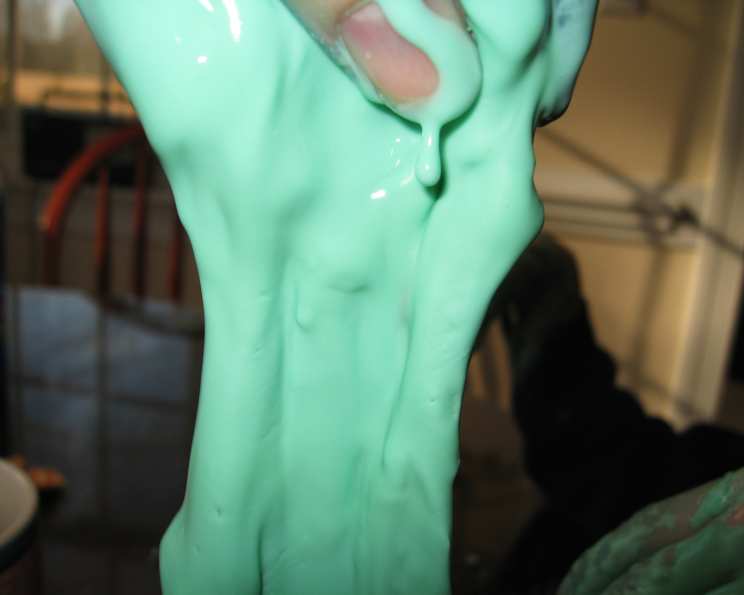
My first encounter with Oobleck wasn’t in a kitchen, but rather on a rainy Saturday afternoon in my childhood living room. My mom, bless her heart, decided to unleash this sensory experiment upon my unsuspecting self and my younger brother. I remember the initial hesitation, the tentative poke, and then the utter fascination as I realized this was unlike anything I had ever touched. It was solid and liquid, resistant and yielding, all at the same time. It was, in a word, magical. While definitely not something you’d want to slather on toast, Oobleck sparked a lifelong love of science and food, proving that the best culinary experiences aren’t always edible.
Recipe Overview
- Prep Time: 5 minutes
- Cook Time: 0 minutes
- Total Time: 5 minutes
- Yields: 4 cups
- Dietary Type: Non-Edible Science Experiment
Ingredients
- 2 cups cornstarch
- 3 drops food coloring
- 1 cup water
Equipment Needed
- Medium-sized bowl
- Mixing spoon or whisk
- Various utensils for playing (cups, spoons, bowls, etc.)
Instructions
- In a medium-sized bowl, pour in 2 cups of cornstarch.
- Add 3 drops of food coloring to the 1 cup of water. You can choose any color you like; green, like the Oobleck in the book, is always a fun choice!
- Slowly pour the colored water into the bowl with the cornstarch. Mix the ingredients together. Add the water gradually, as you may not need the entire cup.
- Continue mixing until the mixture reaches the right consistency. It should feel like a liquid when you gently stir it, but become solid when you apply pressure. If it’s too thick, add a tiny bit more water. If it’s too runny, add a bit more cornstarch.
Expert Tips & Tricks
- Achieving the Perfect Consistency: The key to great Oobleck is the ratio of cornstarch to water. Add the water slowly and mix continuously. You’re aiming for a non-Newtonian fluid – a substance that changes its viscosity under stress.
- Experiment with Colors: Don’t be afraid to use different food coloring! You could even divide the Oobleck into separate bowls and make a rainbow of colors.
- Sensory Play: Provide a variety of utensils like spoons, cups, cookie cutters, and even toy cars for children to experiment with the Oobleck. The possibilities are endless!
- Clean Up is Key: Oobleck can get messy, so protect your work surface with a tablecloth or newspaper. Have a bowl of clean water nearby for easy hand washing.
- Troubleshooting: If your Oobleck is too hard, add a little more water, a tablespoon at a time, until you reach the desired consistency. If it’s too runny, add more cornstarch, one tablespoon at a time.
Serving & Storage Suggestions
Oobleck isn’t for eating, it’s for playing! Set it out in a designated play area with various tools and containers.
- Storage: Store Oobleck in an airtight container or a sealed plastic bag. It will eventually separate, but you can rehydrate it with a little water and remix.
- Lifespan: Oobleck can last for several days if stored properly. However, if it starts to develop mold or an unpleasant odor, it’s best to discard it.
- Disposal: Do NOT pour Oobleck down the drain! It can clog your pipes. The best way to dispose of Oobleck is to let it dry completely. Once it’s dry, it turns back into cornstarch powder, which can be swept up and thrown away.
Nutritional Information
Since Oobleck is non-edible, there is no nutritional value. However, its educational and entertainment value is immeasurable!
| Nutrient | Amount per Serving | % Daily Value |
|---|---|---|
| Calories | 0 kcal | 0% |
| Total Fat | 0g | 0% |
| Saturated Fat | 0g | 0% |
| Cholesterol | 0mg | 0% |
| Sodium | 0mg | 0% |
| Total Carbohydrate | 0g | 0% |
| Dietary Fiber | 0g | 0% |
| Sugars | 0g | 0% |
| Protein | 0g | 0% |
Variations & Substitutions
- Scented Oobleck: Add a few drops of essential oil (like lavender or lemon) to the water for a scented sensory experience. Be sure the essential oils are safe for children.
- Glitter Oobleck: Mix in some fine glitter for extra sparkle and visual appeal.
- Themed Oobleck: Create Oobleck that matches a particular theme, such as Halloween (orange Oobleck with plastic spiders) or Christmas (red and green Oobleck with jingle bells).
- Edible Oobleck (Use Caution): While this recipe isn’t edible, versions using things like tapioca starch and juice or sweet condensed milk exist. However, always carefully research and supervise edible versions, especially when working with young children.
FAQs (Frequently Asked Questions)
Q: What is Oobleck?
A: Oobleck is a non-Newtonian fluid made from cornstarch and water. It acts like a solid when pressure is applied and a liquid when it’s not.
Q: Is Oobleck safe for children to play with?
A: Yes, Oobleck is generally safe for children as long as they don’t eat it. Supervise young children to prevent them from putting it in their mouths.
Q: How do I clean up Oobleck?
A: Let the Oobleck dry completely, then sweep up the cornstarch powder. Avoid pouring it down the drain as it can cause clogs.
Q: Can I store Oobleck for later use?
A: Yes, store Oobleck in an airtight container or sealed plastic bag. You may need to add a little water to rehydrate it when you want to play with it again.
Q: What can I do with Oobleck?
A: The possibilities are endless! You can punch it, squeeze it, roll it into balls, let it drip through your fingers, or experiment with different tools and containers.
Final Thoughts
Dr. Seuss’ Oobleck isn’t just a fun activity; it’s a doorway to understanding fascinating scientific principles in a hands-on way. It sparks curiosity, encourages experimentation, and provides hours of entertainment. So gather your cornstarch, water, and food coloring, and prepare to be amazed by this simple yet captivating concoction. It’s a fantastic way to spend an afternoon with kids of all ages, and it might just inspire a lifelong love of science and culinary exploration! Share your Oobleck creations and experiences – and remember, the mess is part of the fun!