
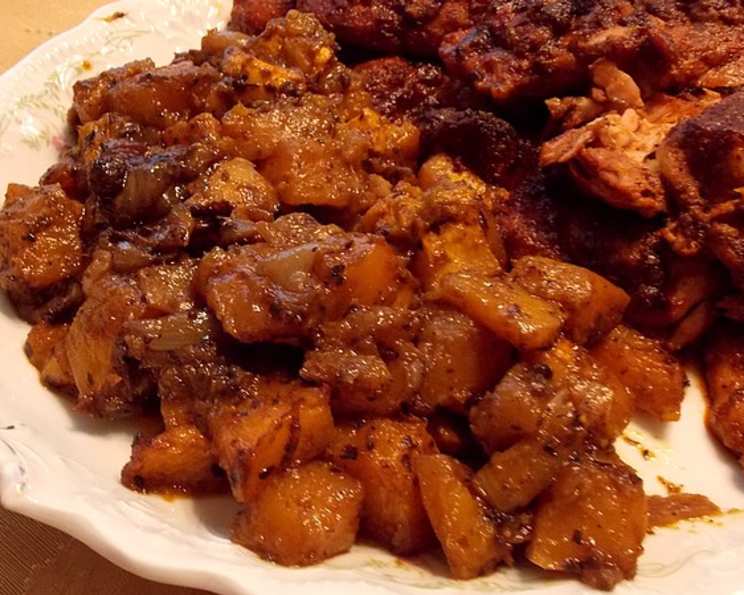
Duba Wot: A Taste of Ethiopia in Every Bite
The aroma alone transports me back to a tiny, bustling kitchen in Addis Ababa. I remember the vibrant colors of the spices lining the shelves, the rhythmic chop-chop-chop of vegetables being prepared, and the warmth of the cook’s smile as she shared the secrets of her family’s duba wot recipe. This dish, a comforting stew of butternut squash simmered in fragrant berbere spice, isn’t just food; it’s a story of tradition, resilience, and the joy of sharing a meal with loved ones. It’s a memory I cherish, and a flavor I’m thrilled to bring to your table.
Recipe Overview
- Prep Time: 15 minutes
- Cook Time: 45 minutes
- Total Time: 1 hour
- Servings: 4
- Dietary Type: Vegan
Ingredients
- 1 lb butternut squash or 1 lb pumpkin, peeled, seeded, cut in bite-sized pieces
- ½ cup onion, chopped
- 2 tablespoons olive oil
- ½ tablespoon berbere
- ⅔ teaspoon cumin powder
- ⅔ teaspoon dried basil
Equipment Needed
- Large pot or Dutch oven
- Cutting board
- Knife
- Measuring cups and spoons
Instructions
- Begin by preparing your ingredients. Peel, seed, and cut the butternut squash (or pumpkin) into bite-sized pieces. Chop the onion.
- In a large pot or Dutch oven, heat the olive oil over medium heat.
- Add the chopped onion to the pot and sauté until softened, about 5-7 minutes.
- Add a little water (about 2 tablespoons) to prevent sticking, then stir in the berbere. Cook for 2 minutes, stirring constantly to release the fragrance and prevent burning. The mixture will form a thick paste.
- Add the squash cubes to the pot and stir well to coat them evenly with the berbere mixture.
- Add water to the pot until it reaches about ¾ of the way up the squash cubes. The water shouldn’t completely cover the squash; this will allow it to steam and maintain its texture.
- Bring the mixture to a simmer, then reduce the heat to low, cover the pot, and cook until the squash is tender, about 30-40 minutes. Stir every 5 minutes to ensure even cooking and prevent sticking. Check for doneness by piercing a piece of squash with a fork; it should be easily pierced with minimal resistance.
- Once the squash is tender, stir in the cumin powder and dried basil.
- Stir well to combine all the ingredients. Simmer for another 2-3 minutes to allow the flavors to meld together.
- Remove from heat and serve hot.
Expert Tips & Tricks
- Spice it Up: Berbere spice blends can vary in heat level. Taste your berbere before adding it to the dish and adjust the amount accordingly to your preference. You can always add more, but you can’t take it away!
- Adjusting the Texture: If the sauce is too thin, remove the lid during the last 10 minutes of cooking to allow some of the liquid to evaporate. If the sauce is too thick, add a little more water.
- Onion Expertise: For a sweeter, more caramelized onion flavor, cook the onions over low heat for a longer period (10-15 minutes) before adding the berbere. Just be careful not to burn them.
- Make Ahead: This duba wot can be made a day or two in advance. The flavors actually intensify as it sits. Store it in an airtight container in the refrigerator and reheat gently on the stovetop or in the microwave before serving.
- Don’t Overcook the Squash: Nobody likes mushy squash. Keep a close eye on it while it’s simmering and test for doneness frequently to avoid overcooking. You want it tender, but still holding its shape.
Serving & Storage Suggestions
Serve duba wot hot, traditionally with injera, a spongy flatbread that acts as both plate and utensil in Ethiopian cuisine. You can also serve it with rice, quinoa, or couscous. Garnish with a sprinkle of fresh cilantro or parsley for added color and freshness.
Leftovers can be stored in an airtight container in the refrigerator for up to 3-4 days. Reheat gently on the stovetop or in the microwave until heated through. You can also freeze duba wot for longer storage (up to 2-3 months). Thaw completely in the refrigerator before reheating.
Nutritional Information
| Nutrient | Amount per Serving | % Daily Value |
|---|---|---|
| Calories | 185 kcal | 9% |
| Total Fat | 8g | 12% |
| Saturated Fat | 1g | 5% |
| Cholesterol | 0mg | 0% |
| Sodium | 15mg | 1% |
| Total Carbohydrate | 28g | 9% |
| Dietary Fiber | 5g | 20% |
| Sugars | 7g | |
| Protein | 3g | 6% |
Nutritional information is an estimate and may vary based on specific ingredients and cooking methods.
Variations & Substitutions
- Sweet Potato Variation: Substitute sweet potato for butternut squash or pumpkin for a slightly sweeter flavor.
- Spicier Version: Add a pinch of cayenne pepper or a chopped jalapeño to the onions while sautéing for a spicier kick.
- Coconut Milk: For a richer, creamier duba wot, replace some of the water with coconut milk. Start with ½ cup and add more as needed to reach your desired consistency.
- Other Vegetables: Add other vegetables like carrots, potatoes, or zucchini to the stew for added nutrition and flavor.
- Lentils: For a heartier meal, add a cup of red lentils to the pot along with the squash. Increase the cooking time as needed until the lentils are tender.
- Berbere Substitute: If you can’t find berbere, you can make your own blend using paprika, chili powder, garlic powder, ginger, coriander, cumin, and other spices. There are many recipes online.
FAQs (Frequently Asked Questions)
Q: What is berbere?
A: Berbere is a spice blend central to Ethiopian cuisine. It typically includes chili peppers, garlic, ginger, basil, korarima, rue, ajwain or radhuni, and fenugreek.
Q: Can I use pre-cut squash to save time?
A: Yes, you can definitely use pre-cut squash. Just make sure it’s fresh and doesn’t have any signs of spoilage.
Q: How do I know if the squash is cooked enough?
A: The squash is done when it is easily pierced with a fork and has a tender, slightly yielding texture.
Q: Can I make this in a slow cooker?
A: Yes, you can adapt this recipe for a slow cooker. Sauté the onions and spices on the stovetop first, then transfer everything to the slow cooker. Cook on low for 6-8 hours or on high for 3-4 hours, or until the squash is tender.
Q: What is injera, and where can I find it?
A: Injera is a spongy, slightly sour flatbread made from teff flour, a grain native to Ethiopia. You can often find injera at Ethiopian restaurants or specialty food stores. You can also find recipes online to make your own!
Final Thoughts
Duba wot is more than just a recipe; it’s a cultural experience. It’s a chance to explore new flavors, learn about a different cuisine, and connect with a rich culinary tradition. I encourage you to give this recipe a try, experiment with different variations, and share your creations with family and friends. Serve it alongside some homemade injera and Ethiopian coffee for an authentic experience. Enjoy the journey, and don’t be afraid to put your own spin on this classic dish! Afiyet Olsun! (Bon appétit!)