
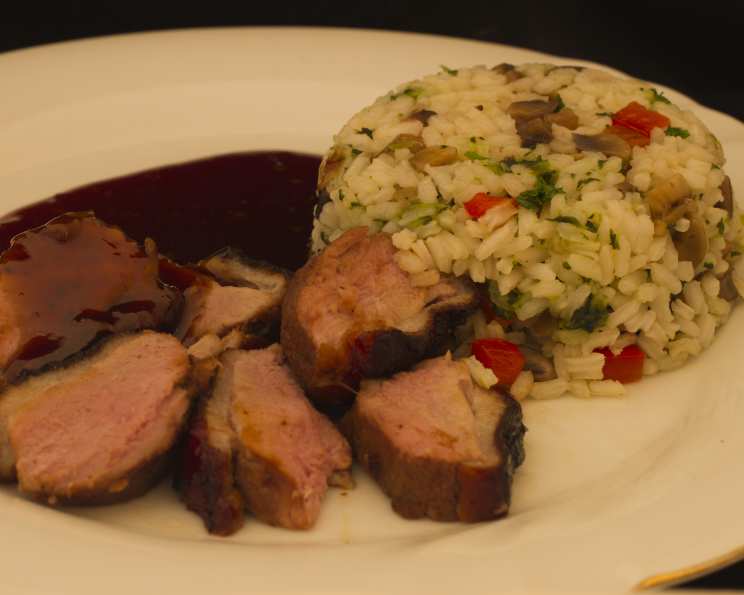
Duck Breast With Asian Sauce: A Symphony of Flavors
The first time I tasted duck breast prepared with an Asian-inspired sauce was at a small, family-run restaurant in Montreal’s Chinatown. The aroma of soy sauce, ginger, and honey mingled with the savory richness of the duck, creating an intoxicating scent that drew me in from the street. As I savored each bite, the crispy skin crackling under my teeth, I knew I had to recreate this culinary magic in my own kitchen. It became a personal challenge, a quest to unlock the secrets of that perfect balance of sweet, savory, and umami that danced on my palate.
Recipe Overview
- Prep Time: 20 minutes
- Cook Time: 35 minutes
- Total Time: 55 minutes
- Servings: 2
- Dietary Type: Omnivore
Ingredients
Marinade:
- 2 duck breasts
- 2 tablespoons soy sauce
- 1 tablespoon Worcestershire sauce
- 2 tablespoons rice wine vinegar
- 2 tablespoons hoisin sauce
- 3 tablespoons honey
- 2 garlic cloves, crushed
- 1 1/2 teaspoons fresh ginger, grated
- 1/4 teaspoon Chinese five spice powder
Sauce:
- Reserved marinade
- 2 tablespoons hoisin sauce (extra)
- 1 tablespoon honey (extra)
- 1 teaspoon cornflour
Serve with either:
Rice Timbales Ingredients:
- 1/2 cup white rice
- 20 g butter
- 3-4 mushrooms, chopped into small pieces
- 1/2 small red pepper, chopped fine
- 2 teaspoons fresh coriander, finely chopped
- 1 tablespoon fresh chives, chopped
OR
Vegetable Noodle Ingredients:
- Olive oil
- 1 large carrot, chopped into strips
- 100 g snow peas, chopped
- 100 g egg noodles
- 1 garlic clove, crushed
- 1 teaspoon fresh ginger, grated
- 3 teaspoons soy sauce
- 1 1/2 tablespoons hoisin sauce
- 2 tablespoons water
Equipment Needed
- Fry pan
- Wire rack
- Oven
- Saucepan
- Two small moulds (for rice timbales, optional)
- Wok or large fry pan (for vegetable noodles, optional)
Instructions
-
Combine all the marinade ingredients in a bowl and add the duck breasts. Ensure the duck is fully coated. Marinate for several hours, or ideally overnight, in the refrigerator. This allows the flavors to penetrate the meat, creating a deeper, more complex taste.
-
Remove the duck from the marinade, reserving the marinade for later use. Prick the skin of the duck breasts all over with a fork or sharp knife. This helps to render the fat during cooking, resulting in a beautifully crispy skin. Be careful not to pierce the meat itself.
-
Heat a fry pan over medium-high heat. Add the duck breasts, skin side down, to the hot pan. Cook until the skin is browned and crisp. This process will release a significant amount of fat from the duck. Drain the excess fat from the pan several times during cooking to prevent it from splattering and to ensure the skin crisps properly. This step typically takes about 8-10 minutes.
-
Remove the duck from the pan and place it on a wire rack, breast side down. This allows the rendered fat to drip away, further enhancing the crispiness of the skin.
-
Place the wire rack with the duck in a preheated oven at 190°C (375°F) for 25 minutes. This will cook the duck to a perfect medium-rare to medium doneness. For a more well-done duck, cook for a few minutes longer.
-
Remove the duck from the oven and let it rest for 5 minutes before slicing. This allows the juices to redistribute throughout the meat, resulting in a more tender and flavorful final product.
-
While the duck is cooking, prepare the sauce. In a saucepan, combine the reserved marinade, the extra hoisin sauce, and the extra honey. Bring the mixture to a boil, then reduce the heat to a simmer.
-
In a small bowl, mix the cornflour with a little cold water to create a slurry. This prevents lumps from forming when added to the hot sauce.
-
Add the cornflour slurry to the simmering sauce and stir continuously until the mixture thickens. This will typically take about 1-2 minutes.
-
Slice the duck breast and serve immediately with either rice timbales or vegetables and noodles, drizzled generously with the Asian sauce.
To serve with Rice Timbales:
-
Boil some water in a pan, add the rice, and boil until tender. Drain well.
-
Melt the butter in a fry pan. Add the chopped mushrooms and red pepper and cook until soft.
-
Add the chopped herbs and rice to the pan and stir until heated through.
-
Butter the inside of two small moulds and press the rice mixture into them. Leave them for 5 minutes before turning them out onto serving plates. Alternatively, you can make these ahead of time and simply reheat them in the microwave before serving.
OR
To serve with Vegetable Noodles:
-
Cook the egg noodles in a pan of boiling water until tender. Drain and set aside.
-
Heat a little olive oil in a fry pan or wok. Add the crushed garlic and grated ginger and stir-fry for about 1 minute until fragrant.
-
Add the carrot strips and cook for another minute.
-
Add the soy sauce, hoisin sauce, and water to the pan and cook for a couple of minutes more.
-
Add the snow peas and cook until the vegetables are just tender.
-
Add the cooked noodles to the pan and stir until heated through and well coated with the sauce.
Expert Tips & Tricks
- For extra crispy duck skin, after pricking the skin, you can leave the duck breasts uncovered in the refrigerator overnight. This helps to dry out the skin, which will then crisp up more easily when cooked.
- If you don’t have rice wine vinegar, you can substitute apple cider vinegar or white wine vinegar.
- Adjust the amount of honey in the sauce to your personal preference. If you prefer a less sweet sauce, reduce the amount of honey.
- Don’t overcrowd the pan when cooking the duck skin-side down. If necessary, cook the duck breasts in batches to ensure they brown evenly.
- To ensure the duck is cooked to your desired doneness, use a meat thermometer. The internal temperature for medium-rare is 54-57°C (130-135°F), and for medium, it’s 60-63°C (140-145°F).
Serving & Storage Suggestions
Serve the sliced duck breast hot, immediately after cooking, with your choice of rice timbales or vegetable noodles. Garnish with extra fresh coriander or chives for a pop of color and freshness. Leftover duck breast can be stored in an airtight container in the refrigerator for up to 3 days. Reheat gently in a pan or microwave until warmed through. Reheating may affect the crispness of the skin. The sauce can also be stored separately in the refrigerator for up to 3 days.
Nutritional Information
| Nutrient | Amount per Serving | % Daily Value |
|---|---|---|
| Calories | 613.8 kcal | N/A |
| Calories from Fat | 346 g | 28% |
| Total Fat | 38.5 g | 59% |
| Saturated Fat | 13.1 g | 65% |
| Cholesterol | 391.1 mg | 130% |
| Sodium | 2620.8 mg | 109% |
| Total Carbohydrate | 142.7 g | 47% |
| Dietary Fiber | 7.7 g | 30% |
| Sugars | 53.9 g | 215% |
| Protein | 76.8 g | 153% |
Note: Nutritional information is an estimate and may vary based on specific ingredients and cooking methods.
Variations & Substitutions
- For a spicier sauce, add a pinch of red pepper flakes or a dash of sriracha to the sauce.
- If you’re gluten-free, use tamari instead of soy sauce. Ensure your hoisin sauce is also gluten-free.
- For a richer sauce, add a tablespoon of butter or sesame oil.
- Instead of vegetable noodles, you can serve the duck with a simple stir-fry of your favorite vegetables.
- You can also use other cuts of duck, such as duck legs or duck wings, but adjust the cooking time accordingly.
FAQs (Frequently Asked Questions):
Q: Can I marinate the duck for longer than overnight?
A: Yes, you can marinate the duck for up to 24 hours for an even more intense flavor. Just ensure it’s properly refrigerated.
Q: What is Chinese five spice powder?
A: Chinese five spice powder is a blend of five spices: star anise, cloves, cinnamon, Sichuan peppercorns, and fennel seeds, adding warmth and depth to the marinade.
Q: How do I know when the duck is cooked to the right doneness?
A: Use a meat thermometer to check the internal temperature. Medium-rare is 54-57°C (130-135°F), and medium is 60-63°C (140-145°F).
Q: Can I use a different type of noodle for the vegetable noodle dish?
A: Absolutely! Feel free to use your favorite type of noodle, such as ramen noodles, udon noodles, or even soba noodles.
Q: What if I don’t have rice wine vinegar?
A: Apple cider vinegar or white wine vinegar can be used as a substitute, although the flavor profile might be slightly different.
Final Thoughts
Now it’s your turn to embark on this culinary adventure! This Duck Breast with Asian Sauce recipe is a delightful dance of textures and tastes, perfect for a special occasion or a weeknight treat. Don’t be afraid to experiment with the ingredients and adjust the flavors to your liking. I’d love to hear your feedback and see your creations – share your thoughts and photos! Consider pairing this dish with a crisp Riesling or a light Pinot Noir for a truly unforgettable dining experience.