
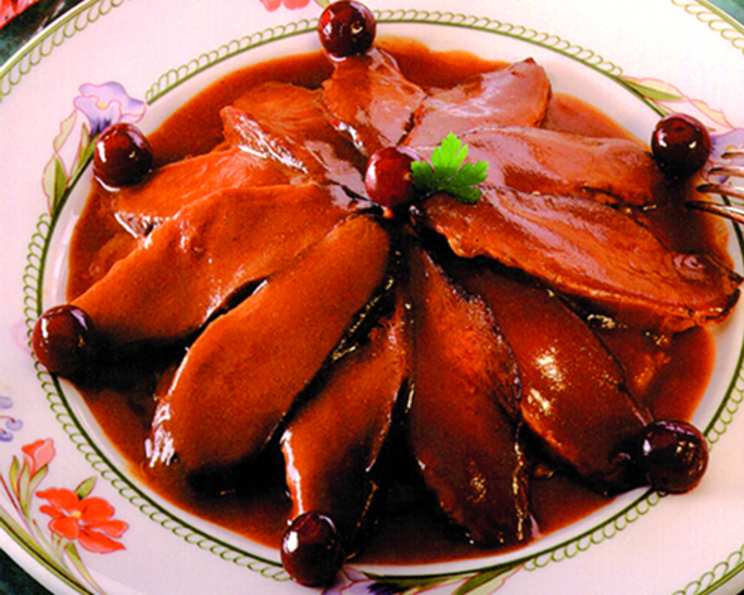
Duck Breast With Griottines: A Culinary Symphony
The first time I tasted duck breast with cherries, I was a wide-eyed culinary student in France. The richness of the duck, perfectly seared and subtly gamey, was unexpectedly lifted by the bright, tart cherries, creating a flavor explosion that danced on my palate. It was more than just a meal; it was an experience that ignited my passion for the art of balancing flavors and textures. To this day, that memory fuels my love for this classic dish.
Recipe Overview
- Prep Time: 10 minutes
- Cook Time: 25 minutes
- Total Time: 35 minutes
- Servings: 2
- Dietary Type: Omnivore
Ingredients
- 600 g duck breast fillets, about 2
- 250 g sour cherries (Griottines)
- 5 cl sherry vinegar
- 2 tablespoons cherry brandy
- 2 sprigs tarragon
- Salt and pepper
Equipment Needed
- Heavy-bottomed frying pan
- Plate
- Aluminum foil
Instructions
-
Begin by preparing the duck breasts. Using a sharp knife, carefully score the skin in a crosshatch pattern, being careful not to cut into the flesh. This allows the fat to render properly and ensures crispy skin.
-
Place a heavy-bottomed frying pan over medium heat. There’s no need to add any oil, as the duck will render its own fat.
-
Place the duck breasts in the pan, skin side down. Cook for approximately 8 minutes, allowing the skin to become golden brown and crispy. Listen for the sizzle and watch the color deepen.
-
Turn the duck breasts over gently, being careful not to pierce the skin, and cook for another 6 minutes. This will cook the duck to a perfect medium-rare, but adjust the time depending on your desired level of doneness.
-
Season the duck breasts generously with salt and pepper. The salt will help to further crisp the skin and enhance the natural flavors of the duck.
-
Remove the duck breasts from the pan and place them on a plate. Cover them loosely with aluminum foil to keep them warm while you prepare the cherry sauce. Resting the duck allows the juices to redistribute, resulting in a more tender and flavorful final product.
-
Discard the excess duck fat from the frying pan, leaving just a tablespoon or two for flavor. Be sure to save the rendered duck fat for other culinary uses, like roasting potatoes or vegetables.
-
Return the pan to high heat. Pour in the sherry vinegar and bring it to a boil. Reduce the vinegar for about 1 minute, until it thickens slightly and becomes syrupy. This reduction will concentrate the flavors and create a beautiful base for the sauce.
-
Add the cherry brandy to the pan and let it briefly flame off, further intensifying the flavor.
-
Carefully add the Griottines (sour cherries) to the pan. Cook for about 5 minutes on low heat, shaking the pan from time to time to move the fruit without damaging them. The cherries will plump up and release their juices, creating a luscious sauce.
-
Return the duck breasts to the pan, along with any accumulated cooking juices from the plate. This step is crucial for infusing the duck with the cherry flavor and ensuring it remains moist and succulent.
-
Reheat the duck breasts with the cherries for 2 to 3 minutes, turning them occasionally to coat them evenly with the sauce.
-
Remove the duck breasts from the pan and place them on a cutting board. Slice them thinly against the grain.
-
Arrange the sliced duck breasts on warm plates. Spoon the Griottines and cherry sauce over the duck.
-
Sprinkle with freshly chopped tarragon and serve immediately. Consider accompanying it with a small herb salad garnished with croutons and lardons for a complete and balanced meal.
Expert Tips & Tricks
- Achieving Crispy Skin: Scoring the skin is essential for crispy duck. Make sure your knife is very sharp and be careful not to cut into the flesh.
- Rendering the Fat: Don’t rush the rendering process. Low and slow is key to rendering the fat properly and achieving crispy skin.
- Doneness: Duck breast is best served medium-rare. Use a meat thermometer to ensure it reaches an internal temperature of 130-135°F (54-57°C).
- Saving Duck Fat: Save the rendered duck fat for roasting potatoes, vegetables, or making confit.
- If Griottines are unavailable: Substitute with high quality, pitted sour cherries in syrup. You may need to adjust the amount of cherry brandy added depending on the sweetness of your cherry product.
Serving & Storage Suggestions
Serve the duck breast with Griottines immediately for the best flavor and texture. The warm duck and vibrant cherry sauce are a delight. For a complete meal, consider serving it with a side of wild rice, roasted vegetables, or a simple green salad.
Leftovers can be stored in an airtight container in the refrigerator for up to 2 days. Reheat gently in a pan over low heat, or in the microwave. Be careful not to overcook the duck. The duck is best consumed freshly prepared. The cherry sauce can be made a day in advance and stored separately.
Nutritional Information
| Nutrient | Amount per Serving | % Daily Value |
|---|---|---|
| Calories | 650 kcal | 33% |
| Total Fat | 40g | 62% |
| Saturated Fat | 15g | 75% |
| Cholesterol | 200mg | 67% |
| Sodium | 300mg | 13% |
| Total Carbohydrate | 30g | 10% |
| Dietary Fiber | 2g | 7% |
| Sugars | 20g | N/A |
| Protein | 50g | 100% |
Note: Nutritional information is an estimate and can vary based on specific ingredients and portion sizes.
Variations & Substitutions
- Other Fruit: If sour cherries aren’t available, try using fresh or frozen raspberries, blackberries, or even figs.
- Wine Reduction: Substitute sherry vinegar with a dry red wine for a deeper, richer flavor.
- Spice it Up: Add a pinch of red pepper flakes to the cherry sauce for a touch of heat.
- Herb Alternatives: If tarragon isn’t your favorite, try using thyme or rosemary for a different herbal note.
- Balsamic Glaze: Drizzle with a balsamic glaze instead of the cherry brandy reduction for a tangy-sweet contrast.
FAQs (Frequently Asked Questions)
Q: How do I know when the duck breast is cooked perfectly?
A: Use a meat thermometer. For medium-rare, aim for an internal temperature of 130-135°F (54-57°C). Remember to let the duck rest after cooking, as the internal temperature will continue to rise slightly.
Q: Can I use frozen sour cherries instead of Griottines?
A: Yes, you can. Thaw them completely before using. You may need to adjust the cooking time slightly, as frozen cherries tend to release more liquid.
Q: What’s the best way to score the duck skin without cutting into the flesh?
A: Use a sharp knife and apply gentle pressure. The goal is to cut through the skin and fat layer without penetrating the meat.
Q: Can I make the cherry sauce ahead of time?
A: Yes, the cherry sauce can be made a day in advance and stored in the refrigerator. Reheat gently before serving.
Q: What side dishes pair well with duck breast and Griottines?
A: Roasted root vegetables, wild rice pilaf, or a simple green salad are all excellent choices. The richness of the duck is balanced well by slightly acidic or bitter flavors.
Final Thoughts
This Duck Breast With Griottines recipe is more than just a dish; it’s an invitation to experience the harmony of flavors and textures that elevates simple ingredients into a culinary masterpiece. Don’t be intimidated by the seemingly complex steps. Each stage is straightforward, and the end result is well worth the effort. So, gather your ingredients, put on your apron, and prepare to transport yourself (and your guests!) to a delightful culinary realm. And, when you’ve created your own masterpiece, be sure to share your experience – feedback is always welcomed, and perhaps inspire others to embark on their own culinary journey. Consider pairing it with a crisp Pinot Noir or a fruity Beaujolais to enhance the experience. Bon appétit!