
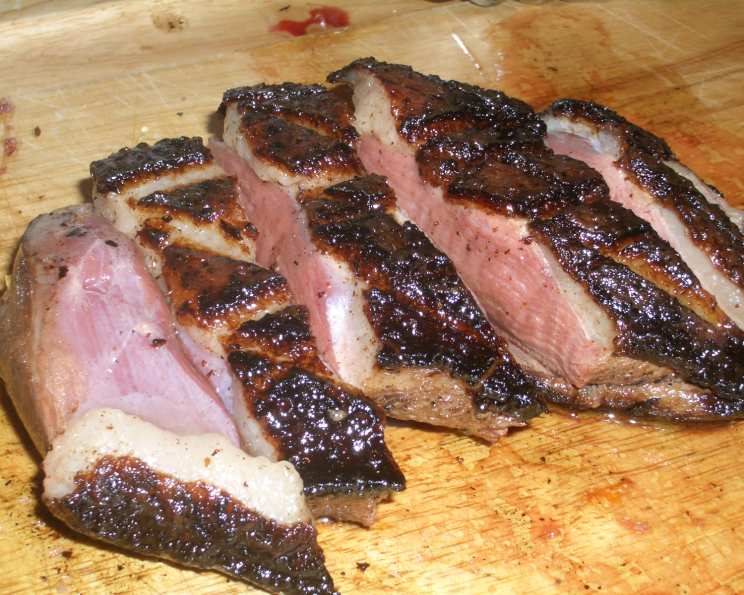
Duck in Red Wine: A Culinary Love Affair
My first encounter with duck in red wine was in a small, family-run bistro nestled in the heart of the French countryside. The aroma alone, a symphony of rich wine, savory duck, and subtle spices, was enough to transport me to a place of pure culinary bliss. The tender, succulent duck, infused with the deep, fruity notes of the wine, was a revelation—a dish that spoke of passion, tradition, and the simple joys of good food shared with loved ones. This recipe attempts to capture that magic, bringing a touch of French elegance to your own kitchen.
Recipe Overview
- Prep Time: 1 hour (plus marinating time)
- Cook Time: 10-15 minutes
- Total Time: 1 hour 15 minutes (plus marinating time)
- Servings: 4
- Dietary Type: Not specified
Ingredients
- 1/2 cup red wine
- 1 tablespoon chili oil
- 1 tablespoon Worcestershire sauce
- 1 tablespoon soy sauce
- Juice of 1 orange
- Rind of 1 orange, cut into strips
- 4 whole duck breasts, skin and fat removed
- Olive oil
- 2 tablespoons sliced chives, for garnish
Equipment Needed
- Large freezer bag
- Grill, ridged skillet, or heavy flat skillet
Instructions
-
In a large freezer bag, combine the red wine, chili oil, Worcestershire sauce, soy sauce, the juice of one orange, and the strips of orange rind.
-
Mix all ingredients in the bag well. This will ensure the marinade is evenly distributed.
-
Add the duck breasts to the bag.
-
Seal the bag tightly, removing as much air as possible, and mix again to ensure the duck is fully coated in the marinade.
-
Refrigerate the bag for at least 1 hour, or up to 24 hours. The longer the duck marinates, the more flavorful and tender it will become.
-
Remove the duck breasts from the marinade and shake off any excess liquid. Discard the marinade after use.
-
Heat a grill, ridged skillet, or heavy flat skillet over medium-high heat. Lightly coat the cooking surface with olive oil to prevent sticking.
-
Cook the duck breasts to your desired level of doneness, turning frequently. This will generally take 10 to 15 minutes, depending on the thickness of the breasts and the heat of your cooking surface. For medium-rare, aim for an internal temperature of 130-135°F (54-57°C).
-
If desired, once cooked, the duck breasts can be wrapped in foil and allowed to rest for 10 minutes before serving. This allows the juices to redistribute, resulting in a more tender and flavorful final product.
-
To serve, thinly slice the duck breasts diagonally and arrange them attractively on a serving plate.
-
Pour any accumulated juices from the pan or foil over the sliced duck. This adds extra flavor and moisture.
-
Garnish with sliced chives and serve immediately.
Expert Tips & Tricks
- Marinating Time: Don’t skimp on the marinating time. Even an hour makes a significant difference. For the most intense flavor, marinate the duck overnight.
- Achieving Perfect Doneness: Use a meat thermometer to ensure the duck is cooked to your preferred doneness. Duck is best served medium-rare to medium for optimal tenderness.
- Searing for Flavor: Ensure your skillet or grill is hot before adding the duck breasts. A good sear creates a flavorful crust that enhances the overall taste of the dish.
- Resting the Meat: Resting the duck after cooking is crucial. It allows the juices to redistribute, resulting in a more tender and succulent final product. Cover loosely with foil to keep warm without steaming.
- Pan Sauce Boost: For an even richer flavor, deglaze the pan with a little extra red wine after cooking the duck. Scrape up any browned bits from the bottom of the pan and simmer until the sauce thickens slightly. Drizzle this over the sliced duck before serving.
Serving & Storage Suggestions
Serve the sliced duck immediately after cooking for the best flavor and texture. It pairs beautifully with a variety of side dishes, such as roasted vegetables (asparagus, potatoes, carrots), creamy polenta, or a simple green salad. A dry red wine, such as Pinot Noir or Cabernet Sauvignon, complements the dish perfectly.
Leftover duck can be stored in an airtight container in the refrigerator for up to 3 days. To reheat, gently warm the sliced duck in a skillet over low heat or in a microwave. Avoid overcooking, as this can dry out the meat. It is generally not recommended to freeze cooked duck breast, as this can affect the texture.
Nutritional Information
| Nutrient | Amount per Serving | % Daily Value |
|---|---|---|
| Calories | 350 kcal | N/A |
| Calories from Fat | 156 g | 45% |
| Total Fat | 17.4 g | 26% |
| Saturated Fat | 4.7 g | 23% |
| Cholesterol | 217.6 mg | 72% |
| Sodium | 330.7 mg | 13% |
| Total Carbohydrate | 2.8 g | 0% |
| Dietary Fiber | 0.1 g | 0% |
| Sugars | 1.7 g | 6% |
| Protein | 39.7 g | 79% |
Note: Nutritional information is an estimate and may vary based on specific ingredients and portion sizes.
Variations & Substitutions
- Spice Level: Adjust the amount of chili oil to control the level of spice. For a milder flavor, use a regular olive oil or omit the chili oil altogether.
- Citrus Twist: Experiment with different citrus fruits, such as lemon or grapefruit, in place of the orange.
- Herb Infusion: Add fresh herbs, such as thyme or rosemary, to the marinade for an extra layer of flavor.
- Sweetness: A touch of honey or maple syrup can be added to the marinade for a sweeter profile. Adjust the amount to your preference.
- Alternative Protein: Chicken breasts can be substituted for duck breasts, though the cooking time may need to be adjusted accordingly.
FAQs (Frequently Asked Questions)
Q: Can I use frozen duck breasts for this recipe?
A: Yes, but be sure to thaw them completely in the refrigerator before marinating. This will ensure that the marinade penetrates the meat evenly.
Q: What if I don’t have chili oil?
A: You can substitute regular olive oil and add a pinch of red pepper flakes for a touch of heat. Alternatively, you can omit it entirely.
Q: Can I marinate the duck for longer than 24 hours?
A: While it’s generally safe to marinate for longer, the duck may become too soft and mushy if marinated for an extended period (more than 36 hours).
Q: What’s the best way to tell if the duck is cooked to the correct temperature?
A: Use a meat thermometer and insert it into the thickest part of the breast. For medium-rare, aim for 130-135°F (54-57°C).
Q: Can I grill the duck breasts instead of pan-frying them?
A: Absolutely! Grilling adds a lovely smoky flavor. Just be sure to preheat your grill to medium-high heat and lightly oil the grates to prevent sticking.
Final Thoughts
Duck in red wine is a dish that elevates any occasion. It’s a testament to the magic that happens when simple ingredients are combined with care and passion. Don’t be intimidated by the perceived complexity – this recipe is surprisingly easy to execute. So, gather your ingredients, pour yourself a glass of wine, and embark on this culinary adventure. I encourage you to try this recipe and make it your own. Share your experiences and modifications – I’d love to hear how it turns out! Pair it with some crusty bread to soak up that delicious sauce and a crisp green salad. Bon appétit!