
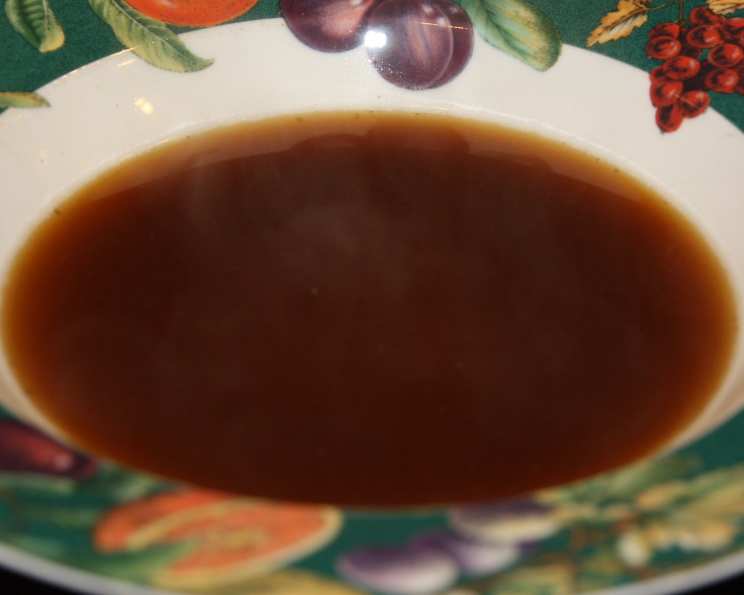
Duck Stock: Save That Carcass!
The first time I roasted a whole duck, I was intimidated. It seemed like such a fancy, restaurant-worthy endeavor. But the aroma that filled my kitchen as it roasted, a rich, savory perfume laced with subtle sweetness, was pure magic. After carving and enjoying the succulent meat, I was left with a carcass that seemed too valuable to simply discard. That’s when I discovered the incredible potential hidden within those bones – the potential for a deeply flavorful, intensely satisfying duck stock. Now, it’s a tradition: duck dinner leads to duck stock, and that stock transforms into the most comforting noodle soup imaginable.
Recipe Overview
- Prep Time: 20 minutes
- Cook Time: 1 hour 30 minutes
- Total Time: 1 hour 50 minutes
- Yields: Approximately 3 cups
- Dietary Type: Generally Paleo and Gluten-Free
Ingredients
- 1 roast duck carcass, including wings and neck
- 1 large onion, peeled and roughly chopped
- 1 large carrot, peeled and roughly chopped
- 2 celery stalks, roughly chopped
- 1 red chili pepper, slit
- 2 garlic cloves
- 4 slices ginger
- 1 star anise
- 2 pieces lime rind, no pith
- 3 coriander sprigs
- ½ teaspoon black peppercorns, lightly crushed
Equipment Needed
- Large Stockpot
- Fine-Mesh Strainer
- Large Bowl
Instructions
- Place the duck carcass, including the wings and neck, into a large stockpot. Add the onion, carrot, celery, red chili pepper, garlic cloves, ginger, star anise, lime rind, coriander sprigs, and black peppercorns to the pot.
- Cover the contents of the pot with approximately 3 liters of water. Ensure the carcass and vegetables are submerged.
- Bring the water to a boil over high heat. Once boiling, immediately reduce the heat to low to maintain a gentle simmer.
- Simmer the stock for 1 ½ hours, gently skimming off any scum or impurities that rise to the surface. This is crucial for achieving a clear and clean-tasting stock. Skimming regularly during the first hour will yield the best results.
- After simmering for 1 ½ hours, strain the stock through a fine-mesh strainer into a large bowl. Press the meat and vegetables gently with the back of a spoon or ladle to extract as much liquid as possible.
- Discard the carcass, vegetables, and spices that remain in the strainer. They have given all their flavor to the stock.
- If you have reserved any meat jelly (rendered duck fat and juices), add it to the strained stock. This adds richness and depth of flavor.
- Return the stock to the cleaned stockpot. Bring it to a boil over medium-high heat.
- Continue to boil the stock until it has reduced to approximately 500-750 ml (2-3 cups). The exact amount will depend on your preference for flavor concentration. Taste frequently as it reduces to determine when the flavor reaches your desired intensity.
- Once the desired flavor is achieved, strain the stock once more through a fine-mesh strainer to remove any remaining solids. This ensures a perfectly smooth stock.
- Allow the stock to cool quickly. This can be done by placing the pot in an ice bath or by transferring the stock to a shallow container.
- Label the cooled stock with the date and contents, then freeze for later use.
Expert Tips & Tricks
- Roasting the Duck First: The depth of flavor in your duck stock is directly related to how well your duck was roasted. Ensure the duck skin is crispy and golden brown for optimal flavor transfer into the stock.
- Don’t Skip the Skimming: Skimming the scum from the surface of the stock is essential for a clear and clean-tasting final product. Be diligent about removing these impurities during the simmering process.
- Ginger and Garlic: Lightly smash the ginger and garlic cloves before adding them to the stock. This releases more of their essential oils and enhances their flavor contribution.
- Reducing for Intensity: Reducing the stock concentrates the flavors, resulting in a richer and more impactful final product. Taste frequently while reducing to ensure it doesn’t become overly salty.
- Fat Removal: While a little duck fat adds richness, too much can make the stock greasy. After cooling, the fat will solidify on the surface and can be easily removed. A fat separator can also be used.
Serving & Storage Suggestions
Duck stock is a fantastic base for soups, stews, sauces, and risotto. It can be used in any recipe that calls for chicken or vegetable stock, adding a unique depth of flavor.
- Storage: Properly cooled and stored, duck stock can last for up to 3-4 days in the refrigerator. For longer storage, freeze the stock in airtight containers or freezer bags for up to 3 months.
- Reheating: Thaw frozen duck stock in the refrigerator overnight before using. Reheat gently in a saucepan over medium heat.
- Serving Suggestions: Use duck stock to create a flavorful duck noodle soup, a rich duck confit gravy, or a delicate duck consommé. It also pairs beautifully with Asian-inspired dishes.
Nutritional Information
Note: Nutritional information is an estimate and can vary based on specific ingredients and portion sizes.
| Nutrient | Amount per Serving (1 cup) | % Daily Value* |
|---|---|---|
| Calories | 30 kcal | 2% |
| Total Fat | 1g | 2% |
| Saturated Fat | 0.3g | 2% |
| Cholesterol | 0mg | 0% |
| Sodium | 50mg | 2% |
| Total Carbohydrate | 3g | 1% |
| Dietary Fiber | 1g | 4% |
| Sugars | 1g | |
| Protein | 2g | 4% |
*Based on a 2,000 calorie diet.
Variations & Substitutions
- Vegetarian Option: While this recipe is for duck stock, you can apply similar principles to making vegetable stock. Roast a variety of vegetables (carrots, onions, celery, mushrooms) to deepen their flavor before simmering them with herbs and spices.
- Spice Variations: Adjust the spices to suit your taste. Try adding a cinnamon stick, cloves, or more chili pepper for a spicier stock.
- Herb Variations: Experiment with different herbs, such as thyme, rosemary, or bay leaf.
FAQs (Frequently Asked Questions)
Q: Do I need to remove all the meat from the carcass before making the stock?
A: No, it’s not necessary to remove every last scrap of meat. The remaining meat will add flavor to the stock during simmering.
Q: Can I use a pressure cooker or Instant Pot to make duck stock?
A: Yes, you can. Reduce the simmering time to approximately 45 minutes under high pressure. Allow for natural pressure release.
Q: How long does duck stock last in the freezer?
A: Duck stock can be stored in the freezer for up to 3 months without significant loss of quality.
Q: Why is my duck stock cloudy?
A: Cloudy stock can be caused by boiling the stock too vigorously or by not skimming off enough scum during simmering. Ensure a gentle simmer and regular skimming for a clear stock.
Q: Can I use duck fat instead of other oils in my cooking?
A: Absolutely! Rendered duck fat is a delicious and flavorful cooking oil that adds richness to potatoes, vegetables, and meats.
Final Thoughts
Making duck stock is a simple yet rewarding way to extract every last bit of flavor from a roasted duck. It transforms a leftover carcass into a culinary treasure, adding depth and complexity to your favorite recipes. Don’t be intimidated – give it a try! Experiment with different spices and herbs to create your own signature duck stock. I hope you enjoy the process and savor the delicious results. Happy cooking!