
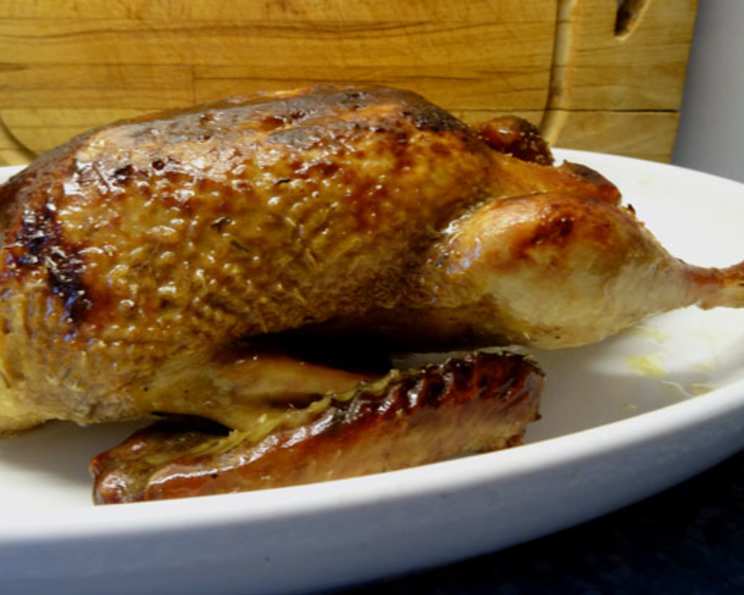
Duckling a L’Orange: A Culinary Symphony of Citrus and Savory
There’s a certain magic that happens when the aroma of roasting duck mingles with the bright, zesty perfume of oranges. I remember the first time I experienced it – not in a professional kitchen, but in my grandmother’s cozy, sun-drenched dining room. She’d meticulously prepare Duckling a L’Orange for special occasions, and the anticipation was almost as delicious as the meal itself. The crisp, mahogany skin of the duck, the tender meat, and that unforgettable sauce… it was pure culinary poetry. This recipe is my humble attempt to recapture that magic and share it with you.
Recipe Overview
- Prep Time: 20 minutes
- Cook Time: 2 hours 30 minutes
- Total Time: 2 hours 50 minutes
- Servings: 2
- Yield: 1 Duck
- Dietary Type: Omnivore
Ingredients
- 1 duck
- 3 tablespoons butter
- 3 tablespoons flour
- 1 1/2 cups canned bouillon
- 1/2 teaspoon thyme
- 1 sprig parsley
- Salt and pepper to taste
- 1/2 cup orange juice concentrate, undiluted
- 3 tablespoons orange zest
- 1 tablespoon lemon juice
- 2 tablespoons Grand Marnier
- 1/2 cup orange sections (optional, for garnish)
Equipment Needed
- Heavy saucepan
- Whisk
- Shallow roasting pan
- Fork
- Oven
Instructions
- Begin by preparing the orange sauce. In a heavy saucepan, melt the butter over medium heat.
- Add the flour to the melted butter, creating a roux. Blend the butter and flour together thoroughly using a whisk, ensuring there are no lumps. Cook the roux over medium heat, stirring constantly, until it turns a light golden color.
- Reduce the heat to low and simmer the roux for several minutes, stirring occasionally. This step is crucial for developing the flavor of the sauce.
- In a separate saucepan, heat the canned bouillon. Once heated, gradually pour the hot bouillon into the roux, whisking continuously to prevent any lumps from forming.
- Continue stirring the sauce over medium heat until it thickens. This usually takes about 5-7 minutes.
- Add the thyme and parsley to the thickened sauce. Reduce the heat to low and simmer for several more minutes, allowing the herbs to infuse their flavors into the sauce. Season with salt and pepper to taste.
- In a separate bowl, combine the undiluted orange juice concentrate, orange zest, and lemon juice. Mix well.
- Pour the orange juice mixture into the brown sauce (the bouillon-roux mixture). Simmer the sauce for 5 minutes, allowing the flavors to meld together beautifully.
- Stir in the Grand Marnier to add a touch of elegance and complexity to the sauce. Set the sauce aside.
- Prepare the duck. Clean the duck thoroughly, removing any excess fat from the cavity. Pat the duck dry with paper towels.
- Preheat your oven to 325ºF (160ºC).
- Place the duck breast side up in a shallow roasting pan.
- Brush the duck with approximately half of the orange glaze you prepared earlier. Make sure to coat the entire surface of the duck evenly.
- Roast the duck uncovered for 2 1/2 hours, pricking the skin with a fork every 30 minutes. This helps to render the fat and create a crispy skin.
- During the roasting process, brush the duck with the remaining orange glaze every 30 minutes. This will build up a beautiful, flavorful coating.
- To check for doneness, insert a meat thermometer into the thickest part of the thigh, avoiding the bone. The internal temperature should reach 165ºF (74ºC).
- If desired, just before serving, add 1/2 cup of orange sections to the sauce. Heat through for a minute or two.
- Carve the duck and serve immediately, drizzled generously with the orange sauce.
Expert Tips & Tricks
- Achieving Crispy Skin: The key to crispy duck skin is to render the fat properly. Pricking the skin frequently during roasting allows the fat to escape. You can also try scoring the skin in a crosshatch pattern before roasting.
- Make-Ahead Sauce: The orange sauce can be made a day or two in advance. Store it in an airtight container in the refrigerator. Reheat gently before serving.
- Preventing a Soggy Duck: After roasting, let the duck rest for 10-15 minutes before carving. This allows the juices to redistribute, resulting in a more moist and flavorful bird.
- Deglazing the Pan: After removing the duck from the roasting pan, deglaze the pan with a little white wine or chicken broth. Scrape up any browned bits from the bottom of the pan and add them to the orange sauce for extra depth of flavor.
- Balancing the Sweetness: If you find the orange sauce too sweet, add a splash of red wine vinegar or a pinch of cayenne pepper to balance the flavors.
Serving & Storage Suggestions
Duckling a L’Orange is best served hot, immediately after roasting. Carve the duck and arrange it artfully on a platter, drizzling generously with the orange sauce. Serve with a side of wild rice pilaf, roasted vegetables (such as asparagus or Brussels sprouts), or a simple green salad.
Leftover duck can be stored in an airtight container in the refrigerator for up to 3 days. Reheat gently in the oven or microwave. The sauce can also be stored separately in the refrigerator for up to 5 days.
Serving Suggestions:
- Wild rice pilaf
- Roasted asparagus
- Brussels sprouts
- Green salad
Nutritional Information
| Nutrient | Amount per Serving | % Daily Value |
|---|---|---|
| Calories | 1447 kcal | 72% |
| Total Fat | 133.75 g | 205% |
| Saturated Fat | 47.5 g | 237.5% |
| Cholesterol | 264.1 mg | 88% |
| Sodium | 772 mg | 32% |
| Total Carbohydrate | 20.2 g | 7% |
| Dietary Fiber | 0.95 g | 3.5% |
| Sugars | 13.9 g | N/A |
| Protein | 38.55 g | 77% |
Note: Nutritional information is an estimate and may vary based on specific ingredients and portion sizes.
Variations & Substitutions
- Chicken a L’Orange: If you don’t have duck, you can easily substitute it with a whole chicken or chicken pieces. Adjust the cooking time accordingly.
- Citrus Medley: Experiment with different citrus fruits in the sauce. Try adding grapefruit juice or blood orange zest for a unique flavor profile.
- Spiced Orange Sauce: Add a pinch of cinnamon, cloves, or star anise to the sauce for a warm, aromatic twist.
- Vegetarian Option: Use pan-fried tofu or seitan steaks in place of the duck.
FAQs (Frequently Asked Questions)
Q: Can I use fresh orange juice instead of orange juice concentrate?
A: Yes, you can use fresh orange juice, but you may need to reduce it slightly to concentrate the flavor. You might also want to add a bit more orange zest for a stronger citrus aroma.
Q: How do I prevent the duck from drying out during roasting?
A: Basting the duck frequently with the orange glaze helps to keep it moist. You can also place a pan of water in the bottom of the oven to create steam.
Q: What if my sauce is too thin?
A: If your sauce is too thin, you can thicken it by whisking in a cornstarch slurry (1 tablespoon cornstarch mixed with 2 tablespoons cold water) or by simmering it for a longer period of time.
Q: Can I freeze leftover duckling a l’orange?
A: Yes, you can freeze leftover duck and sauce separately in airtight containers for up to 2 months. Thaw overnight in the refrigerator before reheating.
Q: What wine pairs well with this dish?
A: A dry Riesling or a Pinot Noir would be excellent choices. The acidity in the wine complements the richness of the duck and the sweetness of the orange sauce.
Final Thoughts
Duckling a L’Orange may seem like a dish reserved for special occasions, but with a little patience and these simple instructions, you can recreate this culinary masterpiece in your own kitchen. Don’t be intimidated by the perceived complexity – the reward of that first bite, the perfect harmony of rich duck and vibrant citrus, is well worth the effort. I encourage you to try this recipe, experiment with your own variations, and share your culinary creations with loved ones. Bon appétit!