
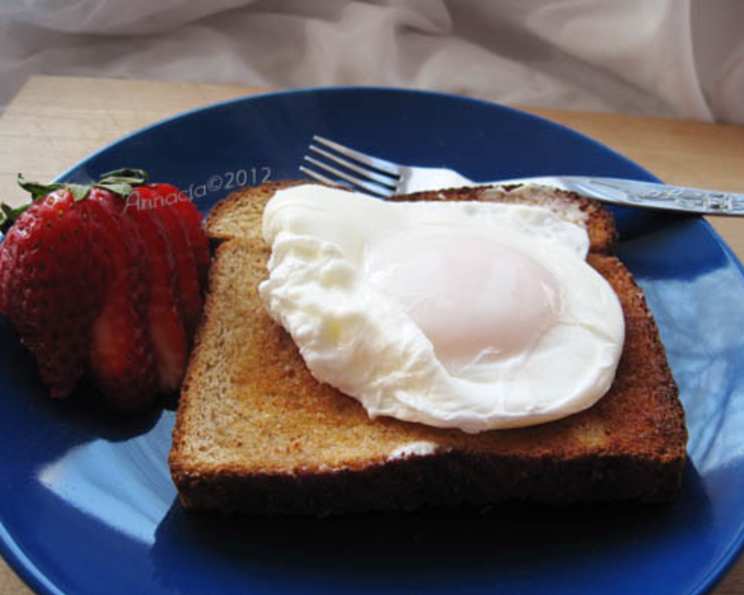
E-Z Poached Eggs for 2
I remember my first attempt at poaching eggs. I was probably ten, attempting to make a fancy breakfast for my parents. The water was boiling like a geyser, the egg whites spread into a feathery mess, and the yolks… well, they were hard. It was a far cry from the elegant, softly set orbs I’d seen in cookbooks. But, oh, the perseverance! And eventually, after many attempts and much experimentation, I discovered the simple joy of perfectly poached eggs, a skill that has since elevated countless brunches.
Recipe Overview
- Prep Time: 2 minutes
- Cook Time: 5 minutes
- Total Time: 7 minutes
- Servings: 2
- Dietary Type: Vegetarian, Gluten-Free
Ingredients
- 2 large eggs, cracked and placed in a small, shallow bowl at room temperature
- 1 pint hot water, in a shallow pan
- 2 tablespoons white vinegar
- Pepper, to taste
- ½ teaspoon butter
- 2 pieces toast
Equipment Needed
- Shallow pan
- Small shallow bowl
- Slotted spoon
Instructions
-
Start by making your toast. Aim for a medium-dark toast. This provides a solid base and a nice textural contrast to the soft egg.
-
Next, bring the water in your shallow pan to a simmer over medium heat. Add the white vinegar. The vinegar helps the egg whites coagulate quickly and maintain their shape, preventing those unsightly wispy bits.
-
Gently slide the eggs from their bowls into the simmering water. Keep the water at a gentle simmer; a rolling boil will result in a chaotic egg situation.
-
Simmer and baste the eggs with the hot water using a spoon. This helps the tops cook evenly and ensures a uniformly set white. Continue until the whites are opaque, but the yolks are still soft. This usually takes about 3-5 minutes, depending on the heat and the size of the eggs.
-
Once the eggs are poached to your liking, carefully remove them from the water with a slotted spoon, allowing any excess water to drain off.
-
Place each egg on a piece of toast.
-
Sprinkle the eggs with pepper to taste.
-
Dot each egg with a ¼ teaspoon of butter. This adds a touch of richness and flavor.
-
Serve immediately and enjoy!
Expert Tips & Tricks
- Fresher is better: Use the freshest eggs possible. The whites of older eggs tend to spread more in the water.
- The swirl (optional): Some chefs create a gentle whirlpool in the water before adding the egg to help it form a neater shape. This is optional, but worth trying once you’ve mastered the basic technique. Gently stir the simmering water to create a slow swirl before carefully dropping the egg into the center.
- Room temperature eggs: Letting the eggs sit at room temperature for a few minutes before poaching can help them cook more evenly.
- Don’t overcrowd the pan: Poach only a couple of eggs at a time to prevent the water temperature from dropping too much.
- Basting is key: Gently basting the eggs with the hot water helps the whites set properly and ensures even cooking.
Serving & Storage Suggestions
Serve your poached eggs immediately for the best experience. The yolks should be runny and the whites tender. If you have any leftover poached eggs (which is unlikely!), you can store them in a bowl of cold water in the refrigerator for up to 24 hours. To reheat, gently warm them in hot (not boiling) water for about 30 seconds to 1 minute, until heated through. Be very careful, as they can easily overcook and become rubbery. Room temperature storage is not recommended.
Nutritional Information
| Nutrient | Amount per Serving | % Daily Value |
|---|---|---|
| Calories | 398 kcal | N/A |
| Calories from Fat | 110 g | 28% |
| Total Fat | 12.3 g | 18% |
| Saturated Fat | 3.8 g | 18% |
| Cholesterol | 244.5 mg | 81% |
| Sodium | 627.2 mg | 26% |
| Total Carbohydrate | 53.1 g | 17% |
| Dietary Fiber | 2.5 g | 10% |
| Sugars | 2.2 g | 8% |
| Protein | 16.8 g | 33% |
Variations & Substitutions
- Vinegar Alternatives: While white vinegar is traditional, you can experiment with other vinegars like apple cider vinegar or white wine vinegar for subtle flavor variations.
- Spice It Up: Add a pinch of red pepper flakes to the water for a little heat.
- Herb Infusion: Toss in a sprig of fresh thyme or rosemary into the poaching water for an herbaceous aroma and flavor.
- Toast Upgrade: Instead of plain toast, use sourdough, multigrain, or even a croissant for a more decadent experience.
- Sauce It Up: Top your poached eggs with hollandaise sauce, pesto, or a drizzle of balsamic glaze for extra flavor.
FAQs (Frequently Asked Questions)
Q: Why do I need to use vinegar in the water?
A: The vinegar helps the egg whites coagulate quickly, which prevents them from spreading and creating a messy result. It also adds a subtle tangy flavor.
Q: My egg whites are always wispy. What am I doing wrong?
A: This is often caused by using older eggs. Fresher eggs have firmer whites that are less likely to spread. Also, ensure the water is at a gentle simmer, not a rolling boil.
Q: How can I tell when the eggs are done?
A: The whites should be completely opaque and firm to the touch, but the yolks should still be soft and runny. Gently poke the yolk with your finger to test its doneness.
Q: Can I poach more than two eggs at a time?
A: It’s best to poach only two eggs at a time to prevent overcrowding the pan and lowering the water temperature. This ensures even cooking.
Q: What if my yolks break while poaching?
A: This can happen if you’re not careful when transferring the eggs to the water or if the water is too hot. Try gently sliding the eggs into the water and maintain a low simmer. If a yolk breaks, it’s still perfectly edible; it just won’t have the same presentation.
Final Thoughts
Poached eggs are a seemingly simple dish that can elevate any brunch or breakfast. Don’t be intimidated by the process. With a few simple steps and a little practice, you’ll be poaching eggs like a pro in no time. So gather your ingredients, put on some music, and get ready to enjoy a delicious and satisfying meal. And hey, if you try out some of the variations, I’d love to hear about it! Happy poaching!