
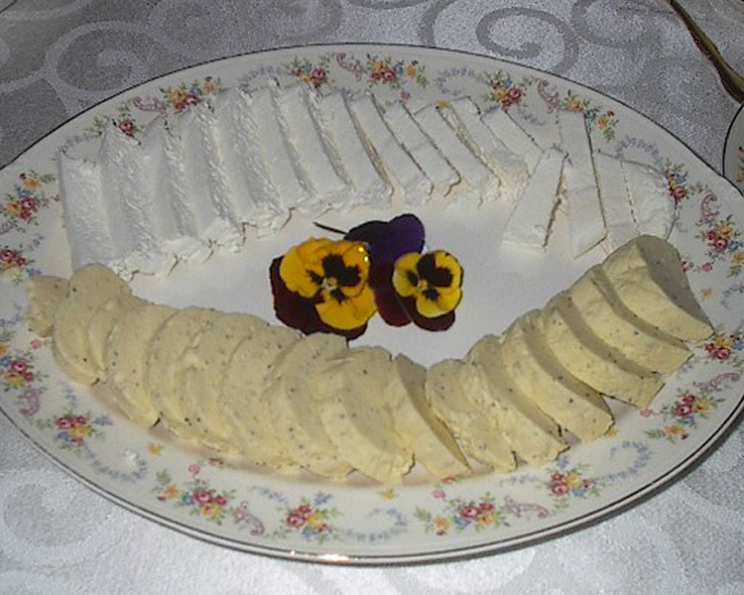
Easter Egg Cheese: A Culinary Tradition
Easter morning, the scent of lilies always mingled with something a little… peculiar. Not unpleasant, but certainly unique. It was the aroma of my grandmother’s Easter Egg Cheese, a wobbly, pale creation that sat nestled amongst the brightly colored eggs and glazed ham. As a child, I was more drawn to the chocolate bunnies, but now, that subtly savory, eggy “cheese” evokes a powerful wave of nostalgia, reminding me of family gatherings, springtime, and the comforting predictability of tradition. While it might not be the flashiest dish on the Easter table, it holds a special place in my heart, and is always a conversation starter.
Recipe Overview
- Prep Time: 15 minutes
- Cook Time: 30 minutes
- Total Time: 1 day (includes overnight draining)
- Servings: 10
- Yield: 1 cheese
- Dietary Type: High-Protein
Ingredients
- 18 large eggs
- 1 1/2 quarts milk
- 1 teaspoon salt
- 1/2 teaspoon white pepper
Equipment Needed
- Large mixing bowl
- Saucepan
- Double-thick cheesecloth bag (approximately 4″ in diameter when rounded)
- String or twine
- Large bowl (for draining)
- Kitchen cabinet (or other place to hang the cheesecloth bag)
Instructions
- Begin by preparing your cheesecloth bag. It’s crucial that it’s double-thick to prevent the egg mixture from seeping through. You want a rounded bag that’s roughly 4 inches in diameter.
- In a large mixing bowl, combine the 18 eggs, 1 1/2 quarts of milk, 1 teaspoon of salt, and 1/2 teaspoon of white pepper.
- Using a whisk, beat the mixture vigorously until it becomes foamy. This incorporates air and helps create a smoother final product.
- Pour the egg and milk mixture into a saucepan.
- Place the saucepan over low heat. This is critical! Cooking too quickly will result in a tough, rubbery texture and may cause the mixture to burn.
- Cook the mixture, stirring constantly, until it transforms into soft scrambled eggs. This process will take approximately 30 minutes.
- Important: Stay vigilant and stir continuously. The mixture can burn easily if left unattended, especially on the bottom of the pan. Use a spatula to scrape the bottom and sides of the pan regularly.
- Once the mixture resembles soft scrambled eggs, immediately pour it into the prepared cheesecloth bag.
- Twist the open end of the cheesecloth bag tightly to secure the mixture.
- Tie the twisted end with string or twine, creating a secure closure.
- Hang the cheesecloth bag from the inside of a kitchen cabinet or another suitable location where it can drain freely. Place a large bowl underneath to catch the draining liquid.
- Allow the cheesecloth bag to hang and drain overnight (approximately 12-18 hours). This is essential for removing excess moisture and achieving the desired consistency.
- The next day, carefully remove the Easter Egg Cheese from the cheesecloth bag. Handle it gently, as it can be delicate and prone to breaking.
- Place the cheese in the refrigerator to cool completely. This will help it firm up and make it easier to slice.
- Store the Easter Egg Cheese in the refrigerator until ready to serve.
Expert Tips & Tricks
- Low and Slow is Key: The secret to a tender Easter Egg Cheese is cooking it over very low heat. Patience is your friend here. Rushing the process will result in a tough, dry final product.
- Cheesecloth Prep: Ensure your cheesecloth is clean and free of any lint or debris. Pre-washing it is a good idea.
- Seasoning Adjustments: While the recipe calls for salt and white pepper, don’t be afraid to adjust the seasoning to your taste. A pinch of garlic powder or onion powder can add a subtle layer of flavor.
- Drainage is Crucial: The overnight draining process is non-negotiable. It removes excess moisture, resulting in a firmer, more cheese-like consistency. If you live in a humid climate, you may need to drain it for a longer period.
- Preventing Burning: Use a heavy-bottomed saucepan to distribute the heat more evenly and reduce the risk of burning.
- Rescue Remedy: If the mixture does start to burn slightly, immediately transfer it to a clean saucepan and continue cooking. Discard any burnt bits.
- Make-Ahead Marvel: This dish is perfect for making ahead of time. Prepare it a day or two before Easter and store it in the refrigerator.
Serving & Storage Suggestions
Serve the Easter Egg Cheese chilled or at room temperature. It can be sliced and arranged on a platter alongside other Easter delicacies such as ham, hard-boiled eggs, and sweet breads. Consider garnishing with fresh herbs like parsley or chives for a pop of color.
To store leftover Easter Egg Cheese, wrap it tightly in plastic wrap and keep it in the refrigerator. It will last for up to 3-4 days. It is not recommended to freeze this dish, as it will affect the texture. Due to its high egg content, it’s best not to leave it at room temperature for more than 2 hours.
Nutritional Information
| Nutrient | Amount per Serving | % Daily Value |
|---|---|---|
| Calories | 226.3 kcal | N/A |
| Calories from Fat | 128 | 57% |
| Total Fat | 14.3 g | 22% |
| Saturated Fat | 6.1 g | 30% |
| Cholesterol | 401.2 mg | 133% |
| Sodium | 430.3 mg | 17% |
| Total Carbohydrate | 7.6 g | 2% |
| Dietary Fiber | 0 g | 0% |
| Sugars | 0.7 g | N/A |
| Protein | 16.1 g | 32% |
Note: Nutritional information is an estimate and may vary based on specific ingredients and preparation methods.
Variations & Substitutions
- Herb Infusion: Add fresh herbs like dill, chives, or parsley to the egg mixture for a more pronounced flavor.
- Spicy Kick: Incorporate a pinch of red pepper flakes or a dash of hot sauce for a touch of heat.
- Garlic Lover’s Delight: Sauté minced garlic in butter before adding the egg mixture to the saucepan.
- Smoked Paprika: A dash of smoked paprika can add a smoky depth to the flavor profile.
- Different Milk: While whole milk is traditional, you can experiment with different types of milk, such as 2% or even non-dairy alternatives like almond milk or soy milk. Keep in mind that this will affect the final texture and flavor.
- Cheese Addition: Some people enjoy adding a small amount of shredded cheese to the mixture before cooking. A mild cheddar or mozzarella would work well.
FAQs (Frequently Asked Questions)
Q: Why does the recipe call for hanging the cheese in a cheesecloth bag overnight?
A: Hanging the cheese in a cheesecloth bag allows excess liquid to drain, resulting in a firmer, more cheese-like consistency. It also helps to concentrate the flavors.
Q: Can I skip the draining process?
A: While you could, skipping the draining process will result in a much softer, wetter product that doesn’t resemble cheese as much. The draining is crucial for achieving the desired texture.
Q: What if I don’t have a cheesecloth bag?
A: You can use several layers of cheesecloth secured with twine to create a makeshift bag. Make sure it’s thick enough to prevent the egg mixture from seeping through.
Q: How do I know when the egg mixture is cooked enough?
A: The egg mixture is cooked enough when it resembles soft scrambled eggs. It should be set but still slightly moist. Avoid overcooking, as this will result in a tough, dry cheese.
Q: Can I add vegetables to the Easter Egg Cheese?
A: While the traditional recipe is simple, you can certainly add finely chopped vegetables like onions, peppers, or mushrooms to the egg mixture before cooking. Just be sure to cook them slightly beforehand to soften them.
Final Thoughts
Easter Egg Cheese might not be the most glamorous dish, but it’s a testament to the enduring power of tradition and the simple pleasures of home cooking. I encourage you to give this recipe a try, even if it seems a bit unusual at first. It’s a wonderful way to connect with the past, create new memories, and perhaps even discover a new family favorite. Don’t hesitate to experiment with different flavor variations to make it your own. And if you do, please share your feedback – I’d love to hear how it turns out! Serve it alongside a slice of honey-baked ham and a crisp glass of white wine for a truly memorable Easter feast. Happy cooking, and happy Easter!