
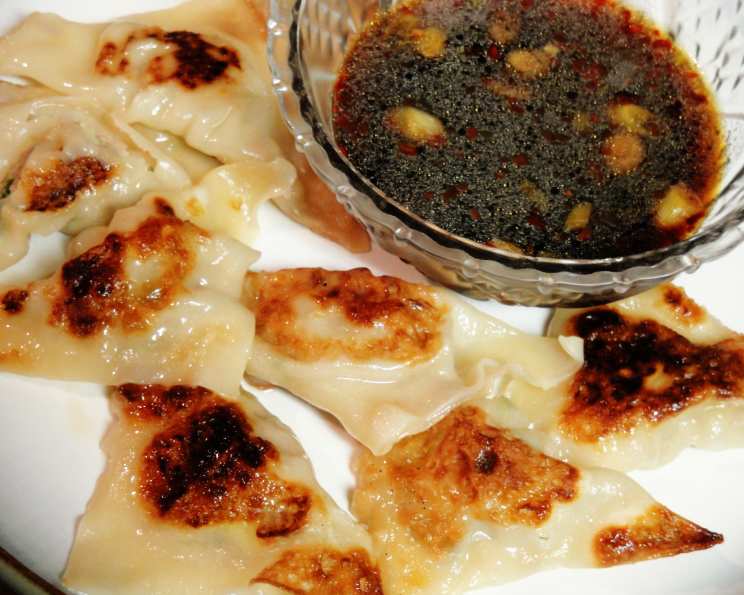
Easy and Delicious Pot Stickers: A Culinary Adventure
The aroma of ginger and sesame always transports me back to my grandmother’s tiny kitchen. She wasn’t a chef by trade, but her pot stickers were legendary. I remember watching, mesmerized, as her nimble fingers folded each delicate wrapper around savory fillings, a task she performed with the effortless grace of someone who had spent a lifetime perfecting her craft. These weren’t just dumplings; they were edible love letters, each one a testament to her unwavering affection. Though her hands are still and her kitchen silent, every time I make these pot stickers, I feel her presence beside me, guiding my own hands in this cherished ritual.
Recipe Overview
- Prep Time: 30 minutes
- Cook Time: 15 minutes
- Total Time: 45 minutes
- Servings: 4-6
- Yields: 24 pot stickers
- Dietary Type: Adaptable (see variations)
Ingredients
- ½ cup napa cabbage or savoy cabbage, finely chopped
- ½ teaspoon coarse salt or ¼ teaspoon table salt
- 6 ounces ground pork, not all lean
- 3 scallions, finely chopped
- 1 tablespoon fresh ginger, peeled and finely chopped
- 1 teaspoon soy sauce
- 1 teaspoon toasted sesame oil
- 24 rectangular or square wonton wrappers (3 ½-by-3-inch)
- 2 tablespoons vegetable oil
Equipment Needed
- Medium bowl
- Paper towels
- Fork or hands for mixing
- Oiled plate
- Damp towel
- 12-inch nonstick skillet with a tight-fitting lid
Instructions
- In a medium bowl, toss the finely chopped cabbage (either napa or savoy) with ½ teaspoon of coarse salt (or ¼ teaspoon of table salt). This step helps draw out excess moisture from the cabbage, preventing soggy pot stickers. Let it stand for 10 minutes.
- Wrap the salted cabbage in a double layer of paper towels. Firmly squeeze out any excess liquid. This is crucial for achieving the right consistency for your pot sticker filling. Discard the liquid.
- Return the squeezed-out cabbage to the bowl. Add the ground pork, finely chopped scallions, peeled and finely chopped fresh ginger, soy sauce, and toasted sesame oil.
- Mix all the ingredients thoroughly with a fork or your hands until well combined. This ensures that the flavors are evenly distributed throughout the filling. Be careful not to overmix, which can make the pork tough.
- Now, let’s assemble the pot stickers. Work with one wonton wrapper at a time, and keep the remaining wrappers covered with a damp towel to prevent them from drying out and cracking.
- Spoon one level teaspoon of the filling into the center of each wrapper. Resist the urge to add more filling; too much will make it difficult to seal the wrappers properly, and they might tear during cooking.
- With dampened fingers, lightly wet all four edges of the wonton wrapper. The water acts as a glue, helping the edges to stick together securely.
- Fold the wrapper in half over the filling to form a triangle, ensuring that the ends meet and the filling is centered. Press the edges down firmly to seal. Alternatively, you can bring all four corners together to create a small pouch shape. While not as visually appealing, this method can be faster.
- Transfer the assembled pot stickers to an oiled plate. Cover them with a damp towel to keep them moist until you’re ready to cook them.
- Repeat steps 5-9 with the remaining wrappers and filling. If you happen to have any leftover filling, you can refrigerate it in an airtight container for up to 2 days.
- In a 12-inch nonstick skillet with a tight-fitting lid, heat 1 tablespoon of vegetable oil over medium-high heat. Ensure the skillet is hot before adding the pot stickers; this helps them develop a nice, crispy bottom.
- Carefully add half of the wontons to the hot skillet in a single layer, being careful not to overcrowd the pan. Cook, turning once, until the bottoms are lightly browned, about 1 minute per side.
- Carefully pour ½ cup of water into the skillet (be cautious, as the oil may sputter). Immediately cover the skillet with the tight-fitting lid. The steam will cook the filling and make the wrappers translucent. Steam until the wrappers are translucent and the filling is just cooked through, approximately 2 to 3 minutes.
- Remove the cooked pot stickers from the skillet and set aside.
- Repeat steps 11-13 with the remaining tablespoon of vegetable oil and the remaining wontons.
- Serve immediately with soy sauce or your favorite dipping sauce.
Expert Tips & Tricks
- For extra crispy pot stickers, after steaming, remove the lid and allow any remaining water to evaporate completely before removing them from the pan. Be careful not to burn them!
- If you’re having trouble sealing the wrappers, try using an egg wash (a beaten egg with a splash of water) instead of just water.
- To make ahead, assemble the pot stickers and freeze them on a baking sheet in a single layer. Once frozen, transfer them to a freezer bag. Cook them directly from frozen, adding a minute or two to the steaming time.
Serving & Storage Suggestions
Serve your pot stickers hot off the skillet with a side of soy sauce, chili oil, or a homemade dipping sauce (a mixture of soy sauce, rice vinegar, sesame oil, and a pinch of sugar is a classic choice). Leftover pot stickers can be stored in an airtight container in the refrigerator for up to 3 days. To reheat, you can pan-fry them again to restore their crispiness or microwave them briefly, although microwaving will make them softer. They don’t hold up particularly well at room temperature for extended periods, so refrigerate them promptly.
Nutritional Information
| Nutrient | Amount per Serving | % Daily Value |
|---|---|---|
| Calories | 329 kcal | N/A |
| Calories from Fat | 159 g | 48% |
| Total Fat | 17.7 g | 27% |
| Saturated Fat | 4.5 g | 22% |
| Cholesterol | 35 mg | 11% |
| Sodium | 675.7 mg | 28% |
| Total Carbohydrate | 29.3 g | 9% |
| Dietary Fiber | 1.3 g | 5% |
| Sugars | 0.5 g | 1% |
| Protein | 12.4 g | 24% |
Note: Nutritional information is an estimate and can vary based on specific ingredients and portion sizes.
Variations & Substitutions
- Vegetarian Pot Stickers: Substitute the ground pork with finely chopped mushrooms, tofu, or a combination of both.
- Shrimp Pot Stickers: Use finely chopped shrimp instead of ground pork.
- Spicy Pot Stickers: Add a pinch of red pepper flakes or a dash of chili oil to the filling for a fiery kick.
- Gluten-Free Pot Stickers: Use gluten-free wonton wrappers, which are available at many Asian grocery stores or online.
- Chicken Pot Stickers: Replace the ground pork with ground chicken
FAQs (Frequently Asked Questions)
Q: Why is it important to squeeze the liquid out of the cabbage?
A: Squeezing out the excess liquid from the cabbage prevents the pot sticker filling from becoming too watery, which can make the wrappers soggy and difficult to seal.
Q: Can I use frozen wonton wrappers?
A: Yes, but make sure to thaw them completely before using. Thaw them in the refrigerator overnight for best results, and keep them covered with a damp towel while you work to prevent them from drying out.
Q: How do I know when the pot stickers are cooked through?
A: The wrappers should be translucent and slightly softened, and the filling should be cooked through and no longer pink. Using a food thermometer, the internal temperature of the filling should reach 165°F (74°C).
Q: My pot stickers are sticking to the pan. What am I doing wrong?
A: Make sure you’re using a nonstick skillet and that you’re heating the oil sufficiently before adding the pot stickers. Also, don’t overcrowd the pan, as this can lower the temperature and cause them to stick.
Q: Can I bake these pot stickers instead of pan-frying and steaming them?
A: While pan-frying and steaming is the traditional method, you can bake them. Preheat your oven to 375°F (190°C). Place the assembled pot stickers on a baking sheet lined with parchment paper, brush them with oil, and bake for 15-20 minutes, or until golden brown. However, they won’t have the same crispy bottom as pan-fried ones.
Final Thoughts
Don’t be intimidated! These pot stickers are easier to make than you might think. The process is meditative, and the end result – savory, delicious little dumplings – is well worth the effort. Gather your ingredients, put on some music, and make an evening of it. And please, share your creations and feedback – I’d love to hear how they turned out for you. Consider serving them alongside a bowl of hot and sour soup for a complete and satisfying meal. Happy cooking!