
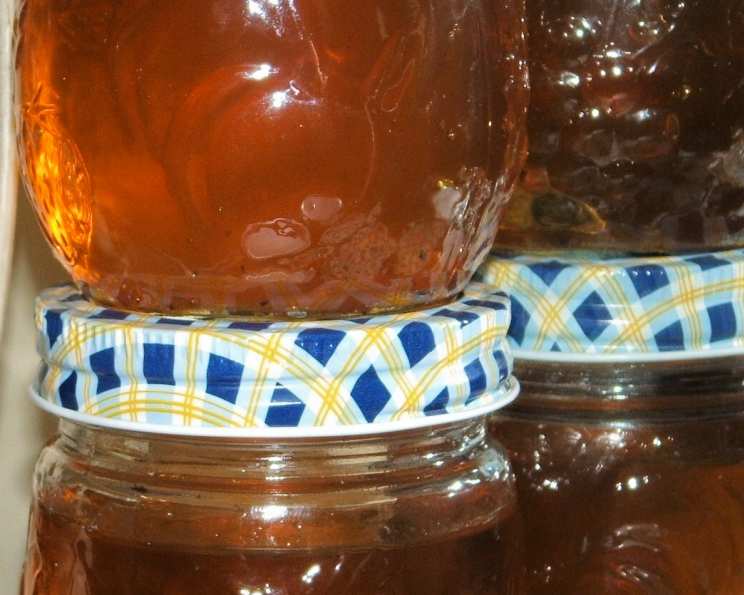
Easy Basil Jelly: A Taste of Summer in Every Bite
Basil, for me, isn’t just an herb; it’s a memory. I remember summers spent in my grandmother’s garden, the air thick with the scent of sun-baked earth and the vibrant perfume of her prized basil plants. She always found ingenious ways to use it, from classic pesto to refreshing basil lemonade. But the most magical of all was her basil jelly – a shimmering, emerald-green preserve that captured the very essence of summer. Every spoonful was a taste of sunshine, a burst of her love, and a reminder of those carefree days spent in her fragrant garden. It’s a tradition I’ve happily carried on, and I’m excited to share it with you.
Recipe Overview
- Prep Time: 25 minutes
- Cook Time: 20 minutes
- Total Time: 45 minutes
- Yields: 3-4 half pints
- Dietary Type: Vegetarian
Ingredients
- 3 cups apple juice
- 1 1/2 cups firmly packed crushed fresh basil leaves
- 2 tablespoons cider vinegar
- 2 drops green food coloring (optional, but enhances the vibrant color)
- 3 1/2 cups sugar
- 1 (6 ounce) packet liquid pectin
Equipment Needed
- Large saucepan
- Slotted spoon
- Sterilized half-pint jars (3-4)
- Water bath canner
- Jar lifter
- Clean kitchen towels
Instructions
-
Begin by preparing your basil infusion. In a heat-safe bowl or large measuring cup, bring 1 cup of the apple juice to a rolling boil using a microwave or small saucepan. Immediately pour the boiling apple juice over the 1 1/2 cups of firmly packed crushed fresh basil leaves. Allow this mixture to steep, undisturbed, for 25 minutes. This crucial step extracts the beautiful basil flavor.
-
After the steeping period, strain the infused liquid through a fine-mesh sieve or cheesecloth-lined colander into a large saucepan. Discard the spent basil leaves. Ensure you squeeze as much liquid as possible from the basil to maximize flavor.
-
Add the remaining 2 cups of apple juice, 2 tablespoons of cider vinegar, and 2 drops of green food coloring (if using) to the saucepan containing the strained basil infusion. Stir well to combine all the ingredients.
-
Bring the mixture to a hard boil over medium-high heat. A “hard boil” is one that continues even when you stir it.
-
Once boiling vigorously, add 3 1/2 cups of sugar and the packet of liquid pectin to the saucepan. Stir constantly to ensure the sugar dissolves completely and the pectin is evenly distributed. Any undissolved sugar can crystallize later.
-
Return the mixture to a hard boil, continuing to stir constantly. Cook until the jelly reaches the “jelly point.” This typically takes a few minutes. You can test for the jelly point by placing a small spoonful of the hot liquid onto a chilled plate. Let it sit for a minute, then gently push it with your finger. If it wrinkles or forms a skin, it has reached the jelly point. Alternatively, use a candy thermometer; the jelly point is usually around 220°F (104°C).
-
Remove the saucepan from the heat. Use a slotted spoon to carefully skim off any foam that has formed on the surface of the jelly. This will result in a clearer, more visually appealing final product.
-
If, despite straining, a few stray basil leaves remain in the jelly, remove them with a slotted spoon for the best appearance.
-
Carefully pour the hot jelly mixture into the sterilized half-pint jars, leaving about 1/2 inch of headroom at the top of each jar. This space is essential for proper sealing during processing.
-
Wipe the rims of the jars clean with a damp cloth to ensure a good seal. Attach the lids and bands to the jars, tightening them finger-tight.
-
Process the filled jars in a boiling water bath canner for 15 minutes. Ensure the water covers the jars by at least 1 inch. Adjust processing time for altitude if necessary, following canning guidelines for your specific elevation.
-
Using a jar lifter, carefully remove the processed jars from the canner and place them on a clean kitchen towel-lined surface to cool completely. Avoid tilting the jars.
-
As the jars cool, you should hear a “popping” sound as the lids seal. After the jars have cooled completely (typically 12-24 hours), check the seals by pressing down on the center of each lid. If the lid doesn’t flex or make a popping sound, it is properly sealed.
-
Refrigerate promptly any jars that do not seal properly. Remove the bands from the sealed jars (they can rust if left on) and store them in a cool, dry, and dark area.
Expert Tips & Tricks
- Basil Quality: Use the freshest, most fragrant basil you can find. The quality of the basil directly impacts the flavor of the jelly.
- Sterilization is Key: Ensure your jars and lids are properly sterilized to prevent spoilage. You can sterilize them by boiling them in water for 10 minutes or running them through a dishwasher cycle.
- Preventing Cloudiness: Skimming off the foam is essential for a clear jelly. Don’t skip this step!
- Flavor Boost: For a more complex flavor, consider adding a pinch of red pepper flakes to the basil infusion. It will add a subtle warmth to the finished jelly.
- Herb Options: While this recipe is for basil jelly, you can experiment with other herbs as well! Mint or rosemary could be delicious.
Serving & Storage Suggestions
Basil jelly is incredibly versatile. It makes a delightful accompaniment to grilled cheese sandwiches, roasted meats (especially chicken or pork), and creamy cheeses like brie or goat cheese. Spread it on crackers or toast for a simple yet elegant appetizer.
Properly sealed basil jelly can be stored in a cool, dark place for up to a year. Once opened, refrigerate and use within a few weeks. Jars that didn’t seal properly should be refrigerated immediately and consumed within a week.
Nutritional Information
| Nutrient | Amount per Serving | % Daily Value |
|---|---|---|
| Calories | 1034 kcal | N/A |
| Calories from Fat | 3 g | 0% |
| Total Fat | 0.4 g | 0% |
| Saturated Fat | 0.1 g | 0% |
| Cholesterol | 0 mg | 0% |
| Sodium | 8.8 mg | 0% |
| Total Carbohydrate | 264.5 g | 88% |
| Dietary Fiber | 2.3 g | 9% |
| Sugars | 260.3 g | N/A |
| Protein | 0.7 g | 1% |
Note: Nutritional information is an estimate and may vary based on specific ingredients and serving size.
Daily values are based on a 2,000 calorie diet. N/A = Not Applicable
Variations & Substitutions
- Spicy Basil Jelly: Add a pinch of red pepper flakes to the apple juice when steeping the basil for a hint of heat.
- Lemon Basil Jelly: Substitute 1/4 cup of the apple juice with fresh lemon juice for a brighter, citrusy flavor.
- White Wine Basil Jelly: Use a crisp white wine, such as Sauvignon Blanc, in place of the apple juice for a more sophisticated flavor profile.
- Different Herbs: Experiment with other herbs like mint or rosemary. Follow the same process, but adjust the amount of herb to taste.
- No Food Coloring: If you prefer a more natural look, skip the green food coloring. The jelly will still have a lovely light green hue from the basil.
FAQs (Frequently Asked Questions)
Q: Why is my jelly cloudy?
A: Cloudiness in jelly is usually caused by incomplete straining or insufficient skimming of the foam. Be sure to use a fine-mesh sieve or cheesecloth when straining the basil infusion and diligently skim off any foam that forms during cooking.
Q: My jelly didn’t set. What went wrong?
A: Several factors can prevent jelly from setting, including insufficient cooking time, improper sugar-to-pectin ratio, or inaccurate measuring. Ensure you cook the jelly to the “jelly point” and carefully measure all ingredients.
Q: Can I use dried basil instead of fresh?
A: While fresh basil is highly recommended for the best flavor, you can use dried basil in a pinch. Use about 1/3 the amount of fresh basil and expect a slightly less vibrant flavor.
Q: How long does basil jelly last?
A: Properly sealed basil jelly can last for up to a year in a cool, dark place. Once opened, refrigerate and use within a few weeks.
Q: Can I freeze basil jelly?
A: While freezing is not recommended (it can alter the texture), it is possible. Use freezer-safe containers and leave some headspace for expansion. Thaw in the refrigerator before using.
Final Thoughts
I hope you’re inspired to try this recipe and bring a touch of summer to your kitchen. Making basil jelly is not only a delicious way to preserve the flavors of the season but also a rewarding experience that connects you to the simple pleasures of cooking. Don’t be afraid to experiment with variations and find your own perfect blend of flavors. Share your creations with friends and family, and savor the joy of homemade goodness. And, if you create your own unique twist on this recipe, I’d love to hear about it!