
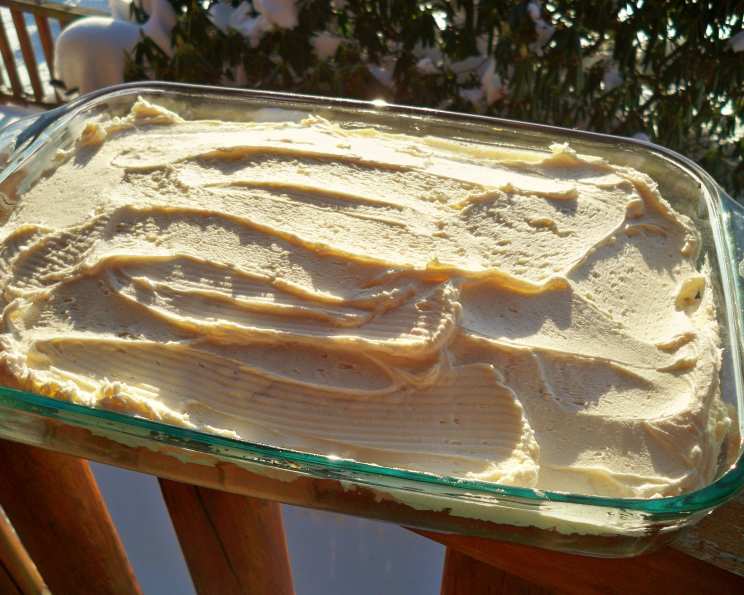
Easy Buttercream Frosting: A Baker’s Best Friend
I can still picture it: my grandmother’s worn, floral-patterned apron, dusted with powdered sugar, as she meticulously frosted a towering layer cake. The aroma of vanilla filled her cozy kitchen, a scent synonymous with love and celebration. Her buttercream was legendary – impossibly smooth, perfectly sweet, and the ideal canvas for her artistic swirls and rosettes. It’s a memory I cherish, and this simple buttercream recipe is my attempt to recapture a bit of that magic.
Recipe Overview
- Prep Time: 5 minutes
- Cook Time: 0 minutes
- Total Time: 5 minutes
- Yields: 2 cups
- Serves: 16
- Dietary Type: Vegetarian
Ingredients
- 3 cups powdered sugar (also known as icing sugar)
- 1 cup unsalted butter, at room temperature
- 1 pinch salt
- 1 teaspoon vanilla extract
Equipment Needed
- Electric mixer (handheld or stand mixer)
- Small bowl
- Rubber spatula
- Pastry bag and tips (optional)
Instructions
-
In a small bowl, using an electric mixer on low speed, beat together the 3 cups of powdered sugar, 1 cup of room temperature butter, and 1 pinch of salt. It’s crucial that the butter is soft, but not melted. If it’s too cold, it will be difficult to cream smoothly. If it’s melted, the frosting will be too thin. Start mixing on low speed to prevent a cloud of powdered sugar from erupting.
-
Gradually increase the mixer speed to high and beat until the mixture is light and fluffy, about 3-5 minutes. This step is essential for creating a smooth and airy buttercream. Don’t rush it! Scrape down the sides of the bowl with a rubber spatula periodically to ensure everything is evenly incorporated.
-
Add 1 teaspoon of vanilla extract, beating until the frosting is smooth and fully incorporated. Be careful not to overmix at this stage, as it can sometimes cause the buttercream to separate.
-
Your buttercream is now ready to use! Spread the icing on cooled cupcakes or cake with a knife or offset spatula. For a more decorative touch, transfer the buttercream to a pastry bag fitted with your favorite tip and pipe decoratively over your cake or cupcakes.
-
This recipe yields about 2 cups of frosting, which is enough to frost approximately 16 cupcakes or a standard 9-inch layer cake. Adjust the recipe proportionally if you need more or less frosting.
Expert Tips & Tricks
- Room Temperature Butter is Key: The most important factor in achieving smooth buttercream is using butter that is truly at room temperature. It should be soft enough that you can easily make an indentation with your finger, but not oily or melted. If you forget to take the butter out ahead of time, you can soften it quickly by cutting it into small cubes and letting it sit out for a shorter period, or by very briefly microwaving it (use caution to avoid melting).
- Sift the Powdered Sugar: For the smoothest possible buttercream, sift the powdered sugar before adding it to the butter. This removes any lumps that could make the frosting grainy.
- Adjusting Consistency: If your buttercream is too thick, add a tablespoon of milk or cream at a time until you reach your desired consistency. If it’s too thin, add a little more powdered sugar.
- Preventing Graininess: If your buttercream looks grainy, it’s likely due to undissolved sugar. Continue beating the mixture on high speed for a few more minutes. The heat from the friction of the mixer can help the sugar dissolve.
- Coloring the Buttercream: Gel food coloring is the best choice for coloring buttercream, as it is highly concentrated and won’t change the consistency of the frosting. Add the coloring a drop at a time until you achieve your desired shade.
- Flavor Variations: This buttercream recipe is a blank canvas for your creativity. Experiment with different extracts, such as almond, lemon, or peppermint. You can also add a tablespoon or two of cocoa powder for chocolate buttercream, or a spoonful of fruit puree for a fruity twist.
- Troubleshooting: If your buttercream curdles, it’s likely because the butter and sugar weren’t properly emulsified. Try gently warming the bowl over a double boiler while continuing to beat the mixture. This can help bring the ingredients back together.
Serving & Storage Suggestions
Serve your buttercream-frosted creations immediately for the freshest flavor and texture. Buttercream can sit at room temperature for a few hours, but it’s best to refrigerate it if you’re not serving it right away, especially in warm weather.
Storage:
- Room Temperature: Buttercream can be stored at room temperature for up to 2 days, provided it’s in a cool, dry place and not exposed to direct sunlight.
- Refrigerator: Buttercream can be stored in an airtight container in the refrigerator for up to a week.
- Freezer: For longer storage, buttercream can be frozen for up to 3 months. Thaw it in the refrigerator overnight before using.
Reheating:
- Refrigerated or frozen buttercream will need to be re-whipped before using. Bring it to room temperature and then beat it with an electric mixer until it’s smooth and fluffy again. You may need to add a tablespoon or two of milk or cream to restore its original consistency.
Nutritional Information
| Nutrient | Amount per Serving | % Daily Value |
|---|---|---|
| Calories | 190 kcal | N/A |
| Calories from Fat | 103 kcal | N/A |
| Total Fat | 11.5 g | 17% |
| Saturated Fat | 7.3 g | 36% |
| Cholesterol | 30.5 mg | 10% |
| Sodium | 11.7 mg | 0% |
| Total Carbohydrate | 22.5 g | 7% |
| Dietary Fiber | 0 g | 0% |
| Sugars | 22.1 g | 88% |
| Protein | 0.1 g | 0% |
Note: Nutritional information is an estimate and may vary based on specific ingredients and portion sizes.
Variations & Substitutions
- Dairy-Free Buttercream: Substitute the unsalted butter with a high-quality vegan butter alternative. Ensure the vegan butter is also at room temperature for best results. You may need to adjust the amount of liquid slightly to achieve the desired consistency.
- Chocolate Buttercream: Add 1/4 to 1/2 cup of unsweetened cocoa powder to the mixture along with the powdered sugar. Adjust the amount of cocoa powder to your desired level of chocolate intensity.
- Citrus Buttercream: Add 1-2 tablespoons of citrus zest (lemon, orange, or lime) along with the vanilla extract. You can also add a tablespoon of citrus juice for an extra burst of flavor.
- Coffee Buttercream: Dissolve 1-2 teaspoons of instant coffee in a tablespoon of hot water and add it to the mixture along with the vanilla extract.
- Brown Butter Buttercream: Brown the butter before making the buttercream for a nutty and complex flavor. Allow the browned butter to cool and solidify slightly before creaming it with the powdered sugar.
- Peanut Butter Buttercream: Beat in 1/2 cup of smooth peanut butter along with the butter and powdered sugar.
FAQs (Frequently Asked Questions)
Q: Why is my buttercream grainy?
A: Grainy buttercream is usually caused by undissolved sugar. Make sure your butter is at room temperature and beat the mixture on high speed for several minutes to help the sugar dissolve completely. Sifting your powdered sugar before beginning will also help.
Q: Can I make this buttercream ahead of time?
A: Yes! Buttercream can be made ahead of time and stored in the refrigerator for up to a week or in the freezer for up to 3 months. Be sure to store it in an airtight container. Allow it to come to room temperature and re-whip it before using.
Q: My buttercream is too soft. How can I fix it?
A: If your buttercream is too soft, add powdered sugar one tablespoon at a time until it reaches your desired consistency. Be sure to mix well after each addition.
Q: My buttercream is too thick. How can I fix it?
A: If your buttercream is too thick, add milk or cream one tablespoon at a time until it reaches your desired consistency. Be sure to mix well after each addition.
Q: Can I use salted butter instead of unsalted butter?
A: While you can use salted butter, it’s generally recommended to use unsalted butter in buttercream. This allows you to control the amount of salt in the recipe. If you do use salted butter, omit the pinch of salt called for in the recipe.
Final Thoughts
This easy buttercream frosting is more than just a recipe; it’s a foundation for creating delicious and beautiful desserts. Whether you’re frosting cupcakes for a child’s birthday party or decorating a show-stopping cake for a special occasion, this recipe will deliver perfect results every time. Don’t be afraid to experiment with different flavors and colors to create your own signature buttercream. I encourage you to give this recipe a try, share your creations with friends and family, and let me know how it turns out! Pair it with a classic vanilla cake for a simple yet elegant treat, or use it to elevate your favorite chocolate cupcake recipe. Happy baking!