
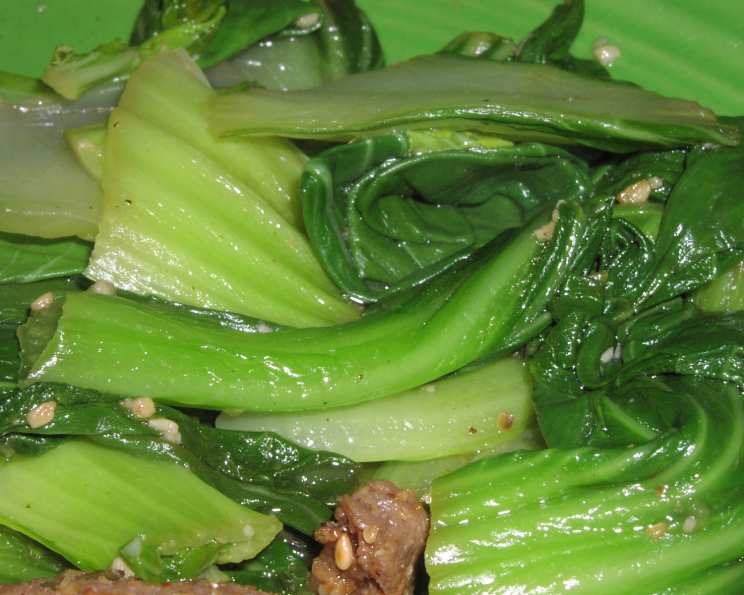
Easy Chinese Vegetables: A Flavorful Bok Choy Stir-Fry
My earliest memories of venturing into the vibrant world of Asian cuisine involve my grandmother’s insistence on trying every vegetable dish on the menu. While my childish palate initially craved sugary sauces and fried textures, I soon discovered the nuanced flavors hidden within simple greens. One particular dish, a subtly sweet and savory bok choy stir-fry, became a regular at our table, its tender leaves and crisp stalks a comforting and healthy counterpoint to richer dishes. To this day, the aroma of garlic sizzling in peanut oil instantly transports me back to those family dinners, filled with laughter, stories, and the satisfying crunch of perfectly cooked bok choy.
Recipe Overview
- Prep Time: 5 minutes
- Cook Time: 5 minutes
- Total Time: 10 minutes
- Servings: 4
- Dietary Type: Vegetarian (can be vegan if oyster sauce is substituted)
Ingredients
- 1 lb bok choy
- 2 teaspoons peanut oil
- ½ teaspoon garlic, finely chopped
- 1 tablespoon oyster sauce
- ½ teaspoon sugar
- 2 tablespoons water
- 1 teaspoon sesame oil
Equipment Needed
- Large pan or pot
- Small pan
- Tongs
- Heated serving platter
Instructions
- Bring a large pan of water to a boil. This will be used to briefly blanch the bok choy.
- Wash the bok choy thoroughly. Remove any tough stems at the base.
- Chop the bok choy into approximately 3 equal portions. This allows for even cooking.
- Add the chopped bok choy to the pan of boiling water.
- Cover the pan and blanch for 1 to 2 minutes, or until the bok choy is just tender but still crisp. Overcooking will result in mushy greens.
- Use tongs to carefully remove the blanched bok choy from the pan. Drain it well, removing excess water. Then, place the drained bok choy on a preheated serving platter. Keeping the platter warm will help maintain the temperature of the dish.
- Heat the peanut oil in a small pan over medium heat.
- Add the finely chopped garlic to the hot peanut oil and cook briefly, until fragrant. Be careful not to burn the garlic, as this will result in a bitter taste. It should only take a few seconds.
- Add the oyster sauce, sugar, and water to the pan with the garlic. Bring the mixture to a boil, stirring constantly to dissolve the sugar and ensure even incorporation of the oyster sauce.
- Remove the pan from the heat and stir in the sesame oil. This is added at the end to preserve its delicate aroma and flavor.
- Pour the sauce over the blanched bok choy on the serving platter.
- Gently toss the bok choy to coat it evenly with the sauce.
- Serve immediately while the vegetables are still warm and the sauce is glistening.
Expert Tips & Tricks
- Blanching is key: Don’t overcook the bok choy during the blanching process. The goal is to retain a slight crispness, as it will continue to cook slightly from the residual heat and the sauce.
- Garlic finesse: Keep a close eye on the garlic as it cooks. Burnt garlic can ruin the entire dish. Aim for a light golden color and fragrant aroma.
- Sauce consistency: If the sauce is too thick, add a splash more water to thin it out. If it’s too thin, simmer it for a minute or two longer to allow it to reduce slightly.
- Premium oyster sauce: The quality of oyster sauce can significantly impact the flavor. Opt for a premium brand for the best results.
- Prep ahead: The bok choy can be washed and chopped ahead of time. Store it in a sealed bag in the refrigerator until ready to use. The sauce can also be prepared in advance and reheated gently before pouring over the bok choy.
Serving & Storage Suggestions
Serve this Easy Chinese Vegetables dish immediately as a side dish alongside other Asian-inspired entrees, such as stir-fried noodles, roasted duck, or steamed fish. Garnish with a sprinkle of toasted sesame seeds or finely chopped scallions for added visual appeal.
Leftovers can be stored in an airtight container in the refrigerator for up to 2 days. Reheat gently in a pan over medium heat, adding a splash of water if needed to prevent sticking. While the texture will be slightly softer than when freshly prepared, the flavor will still be delicious. Freezing is not recommended, as it will further compromise the texture of the bok choy.
Nutritional Information
| Nutrient | Amount per Serving | % Daily Value |
|---|---|---|
| Calories | 60 kcal | 3% |
| Total Fat | 4g | 5% |
| Saturated Fat | 1g | 5% |
| Cholesterol | 0mg | 0% |
| Sodium | 300mg | 13% |
| Total Carbohydrate | 5g | 2% |
| Dietary Fiber | 2g | 7% |
| Sugars | 3g | |
| Protein | 2g | 4% |
Note: Nutritional information is an estimate and may vary based on specific ingredients and preparation methods.
Variations & Substitutions
- Vegan Option: Substitute the oyster sauce with a vegetarian “oyster sauce” made from mushrooms or a combination of soy sauce, hoisin sauce, and a touch of maple syrup for sweetness.
- Spicy Kick: Add a pinch of red pepper flakes or a drizzle of chili oil to the sauce for a touch of heat.
- Garlic Lovers: Double the amount of garlic for a more intense garlic flavor.
- Other Vegetables: Feel free to add other vegetables to the stir-fry, such as sliced mushrooms, carrots, or bell peppers. Just adjust the blanching time accordingly.
- Ginger Infusion: Add a small piece of grated fresh ginger to the peanut oil along with the garlic for an extra layer of flavor.
FAQs (Frequently Asked Questions)
Q: Can I use a different type of oil instead of peanut oil?
A: Yes, you can substitute peanut oil with another neutral-flavored oil with a high smoke point, such as canola oil or vegetable oil. However, peanut oil adds a subtle nutty flavor that complements the dish well.
Q: Is it necessary to blanch the bok choy before stir-frying?
A: Blanching helps to tenderize the bok choy and reduce its bitterness. It also helps to preserve its vibrant green color. If you prefer, you can skip the blanching step and stir-fry the bok choy directly, but it may take a bit longer to cook through.
Q: Can I make this dish ahead of time?
A: While it’s best served immediately, you can prepare the bok choy and sauce separately ahead of time. Store them in airtight containers in the refrigerator and combine them just before serving.
Q: What is oyster sauce, and where can I find it?
A: Oyster sauce is a thick, brown sauce made from oyster extracts. It adds a savory and umami flavor to dishes. You can find it in the Asian aisle of most grocery stores.
Q: How can I tell if the bok choy is cooked properly?
A: The bok choy should be tender-crisp, meaning it’s tender enough to bite through easily but still has a slight crunch. Avoid overcooking it, as it will become mushy.
Final Thoughts
This Easy Chinese Vegetables recipe is a testament to the fact that simple ingredients, when combined with care and attention, can create a truly delicious and satisfying dish. I encourage you to try this recipe at home and experience the joy of creating a healthy and flavorful meal in just minutes. Feel free to experiment with different vegetables and flavor combinations to make it your own. And don’t forget to share your creations and feedback – I’d love to hear how it turns out! Pair this dish with steamed rice and your favorite protein for a complete and balanced meal.