
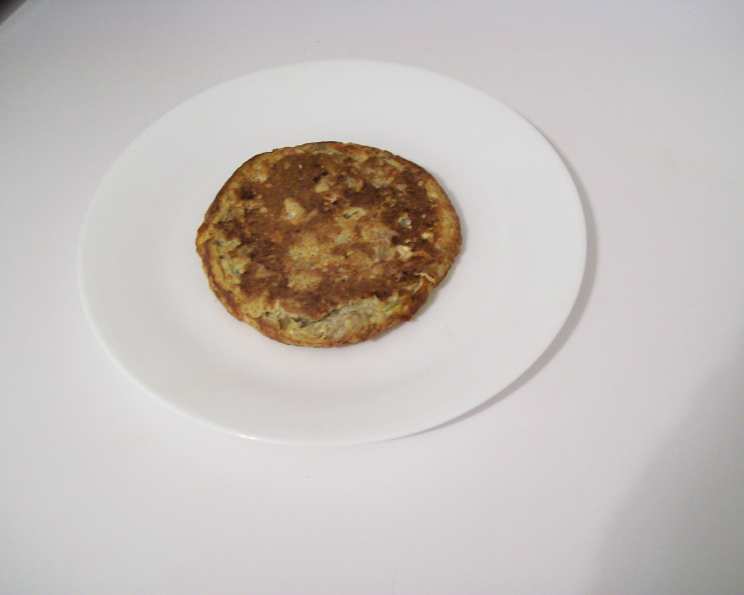
Easy Egg Foo Yung: A Culinary Classic Made Simple
The sizzle of the skillet, the savory aroma filling the kitchen, the anticipation of that first bite – Egg Foo Yung has always been a comfort food for me. My grandmother, a woman of few words but immense culinary talent, would whip up a batch on rainy afternoons. It wasn’t just the delicious flavor of the perfectly cooked egg patties and crisp vegetables; it was the feeling of warmth and love that came with every single bite. I remember watching her carefully selecting the best vegetables, her practiced hands moving with a speed that belied her age. This recipe is my tribute to her, simplified for modern kitchens, but carrying the same heart and soul.
Recipe Overview
- Prep Time: 15 minutes
- Cook Time: 43 minutes
- Total Time: 58 minutes
- Servings: 4
- Yields: 4 6-inch diameter patties
- Serves: 8
- Dietary Type: Varies (check ingredient labels for gluten-free, etc.)
Ingredients
- 7 eggs
- 1 (14 ounce) can chop suey vegetables (I use La Choy)
- 1 (14 ounce) can fancy mixed-Chinese vegetables (La Choy)
- 1 tablespoon soy sauce
- 1 teaspoon white pepper
- Oil-based cooking spray
Equipment Needed
- Medium-size bowl
- 6-inch skillet (cast iron preferred, but non-stick is fine) or a 10-inch skillet
- Fork or whisk
- Cutting board
- Knife
- Spatula
Instructions
- In a medium-size bowl, lightly beat the eggs with the soy sauce and white pepper until just combined. Do not overbeat, as this can make the egg patties tough.
- Drain the chop suey vegetables and the mixed Chinese vegetables thoroughly. Getting rid of excess liquid is essential for achieving a properly browned and flavorful patty.
- Carefully pick out the bamboo shoots, celery, and water chestnuts from the drained chop suey vegetables. Dice these selected vegetables into ¼ inch pieces or smaller. Uniformly sized vegetables will cook more evenly and create a better texture.
- Add all of the drained chop suey vegetables and mixed Chinese vegetables (including the diced components) to the bowl with the egg mixture, and gently mix to combine. Ensure the vegetables are evenly distributed throughout the egg mixture.
- Heat a 6-inch skillet (cast iron is ideal for even heat distribution and a beautiful sear, but a non-stick skillet will also work) over medium-high heat. If you prefer a thinner pancake-like patty, use a 10-inch skillet.
- Generously spray the bottom and sides of the heated skillet with vegetable oil cooking spray. This prevents sticking and helps achieve a nicely browned crust.
- Pour one-fourth of the egg and vegetable mixture (approximately ¾ cup) into the hot skillet. If using a 10-inch skillet, adjust the amount of mixture accordingly to create a thinner layer.
- Cook for 6-8 minutes, or until the bottom of the patty is nicely browned. If using a 10-inch skillet, cook for 4-5 minutes, as the thinner patty will cook more quickly. Keep an eye on the heat to avoid burning.
- Carefully flip the Egg Foo Yung patty using a spatula. Ensure the bottom is set before flipping to prevent it from falling apart.
- Cook for an additional 5-6 minutes, or until the bottom is browned and the egg is cooked through. If using a 10-inch skillet, cook for 2-3 minutes. A gentle press on the center of the patty should reveal a firm, cooked texture.
- Respray the skillet with cooking oil before cooking each subsequent patty. This ensures even browning and prevents sticking.
- Repeat steps 7-10 for the rest of the egg and vegetable mixture, creating a total of four 6-inch patties (or four larger, thinner patties if using the 10-inch skillet).
- Serve the Egg Foo Yung patties plain or with a delicious Easy Egg Foo Yung Sauce (see separate recipe).
Expert Tips & Tricks
- Don’t overbeat the eggs: Overbeating introduces too much air, resulting in a puffy, less tender patty. Gently whisk until just combined.
- Drain the vegetables thoroughly: Excess moisture is the enemy of a perfectly browned Egg Foo Yung. Take the time to drain the canned vegetables completely. You can even pat them dry with paper towels for extra insurance.
- Use a hot skillet: A sufficiently hot skillet is crucial for achieving a beautiful sear and preventing the patties from sticking.
- Adjust cooking time based on skillet size: The cooking time will vary depending on the size and material of your skillet. Keep a close eye on the patties and adjust the cooking time accordingly.
- For added flavor: Consider adding a dash of sesame oil to the egg mixture for a nutty, aromatic twist.
Serving & Storage Suggestions
Serve the Egg Foo Yung patties immediately while they are hot and crispy. They are delicious on their own or served with a flavorful sauce like a classic brown gravy, a sweet and sour sauce, or an Easy Egg Foo Yung Sauce.
Leftover Egg Foo Yung can be stored in an airtight container in the refrigerator for up to 3 days. To reheat, you can microwave them, but they will lose some of their crispness. For best results, reheat them in a skillet over medium heat until heated through. You can also reheat them in an air fryer to restore some of their original crispness. Freezing is not recommended as the texture will become rubbery upon thawing.
Nutritional Information
| Nutrient | Amount per Serving | % Daily Value |
|---|---|---|
| Calories | 64.8 kcal | N/A |
| Calories from Fat | 37 g | 58% |
| Total Fat | 4.2 g | 6% |
| Saturated Fat | 1.4 g | 6% |
| Cholesterol | 162.8 mg | 54% |
| Sodium | 187.8 mg | 7% |
| Total Carbohydrate | 0.7 g | 0% |
| Dietary Fiber | 0.1 g | 0% |
| Sugars | 0.2 g | 0% |
| Protein | 5.8 g | 11% |
Note: Nutritional information is an estimate and may vary based on specific ingredients used.
Variations & Substitutions
- Vegetarian: This recipe is already vegetarian-friendly.
- Gluten-Free: Ensure your soy sauce is gluten-free by using tamari.
- Protein Boost: Add cooked shrimp, chicken, or pork to the vegetable and egg mixture for a heartier dish.
- Spice it Up: Add a pinch of red pepper flakes or a dash of sriracha to the egg mixture for a touch of heat.
- Customize the Vegetables: While this recipe uses canned vegetables for convenience, feel free to substitute fresh vegetables like bean sprouts, shredded carrots, or sliced mushrooms. Just make sure to cook them slightly before adding them to the egg mixture.
FAQs (Frequently Asked Questions)
Q: Can I use fresh vegetables instead of canned?
A: Absolutely! Fresh vegetables will add a different dimension to the flavor and texture. Just be sure to sauté them slightly before adding them to the egg mixture.
Q: Can I make this ahead of time?
A: While best served fresh, you can prepare the vegetable mixture ahead of time and store it in the refrigerator until ready to cook. However, do not mix the eggs with the vegetables until just before cooking to prevent a soggy mixture.
Q: How do I keep the Egg Foo Yung from sticking to the pan?
A: Make sure your skillet is properly heated and generously sprayed with cooking oil before adding the egg mixture.
Q: Can I freeze Egg Foo Yung?
A: Freezing is not recommended, as the texture of the egg and vegetables can become rubbery upon thawing.
Q: What sauce goes well with Egg Foo Yung?
A: A classic brown gravy, sweet and sour sauce, or a homemade Egg Foo Yung sauce are all excellent choices.
Final Thoughts
This Easy Egg Foo Yung recipe is a testament to the fact that simple ingredients, when combined with a little bit of technique and a lot of love, can create something truly special. I encourage you to try this recipe, experiment with different variations, and make it your own. Don’t hesitate to share your feedback and creations – I’d love to hear how it turns out! Pair it with a refreshing glass of iced green tea for a complete and satisfying meal. Happy cooking!