
The Unexpected Joy of Homemade Fabric Softener: A Chef’s Confession
I’ll admit, as a chef, I’m usually focused on flavors and aromas that tantalize the taste buds. But a few years ago, a persistent skin sensitivity forced me to rethink everything that came into contact with my skin, including laundry products. The journey led me down a surprisingly satisfying path of creating my own cleaning solutions, and this homemade fabric softener has been a game-changer. It’s incredibly simple, surprisingly effective, and gives me complete control over the ingredients – a comforting feeling, much like perfecting a beloved family recipe.
Recipe Overview
- Prep Time: 5 minutes
- Cook Time: 0 minutes
- Total Time: 5 minutes
- Yields: Approximately 15 cups
- Serves: Approximately 15 loads
- Dietary Type: Vegan, Gluten-Free, Dairy-Free, Allergen-Free (depending on essential oil choice)
Ingredients
- 1 cup baking soda
- 6 cups distilled white vinegar
- 8 cups water
- 10-15 drops lemon essential oil (optional) or 10-15 drops essential oil of your choice (optional)
Equipment Needed
- One-gallon container (a clean, repurposed vinegar bottle works perfectly)
- Measuring cups
Instructions
-
Begin by pouring the baking soda into your one-gallon container. It’s best to use a container with a wide mouth to minimize spills.
-
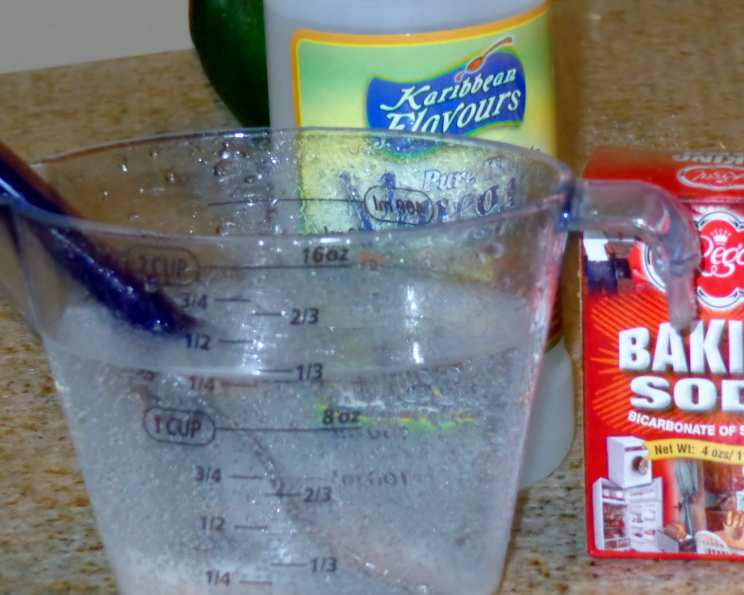
Add 1 cup of water to the baking soda. This helps to create a slurry and prevent clumping when you add the vinegar.
-
Now, very slowly pour the distilled white vinegar into the container. Be prepared for a vigorous fizzing reaction. It’s crucial to add the vinegar gradually to prevent the mixture from overflowing.
-
Once the fizzing subsides (it might take a few minutes), carefully add the remaining 7 cups of water, swirling the container gently to combine everything. This helps to dilute the mixture and ensure it’s ready for use.
-
Finally, if desired, add 10-15 drops of your chosen essential oil. Lemon essential oil provides a clean, fresh scent, but lavender, eucalyptus, or tea tree oil are also great options. Remember to give the bottle a good shake before each use, especially if you’re using essential oils, as they tend to separate.
-
To use the fabric softener, add 1 cup to your washing machine’s final rinse cycle for each load. Always give the bottle a good shake before pouring to redistribute the essential oils, if used.
Expert Tips & Tricks
- The Fizz Factor: The reaction between baking soda and vinegar is what creates the softening effect. Adding the vinegar slowly is key to preventing a volcanic eruption in your kitchen. I like to pour it in over a sink just in case.
- Essential Oil Selection: When choosing essential oils, opt for high-quality, pure oils. Avoid synthetic fragrances, as they can irritate sensitive skin.
- Scent Boost: For a stronger scent, you can add a few drops of essential oil directly to a clean cloth and toss it into the dryer with your clothes.
- Vinegar Smell? Don’t Worry! Don’t fret about the vinegar smell! It completely dissipates during the drying process, leaving behind only the subtle fragrance of your chosen essential oil (or no scent at all if you prefer).
- Hard Water Help: If you have hard water, you might need to increase the amount of fabric softener you use to 1.5 cups per load.
- Fabric Type Matters: While this fabric softener is generally safe for most fabrics, avoid using it on flame-resistant clothing, as it can reduce the effectiveness of the flame retardant.
Serving & Storage Suggestions
This homemade fabric softener doesn’t need any special serving. Just add it directly to your washing machine during the final rinse cycle.
Store the fabric softener in a tightly sealed container at room temperature. It will last indefinitely. The essential oil’s fragrance may fade over time, but the softening properties will remain. No need to refrigerate or freeze.
Nutritional Information
Since this is a laundry product and not food, nutritional information isn’t applicable. However, it’s worth noting that using homemade fabric softener reduces your exposure to potentially harmful chemicals found in commercial products.
Variations & Substitutions
- Herbal Infusion: For a more natural scent, you can infuse the vinegar with herbs like lavender, rosemary, or mint. Simply add a handful of fresh or dried herbs to the vinegar and let it steep for a week or two before using it in the recipe. Strain the vinegar before adding it to the other ingredients.
- Scent-Free Option: If you’re sensitive to scents, simply omit the essential oils. The baking soda and vinegar will still provide excellent softening benefits.
- Borax Boost (Use with Caution): Some people add a tablespoon of borax to this recipe for extra softening power. However, borax can be irritating to some skin types, so use it with caution and research potential sensitivities beforehand. I personally avoid borax in my recipes.
- Vinegar Type: While distilled white vinegar is the standard, you can experiment with other types, such as apple cider vinegar. Keep in mind that apple cider vinegar has a stronger smell that might linger slightly.
FAQs (Frequently Asked Questions)
Q: Why make my own fabric softener when I can buy it at the store?
A: Homemade fabric softener is a cost-effective, eco-friendly alternative to commercial products, allowing you to control the ingredients and avoid harsh chemicals and synthetic fragrances.
Q: Will the baking soda clog my washing machine?
A: No, the small amount of baking soda used in this recipe will dissolve completely in the water and vinegar mixture, so it won’t clog your washing machine.
Q: Is this fabric softener safe for all types of washing machines?
A: Yes, this fabric softener is safe for both standard and high-efficiency (HE) washing machines.
Q: Can I use this on baby clothes?
A: Yes, this fabric softener is gentle enough for baby clothes, especially if you omit the essential oils or use a very mild, baby-safe essential oil like chamomile.
Q: Does this really work as well as store-bought fabric softener?
A: Many people find that this homemade version works just as well, if not better, than store-bought fabric softener. It effectively softens clothes, reduces static cling, and leaves them smelling fresh.
Final Thoughts
Making your own fabric softener might seem like a small thing, but it’s a simple way to reduce your exposure to chemicals, save money, and create a more sustainable household. Don’t be afraid to experiment with different essential oils to find your favorite scent. I encourage you to give this recipe a try and discover the unexpected joy of homemade laundry solutions. And if you do, I’d love to hear about your experience – share your favorite essential oil combinations or any tweaks you’ve made to the recipe!