
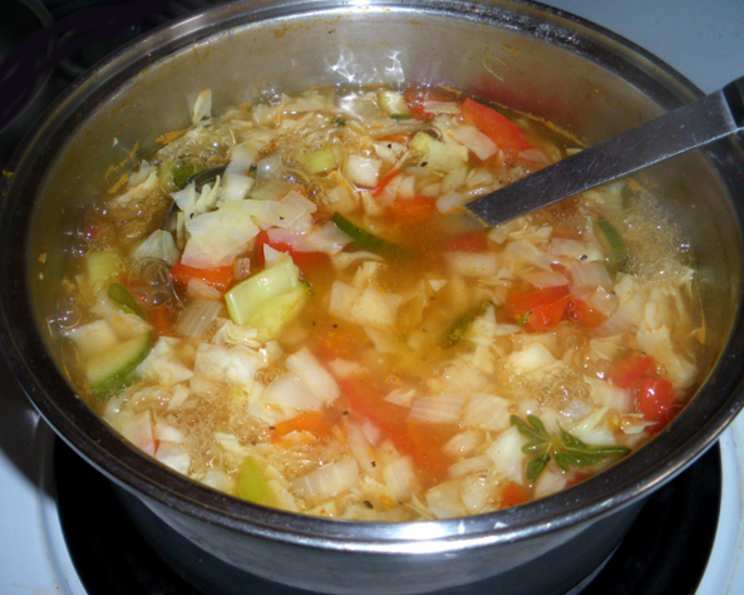
Easy Low Fat, Low Carb Low Cal Diet Soup
Soup has always been my culinary sanctuary, a comforting embrace in a bowl. I remember one particularly brisk autumn evening, returning home after a long day, utterly drained. The refrigerator was nearly bare, but I spotted a lone cucumber, a few sad tomatoes, and the end of a cabbage. I tossed them into a pot with some herbs from my garden, added water and a bouillon cube, and simmered away. The resulting broth, simple yet deeply satisfying, not only warmed me from the inside out but also reminded me of the magic that can be conjured from the humblest of ingredients. That’s the spirit behind this recipe – creating something nourishing and delicious with minimal effort and maximum flexibility.
Recipe Overview
- Prep Time: 15 minutes
- Cook Time: 15-20 minutes
- Total Time: 30-35 minutes
- Servings: 10
- Yield: Approximately 3 liters
- Dietary Type: Low Fat, Low Carb, Low Calorie, Gluten-Free, Vegetarian, Vegan
Ingredients
- 1 large cucumber, peeled (optional) and chopped
- 2 medium tomatoes, chopped
- 1 celery rib, chopped
- 1 medium onion, chopped
- 1/4 head cabbage, shredded
- 1-2 vegetable bouillon cubes (low sodium if desired)
- 1 bay leaf
- Fresh green herbs (such as dill, parsley, and spring onion), chopped, to taste
- 2-3 liters water (about 2-3 quarts)
- Salt, to taste
Equipment Needed
- Large pot or Dutch oven
- Cutting board
- Knife
Instructions
- Begin by bringing the water to a boil in your large pot.
- While the water is heating, prepare the vegetables. Chop the cucumber, tomatoes, celery rib, and onion. Shred the cabbage.
- Once the water is boiling, add the chopped cucumber, tomatoes, celery, onion, and shredded cabbage to the pot.
- Add the vegetable bouillon cube(s) and the bay leaf to the boiling water.
- Reduce the heat to a simmer and cook for approximately 10 minutes, or until the vegetables are tender but still slightly firm.
- Add salt to taste. Remember that bouillon cubes often contain salt, so start with a small amount and adjust as needed.
- Continue to simmer for another 5-10 minutes, allowing the flavors to meld together.
- Remove the pot from the heat. Stir in the chopped fresh green herbs (dill, parsley, and spring onion). The residual heat will release their fragrant oils.
- Remove the bay leaf before serving. It has served its purpose and is not meant to be eaten.
- Ladle into bowls and serve hot.
Expert Tips & Tricks
- Boost the flavor: For a richer flavor, lightly sauté the onion and celery in a teaspoon of olive oil or a spritz of cooking spray before adding them to the boiling water. This helps to caramelize the vegetables and release their natural sweetness.
- Don’t overcook: Be careful not to overcook the vegetables, as they will become mushy. Aim for a slightly firm texture.
- Herb power: Add the fresh herbs at the very end of the cooking process to preserve their vibrant flavor and color.
- Spice it up: If you like a little heat, add a pinch of red pepper flakes or a dash of hot sauce to the soup.
- Acidity: A squeeze of fresh lemon juice or a splash of apple cider vinegar at the end can brighten the flavors of the soup.
- Peeling the cucumber: Peeling the cucumber is optional; the peel contains nutrients and fiber, but some people find it bitter. If your cucumber has a thick or waxy skin, peeling is recommended.
- Customization: Feel free to adjust the amount of water to achieve your desired soup consistency. For a thicker soup, use less water; for a thinner broth, use more.
Serving & Storage Suggestions
Serve this soup hot, garnished with an extra sprinkle of fresh herbs. A dollop of plain Greek yogurt (if not vegan) or a swirl of dairy-free sour cream alternative can add a creamy touch. Crusty bread or whole-wheat crackers make a great accompaniment.
Storage: Allow the soup to cool completely before storing it in an airtight container in the refrigerator. It will keep for up to 3-4 days.
Freezing: This soup freezes well. Transfer the cooled soup to freezer-safe containers or zip-top bags, leaving some space for expansion. It can be frozen for up to 2-3 months. Thaw in the refrigerator overnight before reheating.
Reheating: Reheat the soup on the stovetop over medium heat until heated through. You can also microwave it in a microwave-safe bowl in 1-2 minute intervals, stirring in between.
Nutritional Information
Note: Nutritional information is an estimate and may vary based on specific ingredients and portion sizes.
| Nutrient | Amount per Serving | % Daily Value* |
|---|---|---|
| Calories | ~20-30 kcal | 1-2% |
| Total Fat | <1 g | <1% |
| Saturated Fat | 0 g | 0% |
| Cholesterol | 0 mg | 0% |
| Sodium | ~100-200 mg | 4-9% |
| Total Carbohydrate | ~5 g | 2% |
| Dietary Fiber | ~2 g | 7% |
| Sugars | ~3 g | – |
| Protein | ~1 g | 2% |
- Percent Daily Values are based on a 2,000 calorie diet.
Variations & Substitutions
- Vegetable Variety: This soup is incredibly versatile. Substitute any vegetables you like based on your preferences or what you have on hand. Good options include: broccoli, spinach, cauliflower, beets, zucchini, green beans, bell peppers, or mushrooms.
- Spice Level: Adjust the heat by adding a pinch of red pepper flakes or a small chili pepper, finely chopped.
- Protein Boost: Add cooked chickpeas, lentils, or white beans for a heartier, more protein-rich soup.
- Grain Addition: Stir in cooked quinoa, brown rice, or barley for added fiber and nutrients. Add these in the last 5 minutes of cooking.
- Herb Variations: Experiment with different herbs such as basil, oregano, thyme, or rosemary.
- Broth Enhancement: Use homemade vegetable broth or bone broth (if not vegetarian/vegan) instead of water for a richer flavor.
FAQs (Frequently Asked Questions)
Q: Can I use frozen vegetables in this soup?
A: Absolutely! Frozen vegetables are a convenient and nutritious option. Add them directly to the boiling water without thawing. They might slightly increase the cooking time.
Q: How can I make this soup even lower in sodium?
A: Use low-sodium or no-sodium vegetable bouillon cubes. You can also make your own vegetable broth from scratch, which allows you to control the sodium content.
Q: Is it necessary to peel the cucumber?
A: No, peeling the cucumber is optional. The peel contains nutrients and fiber. However, if the cucumber has a thick or waxy skin, peeling may be preferred.
Q: Can I use dried herbs instead of fresh herbs?
A: Yes, you can use dried herbs, but keep in mind that they have a more concentrated flavor than fresh herbs. Use about 1 teaspoon of dried herbs for every tablespoon of fresh herbs. Add dried herbs earlier in the cooking process to allow their flavors to develop.
Q: How can I thicken this soup without adding flour or cream?
A: You can thicken the soup by pureeing a portion of it with an immersion blender or regular blender before returning it to the pot. Alternatively, you can add a small amount of blended cooked white beans or lentils.
Final Thoughts
This simple yet flavorful soup is a testament to the power of fresh ingredients and mindful cooking. It’s incredibly adaptable, making it easy to tailor to your taste preferences and dietary needs. Whether you’re looking for a light and healthy meal, a way to use up leftover vegetables, or a comforting bowl of goodness on a chilly day, this recipe is sure to deliver. So, gather your ingredients, embrace the process, and enjoy the satisfying results. I encourage you to experiment with different vegetables and herbs to create your own unique variations. Don’t be afraid to share your feedback and culinary creations! Perhaps a side of whole-grain toast with a light spread would complete this simple, healthy meal.