
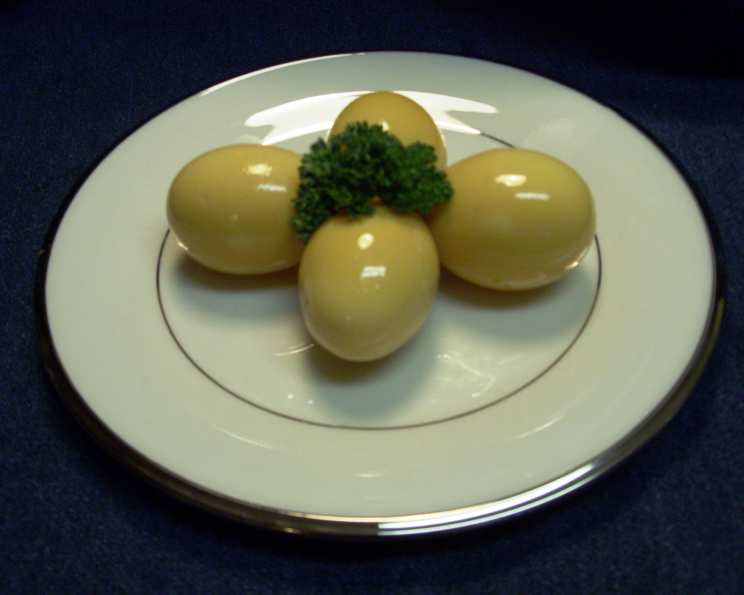
Easy Mustard Pickled Eggs: A Culinary Throwback with a Tangy Twist
My grandmother, bless her heart, had a peculiar obsession with pickled everything. From beets to cucumbers, if it could be submerged in vinegar and spices, it was fair game. While I initially wrinkled my nose at the thought of vinegary vegetables, her pickled eggs were a different story. The bright yellow hue, the satisfyingly firm texture, and that tangy mustard bite – it was a snack that inexplicably grew on me. Now, decades later, I find myself craving that unique flavor, a taste of my childhood and a reminder of my grandmother’s quirky culinary prowess. These Easy Mustard Pickled Eggs are a simplified version of her original recipe, bringing that nostalgic taste to your table with minimal effort.
Recipe Overview
- Prep Time: 20 minutes
- Cook Time: 10 minutes
- Total Time: 48 hours 30 minutes (includes chilling time)
- Servings: 8
- Yield: 8 eggs
- Dietary Type: Gluten-Free
Ingredients
- 8 hard-boiled eggs, peeled and cooled
- 1 ½ cups cider vinegar
- 1 cup white sugar
- 1 tablespoon fresh minced onion
- 2 tablespoons mustard powder
- 2 teaspoons garlic powder
- ½ teaspoon salt
- 2-3 drops yellow food coloring (optional)
Equipment Needed
- Saucepan
- Non-metal bowl or jar with lid
Instructions
-
Gently place the peeled eggs in a non-metal bowl or a clean glass jar. Using a non-metal container is important as the vinegar can react with metal, altering the flavor and color of the eggs.
-
In a saucepan over medium heat, combine the cider vinegar, white sugar, minced onion, mustard powder, garlic powder, salt, and yellow food coloring (if using). The food coloring is purely for aesthetics, giving the eggs a more vibrant yellow color reminiscent of classic pickled eggs.
-
Stir the mixture continuously until the sugar dissolves completely. Bringing the mixture to a gentle simmer ensures the flavors meld together beautifully.
-
Bring the vinegar mixture just to a simmer, stirring occasionally. Do not boil the mixture, as this can affect the texture and flavor of the final product.
-
Carefully pour the hot vinegar mixture over the eggs, ensuring they are fully submerged. Submerging the eggs completely is essential for even pickling.
-
Allow the eggs to cool completely at room temperature. Cooling them down before refrigerating prevents condensation from forming inside the container.
-
Cover the bowl or jar tightly with a lid and chill in the refrigerator for at least 48 hours to allow the flavors to fully develop. The longer the eggs sit in the brine, the more intense the flavor will be. For the best results, I recommend letting them pickle for at least 3 days.
Expert Tips & Tricks
- Hard-Boiling Perfection: For perfectly cooked hard-boiled eggs without the dreaded green ring, start with older eggs (a week or two old). Place them in a saucepan with cold water, bring to a boil, then immediately remove from heat, cover, and let sit for 12 minutes. Transfer to an ice bath to stop the cooking process and make peeling easier.
- Spice It Up: Feel free to customize the brine with your favorite spices. A pinch of red pepper flakes adds a kick, while a bay leaf or some peppercorns can add depth of flavor.
- Onion Infusion: For a milder onion flavor, soak the minced onion in cold water for 10 minutes before adding it to the brine. This helps to remove some of the sharpness.
- Flavor Check: After the eggs have been chilling for 24 hours, taste the brine and adjust the seasonings if needed. Add more sugar for sweetness or vinegar for tanginess, according to your preference.
Serving & Storage Suggestions
These Easy Mustard Pickled Eggs are a fantastic addition to any picnic, potluck, or snack platter. Serve them chilled, either whole or sliced, alongside crackers, cheese, or your favorite charcuterie. They also make a surprisingly delicious addition to salads or deviled egg preparations.
Store leftover pickled eggs in the refrigerator, submerged in the brine, for up to 2 weeks. The pickling process helps to preserve the eggs, but it’s always best to consume them within a reasonable timeframe for optimal flavor and texture. While technically safe to eat longer, the texture may become rubbery over time. Freezing pickled eggs is not recommended as it will drastically alter the texture.
Nutritional Information
Note: Nutritional information is an estimate and may vary based on specific ingredients and portion sizes.
| Nutrient | Amount per Serving | % Daily Value |
|---|---|---|
| Calories | 200 kcal | 10% |
| Total Fat | 7g | 9% |
| Saturated Fat | 2g | 10% |
| Cholesterol | 215mg | 72% |
| Sodium | 220mg | 9% |
| Total Carbohydrate | 28g | 10% |
| Dietary Fiber | 1g | 4% |
| Sugars | 27g | — |
| Protein | 7g | 14% |
Variations & Substitutions
- Spicy Pickled Eggs: Add 1-2 finely chopped jalapeños or a teaspoon of red pepper flakes to the brine for a fiery kick.
- Dill Pickled Eggs: Add 2 tablespoons of dried dill or ¼ cup of fresh chopped dill to the brine for a classic dill pickle flavor.
- Beet Pickled Eggs: Add ½ cup of beet juice to the brine for a beautiful pink hue and a slightly earthy flavor. Be sure to reduce the amount of cider vinegar by ½ cup to compensate for the added liquid.
- Sweet and Sour Pickled Eggs: Substitute half of the white sugar with brown sugar for a richer, more complex sweetness.
- Vinegar Variation: While cider vinegar is the classic choice, you can experiment with other vinegars, such as white vinegar or rice vinegar, for a slightly different flavor profile. Keep in mind that the acidity levels vary between vinegars, so you may need to adjust the amount of sugar accordingly.
FAQs (Frequently Asked Questions)
Q: How long do pickled eggs last in the refrigerator?
A: When stored properly in the brine, pickled eggs can last up to 2 weeks in the refrigerator.
Q: Can I use different types of vinegar for pickling eggs?
A: Yes, you can experiment with different vinegars like white vinegar or rice vinegar, but be mindful of the acidity levels as they can affect the flavor and preservation.
Q: Can I add other spices to the pickling brine?
A: Absolutely! Feel free to customize the brine with your favorite spices, such as peppercorns, bay leaves, or red pepper flakes.
Q: Why do my pickled eggs have a rubbery texture?
A: Overcooking the eggs or pickling them for too long can result in a rubbery texture. Make sure to cook the eggs perfectly and don’t pickle them for more than 2 weeks.
Q: Can I freeze pickled eggs?
A: Freezing pickled eggs is not recommended, as it will drastically change the texture and make them unappetizing.
Final Thoughts
These Easy Mustard Pickled Eggs are a simple yet satisfying snack that’s sure to bring a tangy twist to your day. Whether you’re a seasoned pickling enthusiast or a curious beginner, this recipe is a great starting point for exploring the world of homemade pickled delights. Don’t be afraid to experiment with different spices and flavors to create your own unique version. So, gather your ingredients, get pickling, and enjoy the delicious results! And if you try the recipe, be sure to share your feedback and any creative variations you come up with. These pickled eggs pair perfectly with a crisp, cold beer or a refreshing glass of lemonade!