
Effortless Embers: The Ultimate Guide to No-Cost Fire Starters
As a child, my grandfather, a seasoned outdoorsman, would always say, “A warm fire is a happy heart.” He could coax a flame from seemingly nothing, often with materials gathered right from the forest floor. I, on the other hand, inherited his love for a crackling hearth but not his innate fire-starting skills. Many an evening was spent puffing and fuming, battling damp kindling and stubborn logs, until I stumbled upon this ingenious method. Now, I can confidently build a roaring fire with minimal effort, thanks to these simple, practically free fire starters. They’re not just convenient; they’re a little bit of my grandfather’s resourcefulness, passed down through generations.
Recipe Overview:
- Prep Time: 5 minutes
- Cook Time: 0 minutes
- Total Time: 5 minutes
- Servings: Varies
- Yield: Varies
- Dietary Type: Vegan
Ingredients:
- Empty toilet paper rolls (or paper towel rolls, cut into smaller sections)
- Dryer lint
Equipment Needed:
- Your hands
- A container to store the fire starters (optional)
Instructions:
-
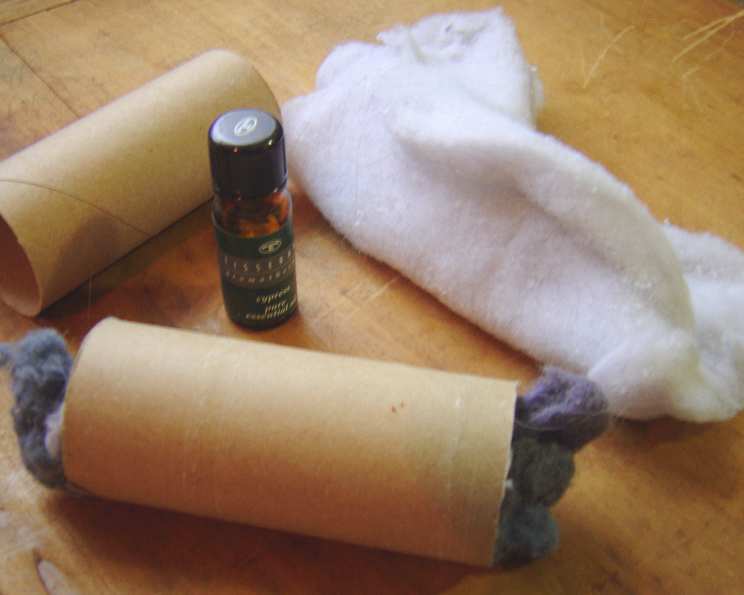
Gather your materials: Start by collecting your used empty toilet paper rolls. You can also use paper towel rolls, cut into smaller sections to resemble toilet paper rolls. Save the lint from your clothes dryer after each load. The more lint, the more fire starters you can make!
-
Stuff the rolls: Take a generous handful of dryer lint and begin stuffing it into one end of a toilet paper roll. Continue adding lint, packing it in firmly but not too tightly. You want the air to be able to circulate a bit to allow for combustion.
-
Repeat: Keep stuffing until the toilet paper roll is completely filled with lint. Pack the ends firmly to prevent the lint from falling out.
-
Storage (optional): Store your finished fire starters in a dry place until you’re ready to use them. A cardboard box, plastic bin, or even a large zip-top bag works perfectly.
-
Using the fire starters: When you’re ready to build a fire, place one or two of these lint-filled rolls under your logs or kindling. Light the edge of the toilet paper roll. The lint will catch quickly and burn steadily, providing a robust flame to ignite your wood.
Expert Tips & Tricks:
- Enhance the burn: For an even longer burn time, consider dipping the finished rolls in melted paraffin wax (use caution and proper ventilation when working with wax). Allow the wax to cool and harden completely before using.
- Scented starters: Add a few drops of essential oil (such as pine or cedarwood) to the dryer lint before stuffing it into the rolls for a subtly scented fire.
- Larger fires: For larger fires, use two or more of these fire starters, placed strategically under the woodpile.
- Vary the density: Experiment with how tightly you pack the lint into the rolls. A looser pack allows for faster ignition, while a tighter pack provides a longer, slower burn.
- Candle stubs: Along with dryer lint, add small bits of candle stubs to your fire starters. The wax will help sustain the flame for even longer.
- Cotton balls and petroleum jelly: For a more intense and longer-lasting flame, consider dabbing cotton balls with petroleum jelly and stuffing them in the paper roll. The petroleum jelly creates a highly flammable mixture.
Serving & Storage Suggestions:
These fire starters are not for consumption! Store them in a dry, safe place away from open flames and flammable materials. They can be stored indefinitely, as long as they remain dry. When ready to use, simply place under your kindling and ignite. No preheating or special preparation is required.
Nutritional Information:
As these are not edible, there is no nutritional information to provide. However, they contribute to a warm and cozy atmosphere, which has immeasurable positive benefits!
Variations & Substitutions:
- Cardboard egg cartons: Cut up a cardboard egg carton and fill each cup with lint. Pour melted wax over the lint to create individual fire starter cups.
- Pinecones: Stuff dryer lint into the scales of a pinecone for a rustic and natural fire starter. You can also dip the entire pinecone in melted wax.
- Sawdust and wax: Mix sawdust with melted wax, let cool and harden, then break into chunks for effective fire starters.
- Cotton pads: Instead of dryer lint, saturate cotton pads with petroleum jelly and tuck them into the cardboard rolls.
FAQs (Frequently Asked Questions):
Q: Why use dryer lint as a fire starter?
A: Dryer lint is readily available, highly flammable, and essentially free. It’s a great way to repurpose a byproduct of doing laundry.
Q: Will these fire starters work in damp conditions?
A: They work best when dry, but the cardboard roll and tightly packed lint can offer some protection from moisture. If you expect damp conditions, consider dipping the rolls in wax for extra protection.
Q: Are these fire starters safe to use in a fireplace?
A: Yes, they are safe when used properly. Ensure they are placed securely under the kindling and away from any flammable materials. Never leave a fire unattended.
Q: How many fire starters should I use per fire?
A: It depends on the size of your fire and the type of wood you’re using. For a small fire with dry kindling, one fire starter may be sufficient. For larger fires or damp wood, use two or more.
Q: Can I use scented dryer sheets in the lint?
A: While you can, it’s generally not recommended. Scented dryer sheets may contain chemicals that release unpleasant odors or potentially harmful fumes when burned. Unscented dryer lint is the safest and most natural option.
Final Thoughts:
These no-cost fire starters are more than just a practical solution; they’re a testament to resourcefulness and a connection to simpler times. By transforming everyday waste into a valuable tool, you’re not only making fire-starting easier but also contributing to a more sustainable lifestyle. So, gather your lint and toilet paper rolls, get creative, and enjoy the warmth and satisfaction of a fire built with your own two hands. Share your creations with friends and family, and pass on this handy tip for generations to come. Don’t be afraid to experiment with different variations and let me know what works best for you! Happy fire-building!