
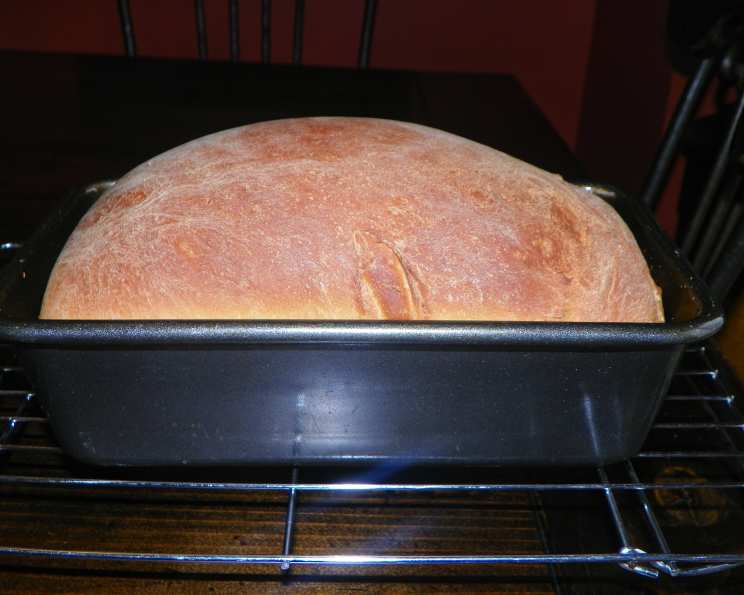
Easy & Quick Amish Bread: A Taste of Simplicity
The scent of baking bread always brings me back to my grandmother’s kitchen. She wasn’t Amish, but she had that same knack for turning simple ingredients into something truly special. I remember sneaking into the kitchen before anyone else was awake, drawn by the warmth and that yeasty aroma, and Grandma would always have a slice waiting for me, slathered with homemade butter. That first bite, still warm, was pure comfort. This Amish Bread recipe, with its straightforward steps and incredible flavor, reminds me so much of those cherished mornings – a reminder that the best things in life are often the simplest.
Recipe Overview
- Prep Time: 20 minutes
- Cook Time: 30-35 minutes
- Total Time: 1 hour 50 minutes to 2 hours 5 minutes (including rising time)
- Servings: 24
- Yield: 2 loaves
- Dietary Type: Vegetarian
Ingredients
- 2 cups warm water, 105-115 F degrees
- ⅔ cup sugar
- 1 ½ tablespoons active dry yeast
- 1 – 1 ½ teaspoons salt
- ¼ cup vegetable oil or ¼ cup unsalted butter, melted
- 6 cups bread flour (white bleached works fine)
Equipment Needed
- Mixer with a dough hook (optional)
- Large mixing bowl
- Measuring cups and spoons
- Two 9×5 inch bread pans
- Damp cloth/towel
- Well-floured surface
Instructions
- If using a mixer, attach the dough hook. You can also mix by hand if you don’t have a mixer.
- In your mixer bowl (or a large mixing bowl), pour the warm water and sugar. Stir until the sugar is dissolved.
- Stir in the active dry yeast and allow it to proof until it gets to a creamy, foamy state. This should take about 5-10 minutes, depending on how warm the water is.
- Once the yeast has proofed, mix in the oil (or melted butter) and salt.
- Gradually mix in the bread flour, 1 cup at a time. After all 6 cups of flour have been mixed in, the dough will still be a little sticky. Do not add more flour to the mixer at this point.
- Turn the dough out onto a well-floured surface and knead until smooth.
- Place the dough in a well-oiled bowl and turn the dough to coat it with oil.
- Cover the bowl with a damp cloth/towel and allow the dough to rise in a warm place until it has doubled in size. This should take about 1 hour. A slightly warmed oven (turned off!) is an ideal place for this.
- After the dough has doubled, punch down the center and turn it out onto your floured surface again. Knead for a few minutes, then divide the dough in half and shape into loaves.
- Place the two loaves in well-oiled bread pans and let them rise a second time for about 30-45 minutes, until the dough rises about 1-2 inches above the pans. If you happen to forget about them and they rise higher, it won’t hurt anything; you’ll just have a bigger loaf. Proofing them in a slightly warmed oven (then turning the heat on) also works well.
- Bake at 350 degrees F (175 degrees C) for 30-35 minutes. The loaves should be golden brown on top, and sound hollow when tapped.
- Remove from oven and let cool slightly before slicing.
Expert Tips & Tricks
- Proofing the Yeast: Ensure your water is at the correct temperature (105-115°F) to activate the yeast properly. If the water is too hot, it will kill the yeast; too cold, and it won’t activate. A simple kitchen thermometer will ensure accuracy.
- Sticky Dough: Don’t be tempted to add more flour to the dough while it’s in the mixer. The stickiness is crucial for a soft, airy crumb. Trust the process!
- Second Rise: Don’t rush the second rise. Allowing the dough to rise properly the second time is essential for a light and fluffy texture.
- Oven Placement: Place the bread pans in the center of the oven for even baking.
- Doneness Test: If you’re unsure if the bread is done, insert a wooden skewer into the center. If it comes out clean, the bread is ready.
Serving & Storage Suggestions
This Amish bread is delicious served warm with butter, jam, or honey. It’s also excellent for sandwiches, toast, or as a side to soups and stews.
- Room Temperature: Store cooled loaves in an airtight container or bread bag at room temperature for up to 3 days.
- Refrigerator: For longer storage, store the bread in the refrigerator for up to a week.
- Freezer: To freeze, wrap the loaf tightly in plastic wrap, then in foil, and freeze for up to 2 months. Thaw at room temperature before serving.
- Reheating: To reheat, wrap the bread in foil and bake at 350°F (175°C) for 10-15 minutes, or until warmed through. You can also toast individual slices.
Nutritional Information
| Nutrient | Amount per Serving | % Daily Value |
|---|---|---|
| Calories | 157.8 kcal | N/A |
| Calories from Fat | 23 g | 15% |
| Total Fat | 2.6 g | 4% |
| Saturated Fat | 0.3 g | 1% |
| Cholesterol | 0 mg | 0% |
| Sodium | 98.5 mg | 4% |
| Total Carbohydrate | 29.7 g | 9% |
| Dietary Fiber | 1.1 g | 4% |
| Sugars | 5.6 g | 22% |
| Protein | 3.5 g | 7% |
Note: Nutritional information is an estimate and may vary based on specific ingredients and portion sizes.
Variations & Substitutions
- Whole Wheat Amish Bread: Substitute up to 3 cups of the bread flour with whole wheat flour for a nuttier flavor and increased fiber.
- Herb-Infused Bread: Add 1-2 tablespoons of your favorite dried herbs (such as rosemary, thyme, or oregano) to the dough along with the salt.
- Sweet Amish Bread: Add 1/2 cup of raisins or dried cranberries to the dough for a touch of sweetness.
- Dairy-Free: If using butter, substitute with the same amount of vegetable oil to make it dairy-free.
FAQs (Frequently Asked Questions)
Q: Can I use instant yeast instead of active dry yeast?
A: Yes, you can. Use the same amount of instant yeast, but you don’t need to proof it in the water first. Just add it directly to the dry ingredients.
Q: Why is my bread dense and not fluffy?
A: This could be due to several factors, including using water that was too hot or too cold, not kneading the dough enough, or not allowing the dough to rise for a sufficient amount of time.
Q: Can I make this bread without a mixer?
A: Absolutely! Simply mix the ingredients in a large bowl and knead the dough by hand on a floured surface until smooth.
Q: How do I know if my bread is done baking?
A: The bread should be golden brown on top and sound hollow when tapped. You can also insert a wooden skewer into the center; if it comes out clean, the bread is done.
Q: What if my dough doesn’t rise?
A: Ensure your yeast is fresh and that the water is at the correct temperature. Also, make sure the rising environment is warm and draft-free.
Final Thoughts
This Easy & Quick Amish Bread recipe is a wonderful way to bring the simple joys of homemade baking into your kitchen. Its straightforward steps and minimal ingredients make it accessible to bakers of all skill levels. I encourage you to give it a try, experiment with different variations, and share the warmth and deliciousness of freshly baked bread with your loved ones. Perhaps serve it with a hearty bowl of tomato soup for a truly comforting meal! Happy baking!