
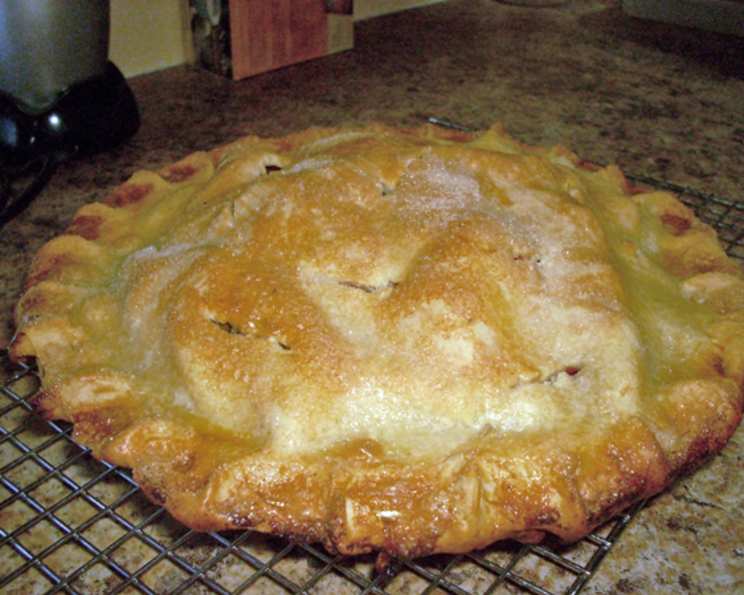
The Magic of Spelt: Crafting an Easy Vegan Pie Crust
My grandmother, bless her heart, wasn’t vegan, or even vegetarian. But she was a firm believer in simple, wholesome ingredients. I remember standing beside her, perched on a wobbly stool, watching her effortlessly transform flour, water, and a touch of magic (or so it seemed) into the most comforting pie crust imaginable. The aroma of those baking pies – apple, cherry, even a savory pot pie now and then – filled the kitchen with warmth and love. While her recipe wasn’t vegan, this easy vegan spelt pie crust captures that same rustic charm and wholesome goodness, proving that plant-based baking can be just as comforting and delicious. This recipe is a tribute to those memories, adapted for a modern, compassionate kitchen.
Recipe Overview
- Prep Time: 15 minutes
- Cook Time: Varies based on pie filling
- Total Time: Varies based on pie filling; approximately 30 minutes without filling
- Servings: 8
- Yield: 2 9-inch pie crusts
- Dietary Type: Vegan
Ingredients
- 3 cups spelt flour (not sprouted)
- 1 teaspoon sea salt
- ½ cup soymilk (other non-dairy milk can be used, such as almond or oat milk)
- ½ cup light oil (such as canola, sunflower, or light olive oil)
Equipment Needed
- Food processor
- Measuring cups and spoons
- Whisk
- Large plastic sheet or waxed paper
- Rolling pin
- 9-inch pie pan(s)
- Fork
Instructions
- Begin by combining the dry ingredients. In a food processor, add the 3 cups of spelt flour and 1 teaspoon of sea salt.
- Process the flour and salt mixture for about a minute to ensure they are thoroughly incorporated. This even distribution is key for a consistent crust texture.
- In a separate cup, combine the wet ingredients. Mix the ½ cup of non-dairy milk and ½ cup of light oil. Use a whisk to emulsify the mixture, ensuring the oil and milk are well combined.
- With the food processor running, slowly drizzle the milk-oil mixture through the feeding tube and into the flour mixture. Pulse until the dough starts to form large crumbles. This gradual addition prevents over-mixing.
- Stop the food processor and feel the dough. The texture should be neither sticky nor dry. It should feel slightly oily and hold together when pressed. It’s crucial not to overwork the dough at this stage; excessive handling can lead to a tough crust.
- Once the dough reaches the right consistency, remove the dough crumbles from the food processor and place them onto a prepared surface. A large plastic sheet or waxed paper works well for rolling out the dough. Avoid using a floured surface, as it can dry out the dough.
- Shape the dough into a disc and cut it in half. Each half will form one 9-inch pie crust.
- Reshape the first piece of dough into a disc again and begin to roll it out. A helpful technique is to wrap the dough around your rolling pin and then unroll it directly onto the pie pan.
- Carefully position the dough into the pie pan. Avoid stretching the dough, as this can cause it to shrink during baking. Gently press the dough into the bottom and sides of the pan.
- Prick the sides and bottom of the crust with a fork. This prevents the crust from puffing up unevenly during baking.
- Now, fill the pie with your desired vegan filling.
- Roll out the second disc of dough to create the top crust. Place it over the filling.
- Flute the edges of the pie crust using a fork or your fingers to create a decorative and sealed edge. Trim any excess dough around the edges.
- Brush the top crust with some non-dairy milk for a golden-brown finish.
- Cut slits in the top crust to allow steam to escape during baking. This prevents the crust from becoming soggy.
- Bake according to the specific instructions of your pie filling recipe. The baking time and temperature will vary depending on the type of pie you are making. Typically, a blind-baked crust will require around 15-20 minutes at 375°F (190°C), while a filled pie may need 45-60 minutes.
- Once the pie is baked, remove it from the oven and let it cool completely before serving.
Expert Tips & Tricks
- Cold Ingredients are Key: Using cold oil and non-dairy milk is crucial for preventing the gluten in the spelt flour from developing too much. This results in a more tender and flaky crust. Consider chilling the flour and oil in the freezer for 15 minutes before starting.
- Don’t Overmix: Overmixing is the enemy of a good pie crust. Be gentle with the dough and avoid processing it for too long. The dough should come together just enough to form a shaggy mass.
- Blind Baking: For pies with wet fillings, blind baking the crust is recommended. To do this, line the unbaked crust with parchment paper and fill it with pie weights or dried beans. Bake for 15-20 minutes, then remove the weights and parchment and bake for another 5-10 minutes until golden brown.
- Preventing a Soggy Bottom Crust: Brushing the bottom crust with a thin layer of melted vegan butter or aquafaba before adding the filling can help create a barrier and prevent a soggy bottom crust.
- Patching Cracks: If any cracks appear in the crust during rolling or baking, simply moisten the area with a little water and gently press the dough back together.
Serving & Storage Suggestions
Serve your delicious vegan spelt pie slightly warm or at room temperature. A scoop of vegan ice cream or a dollop of whipped coconut cream makes a wonderful addition.
Store leftover pie in an airtight container in the refrigerator for up to 3 days. You can also freeze individual slices for longer storage. To reheat, bake the pie in a preheated oven at 350°F (175°C) until warmed through, or microwave individual slices for a quick treat.
Nutritional Information
| Nutrient | Amount per Serving (estimated) | % Daily Value* |
|---|---|---|
| Calories | 250 kcal | 13% |
| Total Fat | 15g | 23% |
| Saturated Fat | 1.5g | 8% |
| Cholesterol | 0mg | 0% |
| Sodium | 150mg | 7% |
| Total Carbohydrate | 25g | 9% |
| Dietary Fiber | 3g | 12% |
| Sugars | 1g | |
| Protein | 5g | 10% |
*Percent Daily Values are based on a 2,000 calorie diet. Your daily values may be higher or lower depending on your calorie needs. Please note that this is an estimate and will vary depending on the specific ingredients used and the filling.
Variations & Substitutions
- Gluten-Free Version: While spelt flour isn’t gluten-free, you can adapt the recipe using a gluten-free flour blend specifically designed for baking. Look for blends that contain xanthan gum for binding.
- Different Non-Dairy Milk: Experiment with different non-dairy milks to find your favorite flavor. Almond milk adds a subtle nutty flavor, while oat milk can contribute a creamier texture.
- Herbed Crust: For savory pies, incorporate fresh herbs like rosemary, thyme, or sage into the dough for an added layer of flavor. Add about 1-2 tablespoons of finely chopped herbs to the flour mixture.
- Sweetened Crust: For sweeter pies, add 1-2 tablespoons of granulated sugar or maple syrup to the flour mixture.
- Coconut Oil Crust: Replace the light oil with melted coconut oil for a subtly coconutty flavor.
FAQs (Frequently Asked Questions)
Q: Can I make the dough ahead of time?
A: Absolutely! The dough can be made up to 2 days in advance and stored in the refrigerator, wrapped tightly in plastic wrap. Allow it to soften slightly before rolling.
Q: Can I freeze the pie crust?
A: Yes, you can freeze the unbaked pie crust for up to 2 months. Wrap it tightly in plastic wrap and then in foil. Thaw in the refrigerator overnight before using.
Q: Why is my crust tough?
A: Overmixing is the most common cause of a tough crust. Be gentle with the dough and avoid processing it for too long.
Q: My crust shrinks when baking. What am I doing wrong?
A: Stretching the dough when placing it in the pie pan can cause it to shrink during baking. Avoid stretching the dough and allow it to relax before baking.
Q: Can I use sprouted spelt flour?
A: No, using sprouted spelt flour is not recommended for this recipe. Sprouted flour has a different texture and moisture content, which can affect the outcome of the crust.
Final Thoughts
This easy vegan spelt pie crust is a blank canvas for your culinary creativity. Whether you’re making a classic apple pie, a decadent chocolate pie, or a savory vegetable pot pie, this crust will provide the perfect foundation for your plant-based masterpiece. Don’t be afraid to experiment with different fillings, flavors, and decorations to create a pie that’s uniquely your own. Share your creations with friends and family, and let them experience the magic of a homemade vegan pie. Happy baking!