
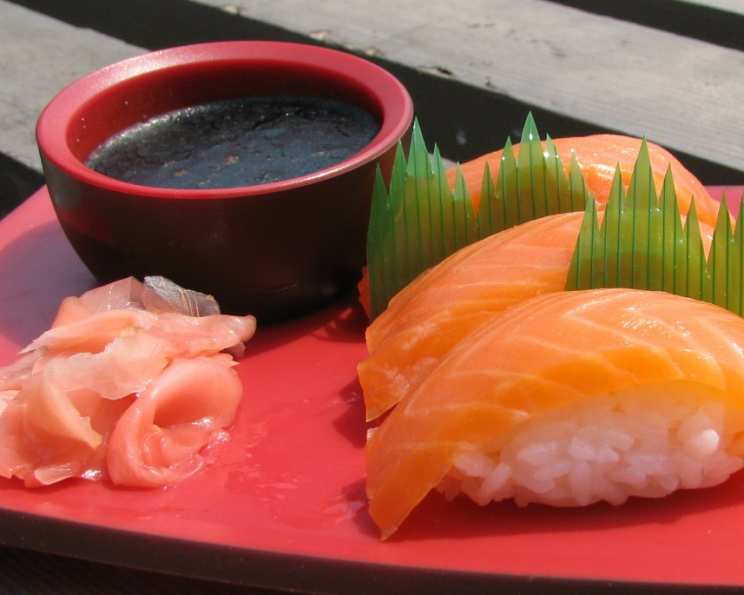
Ebi Nigiri: A Taste of the Ocean
The first time I had Ebi Nigiri, I was a wide-eyed culinary student in Tokyo, overwhelmed by the sheer artistry of Japanese cuisine. I remember sitting at a tiny sushi counter, the chef, a man with hands as weathered as driftwood, placing a perfect piece of nigiri before me. The vibrant orange of the shrimp, glistening against the pearly white rice, was mesmerizing. The first bite was an explosion of delicate sweetness, the firm yet yielding texture of the shrimp perfectly complementing the slightly vinegary rice. It was a moment that ignited my passion for sushi, and Ebi Nigiri has remained a personal favorite ever since.
Recipe Overview
- Prep Time: 15 minutes
- Cook Time: 3 minutes
- Total Time: 18 minutes
- Servings: 5
- Yields: 5 pieces
- Dietary Type: Gluten-Free (if using gluten-free soy sauce)
Ingredients
- 5 jumbo shrimp, raw and unpeeled
- 3 quarts water
- 1 cup rice vinegar
- 5 tablespoons sushi rice, already cooked and cooled
Equipment Needed
- Large pot
- Bamboo skewers
- Sharp knife
- Cutting board
- Small bowl for water-vinegar mixture
Instructions
- Prepare the Shrimp: Begin by removing the head of each shrimp.
- Skewer the Shrimp: Insert a long bamboo skewer through the middle of each shrimp, starting from the top (where the head was) and working it through towards the tail.
- Flatten the Tail: Use your thumb to gently press and flatten the center of the tail section of each shrimp. This creates more space for the skewer to exit and helps the shrimp lie flat later.
- Prepare the Boiling Liquid: In a large pot, combine the 3 quarts of water and 1 cup of rice vinegar. Bring this mixture to a rolling boil. The rice vinegar not only flavors the shrimp but also helps to tenderize it.
- Cook the Shrimp: Once the water is boiling, carefully add the skewered shrimp to the pot. Cover the pot immediately.
- Infuse and Cool: Remove the pot from the heat and let it stand, covered, for exactly 3 minutes. This gentle cooking method ensures the shrimp is perfectly cooked without becoming rubbery.
- Cool and Peel: Remove the shrimp from the pot and let them cool to room temperature. Once cooled, peel the shrimp, leaving the tail end intact if desired for presentation.
- Butterfly the Shrimp: Use the point of a sharp knife to carefully slit open the stomach side of each shrimp from the top to bottom. Be careful not to cut all the way through the back of the shrimp.
- Flatten the Shrimp: Gently open the shrimp along the slit you just made and flatten it out into a butterfly shape. This allows it to sit nicely on top of the sushi rice. Repeat with the remaining shrimp.
- Prepare Hand-Dipping Water: In a small bowl, mix a small amount of water and rice vinegar. This mixture will be used to moisten your hands, preventing the rice from sticking. The ratio isn’t critical; just a splash of rice vinegar in the water will do.
- Form the Nigiri: Moisten your hands in the water-vinegar mix. Pick up approximately 1 tablespoon of cooked and cooled sushi rice in your right hand.
- Shape the Rice: Gently squeeze the rice into a small, oblong, rectangular shape. Aim for a firm but not compacted texture. This requires a delicate touch – too much pressure will result in dense, unpleasant nigiri.
- Combine Shrimp and Rice: Pick up a butterflied shrimp in your left hand. Bring the rice ball to the shrimp.
- Press and Shape: Use the thumb and forefinger of your right hand to gently press in the sides of the nigiri, while using the thumb of your left hand to press it down at the bottom (of the upside down nigiri).
- Final Shaping: Use your right hand to turn the pressed nigiri over in your left hand. Use the thumb and forefinger to press in the sides, and two fingers of your right hand to gently press the shrimp and rice together on the top side. The goal is to create a cohesive piece where the shrimp and rice are firmly attached but the rice remains light and airy.
- Optional Nori Strip: For a beautiful finishing touch, you can slice a thin strip of nori seaweed and wrap it around the middle of the Ebi Nigiri, securing the shrimp to the rice. This also adds a subtle savory note.
- Serve: Serve immediately with traditional sushi accompaniments such as soy sauce, wasabi, and pickled ginger.
Expert Tips & Tricks
- Shrimp Quality: Use the freshest, highest-quality jumbo shrimp you can find. The flavor of the shrimp is paramount in Ebi Nigiri.
- Don’t Overcook: Pay close attention to the cooking time for the shrimp. Overcooking will result in tough, rubbery shrimp. The 3-minute steeping time is crucial for achieving a perfect texture.
- Rice Temperature: Ensure the sushi rice is cooled to room temperature before forming the nigiri. Warm rice will be difficult to handle and won’t hold its shape as well.
- Hand Moisture: Keep your hands consistently moist with the water-vinegar mixture. This prevents the rice from sticking and allows you to shape it easily.
- Gentle Pressure: Use a gentle touch when shaping the rice. Avoid squeezing it too tightly, as this will compress the grains and result in a dense, unpleasant texture.
- Make Ahead: The sushi rice can be made ahead of time and stored in an airtight container at room temperature for a few hours. However, the shrimp should be cooked and prepared just before serving to ensure optimal freshness.
Serving & Storage Suggestions
Ebi Nigiri is best served immediately after preparation. The flavors and textures are at their peak when the shrimp is fresh and the rice is still slightly warm. Arrange the nigiri on a plate with a small dish of soy sauce, a dollop of wasabi, and a few slices of pickled ginger.
Leftover Ebi Nigiri is not recommended to be stored for extended periods. If you have leftovers, store them in an airtight container in the refrigerator and consume them within a few hours. The texture of the rice will change upon refrigeration, becoming harder and less appealing. It is not recommended to freeze Ebi Nigiri.
Nutritional Information
| Nutrient | Amount per Serving | % Daily Value |
|---|---|---|
| Calories | 61 kcal | – |
| Calories from Fat | 3 g | 5% |
| Total Fat | 0.3 g | 0% |
| Saturated Fat | 0 g | 0% |
| Cholesterol | 35.3 mg | 11% |
| Sodium | 176.3 mg | 7% |
| Total Carbohydrate | 9.3 g | 3% |
| Dietary Fiber | 0.3 g | 1% |
| Sugars | 0 g | 0% |
| Protein | 4.6 g | 9% |
Variations & Substitutions
- Gluten-Free: Ensure your soy sauce is gluten-free.
- Shrimp Size: While the recipe calls for jumbo shrimp, you can use smaller shrimp if desired. Adjust the cooking time accordingly.
- Vinegar Alternatives: While rice vinegar is traditional, you can experiment with other types of vinegar, such as apple cider vinegar, in the cooking water, but the flavour will be affected.
- Nori Omission: If you don’t have nori seaweed, you can omit it. The nigiri will still be delicious.
FAQs (Frequently Asked Questions)
Q: Can I use frozen shrimp for this recipe?
A: Yes, you can use frozen shrimp, but make sure to thaw it completely before cooking. Pat the shrimp dry to remove excess moisture.
Q: How do I know when the shrimp is cooked perfectly?
A: The shrimp should be opaque and slightly firm to the touch. Avoid overcooking, as this will make it rubbery.
Q: Can I make the sushi rice ahead of time?
A: Yes, you can make the sushi rice ahead of time and store it in an airtight container at room temperature for a few hours.
Q: What if my sushi rice is too sticky?
A: Rinse the rice thoroughly before cooking to remove excess starch. Also, be sure to use the correct ratio of rice to water when cooking.
Q: Can I use a different type of seafood for nigiri?
A: Absolutely! Nigiri can be made with a variety of seafood, such as tuna, salmon, or yellowtail.
Final Thoughts
Ebi Nigiri is a testament to the beauty of simplicity. With just a few high-quality ingredients and a little bit of practice, you can create a dish that is both elegant and satisfying. Don’t be intimidated by the thought of making sushi at home. With this recipe and a little patience, you’ll be impressing your friends and family in no time. I encourage you to try this recipe and experience the exquisite flavors of Ebi Nigiri for yourself. And if you’re feeling adventurous, pair it with a crisp, dry sake for the ultimate culinary experience!