
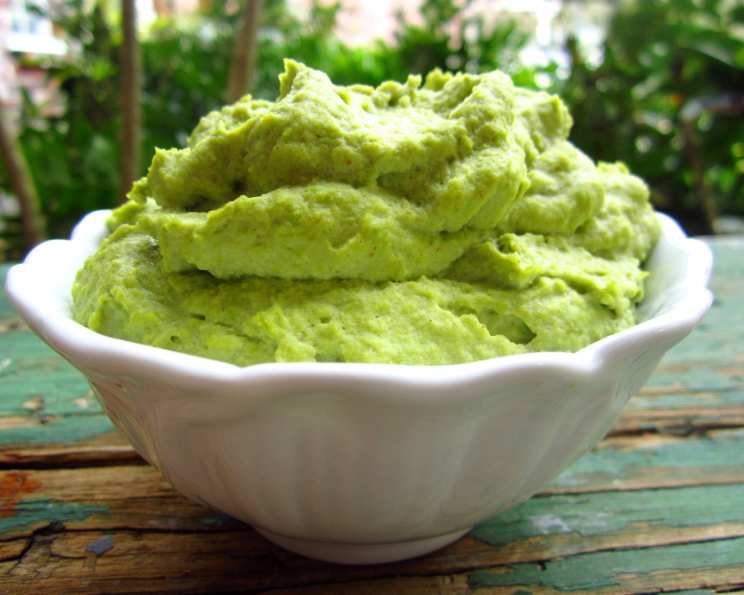
Edamame Hummus – Tried the Rest This is the Best
I remember the first time I tasted edamame hummus. I was at a trendy little café in San Francisco, and the bright green dip was served with an array of colorful vegetables. The creamy texture, the subtle sweetness of the edamame, and the burst of lemon – it was a revelation! I immediately started experimenting at home, determined to recreate that magic. After countless iterations, I’ve landed on a version that I truly believe is the best – a simple yet vibrant hummus that disappears alarmingly fast whenever I make it. Be warned, you might need to double the batch!
Recipe Overview
- Prep Time: 5 minutes
- Cook Time: 5 minutes
- Total Time: 10 minutes
- Yields: 1 1/4 Cup
- Dietary Type: Vegan, Gluten-Free
Ingredients
- 1/2 lb frozen shelled edamame, about 1 1/2 cups (green soy beans)
- 1/4 cup tahini
- 1/4 cup water
- 1/2 teaspoon freshly grated lemon zest
- 1 lemon, juice of (about 3 tablespoons)
- 1 garlic clove, smashed
- 3/4 teaspoon kosher salt
- 1/2 teaspoon ground cumin
- 1/4 teaspoon ground coriander
- 3 tablespoons extra virgin olive oil
- 1 tablespoon chopped fresh flat-leaf parsley
Equipment Needed
- Medium saucepan or microwave-safe bowl
- Food processor
- Small bowl
Instructions
- First, cook the edamame. You can either boil the frozen shelled edamame in salted water for 4 to 5 minutes, until tender, or microwave it, covered, for 2 to 3 minutes. If microwaving, add a tablespoon of water to the bowl to help steam the edamame. Be careful not to overcook the edamame, as this can make the hummus slightly bitter.
- While the edamame is still warm, transfer it to a food processor.
- Add the tahini, water, lemon zest, lemon juice (about 3 tablespoons from one lemon), smashed garlic clove, kosher salt, ground cumin, and ground coriander to the food processor.
- Puree all the ingredients until smooth. You may need to scrape down the sides of the food processor a few times to ensure everything is evenly incorporated. The mixture should be quite thick at this stage.
- With the motor running, slowly drizzle in 2 tablespoons of the extra virgin olive oil and mix until absorbed. This will help to create a creamy and emulsified texture.
- Transfer the edamame hummus to a small bowl.
- Stir in the chopped fresh flat-leaf parsley.
- Drizzle with the remaining 1 tablespoon of extra virgin olive oil.
- Serve immediately with your favorite vegetables or store, covered, in the refrigerator for up to 1 day.
Expert Tips & Tricks
- For the creamiest hummus: Use high-quality tahini. Some tahini brands can be quite bitter, so taste before you add it to the recipe. Soom is a great brand to try.
- Adjust the lemon: Taste as you go and add more lemon juice if you prefer a tangier flavor.
- Garlic intensity: If you prefer a milder garlic flavor, use roasted garlic instead of raw.
- Make it ahead: The hummus can be made a day in advance. The flavors will meld together even more.
- Too thick? If the hummus is too thick, add a tablespoon of water at a time until you reach your desired consistency.
- Spice it up: For a little heat, add a pinch of red pepper flakes to the food processor along with the other ingredients.
- Freeze it: You can freeze edamame hummus for up to 2 months. Thaw it in the refrigerator overnight and stir well before serving. The texture may change slightly after freezing, but it will still taste delicious.
Serving & Storage Suggestions
Edamame hummus is incredibly versatile. Serve it as a dip with fresh vegetables like carrots, celery, cucumbers, and bell peppers. It’s also delicious with pita bread, crackers, or even spread on sandwiches and wraps. A sprinkle of paprika or a few extra parsley leaves can elevate the presentation.
Store leftover hummus in an airtight container in the refrigerator for up to 1 day. While it’s best enjoyed fresh, it will still be delicious the next day. Due to its fresh ingredients, it’s not recommended to leave it at room temperature for more than a couple of hours. Freezing is possible for longer storage (up to 2 months), but the texture might be slightly altered upon thawing.
Nutritional Information
| Nutrient | Amount per Serving | % Daily Value |
|---|---|---|
| Calories | 844.6 kcal | N/A |
| Calories from Fat | 613 g | 73% |
| Total Fat | 68.2 g | 104% |
| Saturated Fat | 9.2 g | 45% |
| Cholesterol | 0 mg | 0% |
| Sodium | 1115.3 mg | 46% |
| Total Carbohydrate | 37 g | 12% |
| Dietary Fiber | 12.7 g | 50% |
| Sugars | 1.1 g | 4% |
| Protein | 32.6 g | 65% |
Note: Nutritional information is an estimate and may vary based on specific ingredients used.
Variations & Substitutions
- Different Beans: While this recipe is specifically for edamame hummus, you can experiment with other beans, such as chickpeas (for classic hummus) or white beans.
- Nut-Free: If you have a nut allergy, you can substitute the tahini (which is made from sesame seeds) with sunflower seed butter. The flavor will be slightly different, but it will still be delicious.
- Flavor Boosts: Add roasted red peppers, sun-dried tomatoes, or olives for extra flavor.
- Herbs: Experiment with different herbs, such as cilantro, dill, or mint, instead of parsley.
- Spicy: Add a pinch of cayenne pepper or a drizzle of sriracha for a kick.
- Sweet: Add a touch of maple syrup or honey for a sweeter hummus.
FAQs (Frequently Asked Questions)
Q: Can I use fresh edamame instead of frozen?
A: Yes, you can use fresh edamame. Just be sure to cook it until it is tender before adding it to the food processor.
Q: How long does edamame hummus last in the fridge?
A: Edamame hummus will last for up to 1 day in the refrigerator when stored in an airtight container. It’s best to consume it as fresh as possible.
Q: Can I make this without a food processor?
A: A food processor is recommended for the smoothest texture. However, you could potentially use a high-powered blender, though it may require more liquid to achieve the right consistency.
Q: Is this recipe gluten-free?
A: Yes, this recipe is naturally gluten-free as it doesn’t contain any gluten-containing ingredients.
Q: Can I add other vegetables to the hummus?
A: Absolutely! Roasted red peppers, beets, or even spinach can be added to the food processor for extra flavor and nutrients. Just adjust the liquid as needed to maintain the desired consistency.
Final Thoughts
I truly hope you give this edamame hummus recipe a try. It’s a quick, easy, and healthy snack or appetizer that’s sure to impress. Once you’ve made it once, you’ll find yourself whipping it up again and again. Feel free to experiment with different variations and find your perfect flavor combination. And please, don’t hesitate to share your feedback and any tweaks you make – I’d love to hear how it turns out! This hummus pairs wonderfully with a crisp glass of Sauvignon Blanc or a refreshing cucumber salad. Happy dipping!