
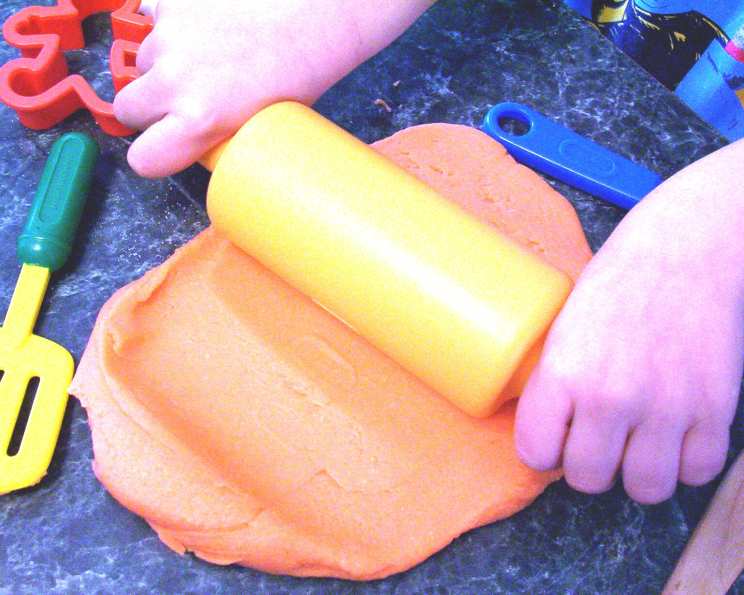
Edible Kool-Aid Play Dough: A Sensory Delight
My earliest memories of playdough aren’t tied to the store-bought kind, but to the vibrant, fruity-scented concoctions whipped up by my mom on rainy afternoons. The sticky warmth as I helped knead the dough, the explosion of color as the Kool-Aid swirled in – these are sensory experiences etched in my childhood. This recipe is a nostalgic trip back to those simple joys, a way to create not just a plaything, but a memory with your own children. Plus, the peace of mind knowing that if a little bit ends up in their mouth, it’s perfectly safe (though maybe a bit salty!).
Recipe Overview
- Prep Time: 5 minutes
- Cook Time: 2 minutes
- Total Time: 7 minutes
- Yields: 1 batch
- Dietary Type: Edible (but not intended as a snack!)
Ingredients
- 2 1/2 cups flour
- 1/2 cup salt
- 2 (1/4 ounce) packages Kool-Aid (any flavor!)
- 1 teaspoon cream of tartar
- 2 cups boiling water
- 3 tablespoons oil
Equipment Needed
- Large mixing bowl
- Spoon
- Measuring cups and spoons
- Heat-resistant gloves (optional, for kneading)
Instructions
- In a large mixing bowl, thoroughly combine the flour, salt, Kool-Aid, and cream of tartar. Make sure all the dry ingredients are evenly distributed; this ensures consistent color and texture throughout the playdough.
- Carefully pour the boiling water into the dry ingredients. The water needs to be actively boiling to properly activate the ingredients and create a smooth dough.
- Add the oil to the bowl. The oil contributes to the playdough’s pliability and prevents it from drying out too quickly. Vegetable oil is a good neutral option, but you can also use coconut oil (melted) for a subtle scent.
- Using a spoon, stir the mixture until it starts to come together. Be cautious, as the mixture will be very hot at this stage.
- Once the mixture has cooled slightly, but is still warm, begin to knead it with your hands. This is where the magic happens! Kneading develops the gluten in the flour, resulting in a smooth and elastic playdough.
- Continue kneading until the dough is smooth and pliable. If the playdough feels too sticky, gradually add a small amount of additional flour, a tablespoon at a time, until you reach the desired consistency. Conversely, if the dough is too dry, add a tiny splash of water (a teaspoon at a time). Remember that playdough consistency is subjective, so adjust it to your preference.
- Allow the playdough to cool completely before playing with it. This will prevent it from being too sticky and ensure it holds its shape well.
- Now grab your cutters, rollers, and any other playdough tools you like and have FUN!
Expert Tips & Tricks
- Flavor Power: Experiment with different Kool-Aid flavors to create a rainbow of colors and scents. For a truly unique experience, try mixing two different flavors together.
- Scent-sational: Enhance the aroma of your playdough by adding a few drops of essential oil. Peppermint extract during the holidays, lavender for a calming effect, or citrus for an energizing boost are all great options. Just be mindful of potential allergies or sensitivities.
- Glitter Glam: Add a touch of sparkle by incorporating glitter into the dough. Fine glitter works best to prevent a gritty texture.
- Texture Tweaks: For a smoother, more refined playdough, use cake flour instead of all-purpose flour.
- Troubleshooting: If your playdough becomes too dry after playing, knead in a small amount of water or oil to restore its pliability. If it’s too sticky, add a sprinkle of flour.
Serving & Storage Suggestions
This Kool-Aid playdough is intended for sensory play and creative expression, not as a snack. Supervise children closely while they are playing with it.
To store the playdough, wrap it tightly in plastic wrap or place it in an airtight container. This will prevent it from drying out. Store at room temperature. Properly stored playdough can last for several weeks or even months. If you notice any mold or discoloration, discard the playdough immediately.
Nutritional Information
While not intended for consumption, here’s a rough estimate of the nutritional content (per serving, assuming the batch is divided into 6 portions):
| Nutrient | Amount per Serving | % Daily Value* |
|---|---|---|
| Calories | ~250 kcal | ~13% |
| Total Fat | ~4g | ~5% |
| Sodium | ~2000mg | ~83% |
| Total Carbohydrate | ~45g | ~15% |
| Protein | ~5g | ~10% |
*Percent Daily Values are based on a 2000 calorie diet. These values are estimates and may vary. The extremely high sodium content is why this playdough should not be eaten.
Variations & Substitutions
- Gluten-Free Playdough: Substitute the all-purpose flour with a gluten-free blend. Be sure to choose a blend that contains xanthan gum or another binding agent to help the playdough hold its shape. You may need to adjust the amount of liquid to achieve the desired consistency.
- Natural Dyes: If you prefer to avoid artificial colors, you can use natural food coloring derived from fruits and vegetables. Beet juice for red, spinach juice for green, and turmeric for yellow are all good options. However, be aware that the colors may not be as vibrant as those achieved with Kool-Aid.
- Salt Alternatives: While salt is important for preserving the playdough, you can reduce the sodium content slightly by using sea salt or kosher salt, which have a coarser grain and may require a bit more kneading to fully dissolve.
FAQs (Frequently Asked Questions)
Q: Is this playdough really edible?
A: While all the ingredients are technically edible, the high salt content makes it unpalatable and it’s not intended for consumption. It is however taste-safe for young children who may be tempted to nibble.
Q: How do I prevent the playdough from drying out?
A: The most important thing is to store the playdough in an airtight container when not in use. You can also knead in a little bit of oil if it starts to feel dry.
Q: Can I make a bigger batch of this playdough?
A: Yes, you can easily double or triple the recipe to make a larger batch. Just be sure to use a proportionally larger mixing bowl.
Q: What if my playdough is too sticky?
A: Add a small amount of flour, one tablespoon at a time, until you reach the desired consistency. Be careful not to add too much flour, as this can make the playdough dry and crumbly.
Q: How long will this playdough last?
A: Properly stored in an airtight container, this playdough can last for several weeks or even months. However, it’s best to discard it if you notice any mold or discoloration.
Final Thoughts
Creating this edible Kool-Aid playdough is more than just following a recipe; it’s about creating a shared experience filled with color, scent, and laughter. Gather your little ones, put on some music, and let the fun begin! Don’t hesitate to experiment with different flavors, colors, and textures to make it your own. I would love to hear about your creations and any variations you try. Happy playing!