
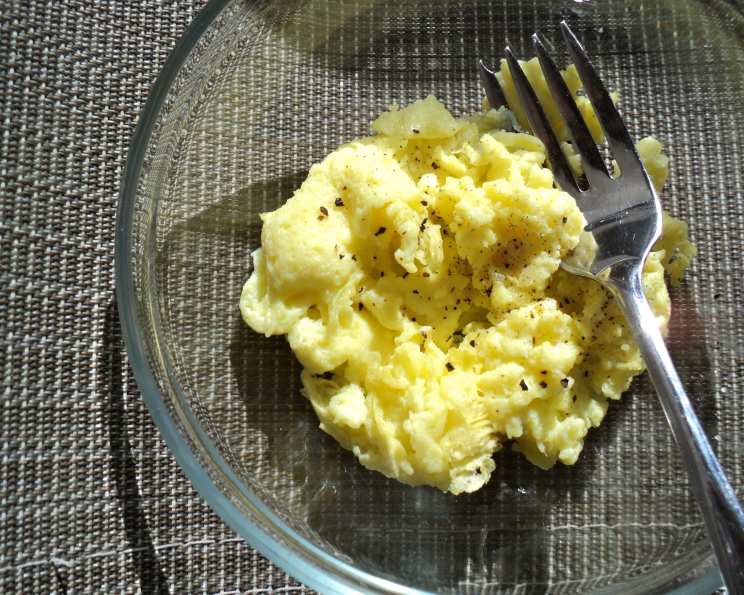
Mastering Egg Beaters: A Chef’s Guide to Perfecting the Simple Substitute
I remember my grandmother’s kitchen vividly, a warm, comforting space always filled with the aroma of freshly baked bread or simmering stew. One day, she decided to try a new recipe, one that called for a very specific type of egg mixture. She carefully separated the egg whites, meticulously measuring and mixing. As a child, I was mesmerized by her precision, her dedication to achieving the perfect outcome, even with seemingly simple ingredients. That memory sparked my lifelong passion for exploring the nuances of cooking, even with the humblest ingredients, like today’s focus: the humble egg beater substitute.
Recipe Overview
- Prep Time: 2 minutes
- Cook Time: 0 minutes
- Total Time: 2 minutes
- Servings: 1/4 cup
- Yields: 1/4 cup
- Dietary Type: Vegetarian
Ingredients
- 2 egg whites
- 1 tablespoon powdered milk
- 2 drops yellow food coloring (optional)
Equipment Needed
- Mixing bowl
- Whisk or fork
Instructions
- In a mixing bowl, combine the 2 egg whites and 1 tablespoon of powdered milk.
- Add 2 drops of yellow food coloring (optional) if desired, to mimic the color of whole eggs.
- Thoroughly mix all ingredients until well blended. A whisk or fork can be used for this process. The mixture should be smooth and consistent.
Expert Tips & Tricks
While seemingly straightforward, achieving the right texture and flavor with this egg beater substitute requires attention to detail.
- Powdered Milk Matters: The quality of powdered milk significantly impacts the outcome. Opt for a high-quality, full-fat powdered milk for a richer, more egg-like flavor. Skim milk powder can work in a pinch but will result in a thinner consistency.
- Blending is Key: Ensuring the powdered milk fully dissolves is crucial. If you notice any clumps, continue whisking vigorously until they disappear. For an extra smooth mixture, consider using an immersion blender or a small electric mixer.
- Adjusting the Color: The yellow food coloring is optional, but it contributes to the visual appeal, especially in recipes where the color of the egg is important. Start with just one drop and add another if needed until you achieve the desired hue. Be cautious not to overdo it, as too much food coloring can result in an artificial appearance.
- Flavor Enhancements: For savory applications, consider adding a pinch of salt or a dash of onion powder to enhance the flavor profile and mimic the taste of whole eggs more closely.
- Using as a wash: To create an even wash that would lead to browning on your baked items, consider adding a splash of cream or milk. This can help to avoid a gluey finish that egg whites can sometimes cause.
Serving & Storage Suggestions
This egg beater substitute is best used immediately after preparation for optimal texture and flavor. As stated before, it is best to only make what you intend to use.
- Immediate Use: Incorporate the mixture into your recipe as soon as it’s ready.
- Freezing (with caution): Although it’s not ideal, you can freeze the leftovers. However, be aware that the texture may change upon thawing. To freeze, pour the mixture into an ice cube tray. Once frozen, transfer the cubes to a freezer bag. Thaw in the refrigerator before using.
- Refrigeration: If you must store it before use, keep it in an airtight container in the refrigerator for no more than 24 hours. Be sure to whisk well before using, as some separation may occur.
Nutritional Information
| Nutrient | Amount per Serving | % Daily Value |
|---|---|---|
| Calories | ~35 kcal | ~2% |
| Total Fat | ~0g | ~0% |
| Saturated Fat | ~0g | ~0% |
| Cholesterol | ~0mg | ~0% |
| Sodium | ~25mg | ~1% |
| Total Carbohydrate | ~4g | ~1% |
| Dietary Fiber | ~0g | ~0% |
| Sugars | ~4g | ~0% |
| Protein | ~4g | ~8% |
Note: Nutritional information is an estimate and can vary based on specific ingredients used.
Variations & Substitutions
This basic recipe is a blank canvas for culinary creativity. Here are some ideas to tailor it to your specific needs and preferences:
- Flavor Infusions: Experiment with adding herbs and spices to create unique flavor profiles. A pinch of dried dill or Italian seasoning can add a savory touch to omelets or quiches.
- Sweet Variations: For sweet applications, incorporate a touch of vanilla extract, cinnamon, or nutmeg. This works particularly well in French toast or pancake recipes.
- Plant-Based Option: For a completely plant-based substitute, consider using a combination of silken tofu, nutritional yeast, and plant-based milk.
- Using Milk Alternatives: To give the product more richness, use a dairy milk alternative with more fat. An oat or cashew milk may provide you with the results that you are looking for.
FAQs (Frequently Asked Questions)
Q: Can I use this egg beater substitute in any recipe that calls for eggs?
A: This substitute is best suited for recipes where eggs primarily provide structure or moisture, such as baked goods or omelets. It may not work as well in recipes where eggs are the star ingredient, like custards or meringues.
Q: Does this mixture taste exactly like real eggs?
A: While it mimics the texture and binding properties of eggs, the flavor will be slightly different. The powdered milk contributes a unique taste, which can be adjusted with herbs and spices.
Q: Can I use this substitute for scrambled eggs?
A: Yes, you can use it for scrambled “eggs,” but the texture will be different from real scrambled eggs. It tends to be more delicate and can easily become overcooked.
Q: How can I prevent the mixture from becoming too watery?
A: Be sure to measure the egg whites and powdered milk accurately. Too much liquid will result in a thin, watery consistency. Whisking vigorously also helps to create a thicker, more stable mixture.
Q: Is this egg beater substitute suitable for people with egg allergies?
A: No, this recipe contains egg whites and is not suitable for individuals with egg allergies. Consider plant-based alternatives like silken tofu or commercially available egg replacers.
Final Thoughts
Creating a successful egg beater substitute is about more than just combining ingredients; it’s about understanding the nuances of each component and how they interact to create a desired outcome. This simple recipe is a wonderful starting point for exploring the world of culinary substitutions, empowering you to adapt and create delicious dishes tailored to your specific needs and preferences. So, go ahead, experiment with this recipe, and don’t be afraid to get creative with flavors and variations. I encourage you to share your feedback and experiences – your insights can help others on their culinary journeys. This substitute pairs well with a light salad or a hearty slice of whole-wheat toast, making it a versatile addition to any meal. Happy cooking!