
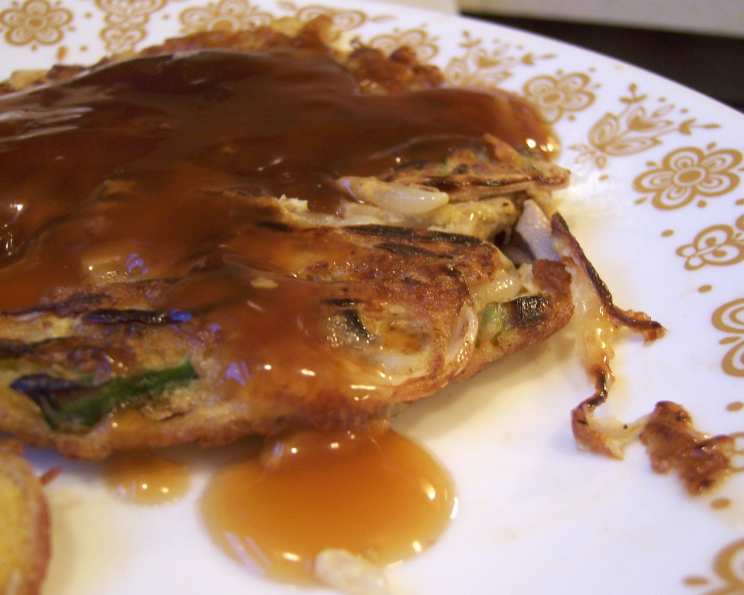
Egg Foo Yung (For 2) With Oriental Sauce
The first time I tasted Egg Foo Yung, I was probably eight years old, sitting in a red vinyl booth at our local Chinese restaurant. The steam rising from the dark, savory sauce carried the scent of soy and something subtly sweet. Cutting into the fluffy omelet revealed a treasure trove of crisp bean sprouts and tender mushrooms. Even then, a picky eater, I was captivated. Each bite was a delightful mix of textures and flavors, a dish that felt both comforting and exotic. It was a culinary adventure I couldn’t get enough of, and the memory of that first taste still makes my mouth water.
Recipe Overview
- Prep Time: 20 minutes
- Cook Time: 20 minutes
- Total Time: 40 minutes
- Servings: 2
- Yield: 3-4 omelets
- Dietary Type: Gluten Optional
Ingredients
Egg Foo Yung Omelets
- 4 eggs
- 3 tablespoons water
- 1 tablespoon soy sauce
- 1 cup fresh bean sprouts
- 1 cup fresh mushrooms, sliced (or 8 ounces canned mushrooms, chopped)
- 2-4 green onions, thinly sliced
- Cooking spray
Oriental Sauce
- 2 teaspoons cornstarch
- ½ cup beef broth
- 1 tablespoon soy sauce
Equipment Needed
- Medium bowl
- Whisk
- 8-inch non-stick skillet
- Small saucepan
- Spatula
Instructions
-
In a medium bowl, beat the eggs with the water and soy sauce until well combined. This mixture forms the base of your light and airy omelet, so ensure the eggs are fully incorporated for the best texture.
-
Stir in the bean sprouts, mushrooms, and green onions. Mix well to distribute the vegetables evenly throughout the egg mixture. This ensures each bite of your Egg Foo Yung is packed with flavor and texture.
-
Spray an 8-inch non-stick skillet with cooking spray and heat the skillet over medium heat. The non-stick surface is crucial to prevent the omelet from sticking and tearing as you cook it. Allow the skillet to get adequately hot before adding the egg mixture for optimal cooking.
-
Pour approximately one-fourth of the egg mixture into the heated skillet. You will be making multiple omelets, so portion the mixture carefully.
-
As the mixture sets at the edges, use a spatula to gently lift the cooked portion, allowing the uncooked egg to flow underneath. This technique ensures even cooking throughout the omelet and prevents the bottom from burning.
-
Cook until the bottom is set and beginning to brown, and the top is almost set. This usually takes a few minutes. The top should still be slightly moist but not runny.
-
Slide the omelet onto a plate. This step helps to maintain the shape of the omelet as you prepare to flip it.
-
Flip the omelet (uncooked side down) back into the skillet and cook until the eggs are done in the middle, about 1-2 minutes. Press gently with the spatula to ensure even cooking.
-
Slide the cooked omelet onto a serving plate and keep it warm. You can place it in a warm oven (about 200°F or 93°C) while you cook the remaining omelets.
-
Repeat the procedure to make 2-3 more omelets, stacking them on the serving plate when done.
-
Cut the omelets into wedges and serve with warm Oriental Sauce.
-
To make the Oriental Sauce, combine all sauce ingredients (cornstarch, beef broth, and soy sauce) in a small pan. Whisk to ensure the cornstarch is fully dissolved to avoid lumps.
-
Heat the sauce to a boil, stirring constantly. The constant stirring prevents the sauce from sticking to the bottom of the pan and ensures it thickens evenly.
-
Boil for 1 minute; serve hot over the Egg Foo Yung omelets.
Expert Tips & Tricks
- For extra flavor in the sauce, consider adding a pinch of ginger powder or a dash of sesame oil.
- If you don’t have beef broth, chicken broth can be used as a substitute.
- To prevent the omelets from becoming soggy, ensure the vegetables are well-drained before adding them to the egg mixture.
- For a thicker sauce, use a bit more cornstarch, but be careful not to overdo it, or the sauce may become too gloppy.
- If you like a richer flavor, add a teaspoon of oyster sauce to the oriental sauce while cooking.
Serving & Storage Suggestions
Serve the Egg Foo Yung hot, immediately after cooking, with the warm Oriental Sauce ladled generously over the top. Garnish with extra sliced green onions for a pop of color and freshness. This dish pairs well with steamed rice or stir-fried vegetables for a complete meal.
Leftover Egg Foo Yung can be stored in an airtight container in the refrigerator for up to 3 days. Reheat gently in a skillet over low heat or in the microwave until warmed through. The texture of the omelets may change slightly upon reheating, but they will still be delicious. The sauce can also be stored separately in the refrigerator and reheated in a saucepan or microwave.
Freezing is not recommended as it can alter the texture of the eggs and vegetables.
Nutritional Information
| Nutrient | Amount per Serving | % Daily Value |
|---|---|---|
| Calories | 192.4 kcal | N/A |
| Calories from Fat | 88 g | 46% |
| Total Fat | 9.8 g | 15% |
| Saturated Fat | 3.2 g | 16% |
| Cholesterol | 372 mg | 124% |
| Sodium | 1378 mg | 57% |
| Total Carbohydrate | 8.9 g | 2% |
| Dietary Fiber | 1.7 g | 6% |
| Sugars | 3.5 g | 14% |
| Protein | 17.5 g | 35% |
Note: Nutritional information is an estimate and can vary based on specific ingredients and portion sizes.
Variations & Substitutions
- Vegetarian Option: Substitute vegetable broth for beef broth in the Oriental Sauce. You can also add tofu or other vegetarian protein options to the omelets.
- Gluten-Free: Ensure the soy sauce used is gluten-free. Tamari is a good gluten-free alternative.
- Seafood Variation: Add cooked shrimp or crab meat to the egg mixture for a seafood twist.
- Spicy Kick: Add a pinch of red pepper flakes to the Oriental Sauce for a little heat.
- Vegetable Additions: Feel free to add other vegetables like carrots, celery, or water chestnuts to the omelets for added flavor and texture.
FAQs (Frequently Asked Questions)
Q: Can I use dried mushrooms instead of fresh?
A: Yes, you can use dried mushrooms. Rehydrate them in hot water before adding them to the egg mixture. Be sure to squeeze out any excess water before using.
Q: Can I make the Oriental Sauce ahead of time?
A: Yes, the Oriental Sauce can be made a day in advance and stored in the refrigerator. Reheat gently before serving.
Q: Can I use different types of sprouts?
A: While bean sprouts are traditional, you can experiment with other types of sprouts like alfalfa or radish sprouts for a slightly different flavor.
Q: How do I prevent the omelets from sticking to the pan?
A: Make sure to use a non-stick skillet and spray it generously with cooking spray. Also, ensure the skillet is properly heated before adding the egg mixture.
Q: What if my sauce is too thick or too thin?
A: If the sauce is too thick, add a little more broth until you reach the desired consistency. If it’s too thin, mix a small amount of cornstarch with cold water and whisk it into the sauce while it simmers.
Final Thoughts
Egg Foo Yung is a dish that’s both simple and satisfying, perfect for a quick weeknight meal or a cozy weekend brunch. Its customizable nature means you can adapt it to your own tastes and preferences, experimenting with different vegetables and flavors. Don’t be afraid to get creative and make it your own! I encourage you to try this recipe and share your feedback. Whether you’re a seasoned chef or a beginner cook, I hope this recipe brings a little bit of that familiar, comforting Chinese restaurant magic into your kitchen. Pair it with a fragrant jasmine tea for the perfect ending.