
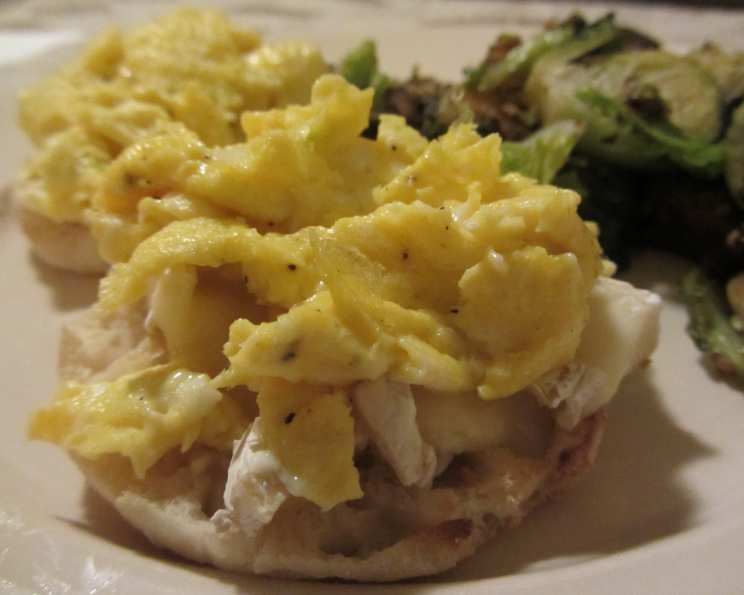
The Quintessential Egg Sandwich: A Chef’s Ode to Simple Perfection
My earliest memories are painted with the golden hues of perfectly cooked eggs. Not elaborately plated brunch fare, but simple, honest egg sandwiches, lovingly prepared by my grandmother. She had a knack for transforming everyday ingredients into something truly special, and her egg sandwiches were legendary – the kind you crave long after the last bite. The warm, comforting combination of a perfectly fried egg, melty cheese, and toasted bread is a reminder of cozy mornings and unconditional love. This recipe is my tribute to her, a timeless classic elevated with a few simple techniques.
Recipe Overview
- Prep Time: 2 minutes
- Cook Time: 9 minutes
- Total Time: 11 minutes
- Servings: 1
- Yield: 1 open-faced sandwich
- Dietary Type: Vegetarian
Ingredients
- 1 egg
- 1 teaspoon canola oil
- 1 slice American cheese
- ½ English muffin, split
- Salt and pepper to taste
Equipment Needed
- Small saute pan
- Toaster
- Spatula
Instructions
-
Begin by preparing your cooking station. Have all your ingredients measured and within reach. This ensures a smooth and efficient cooking process.
-
Heat the canola oil in a small saute pan over medium heat. You can test if the pan is hot enough by flicking a few drops of water into the pan; they should sizzle immediately. Alternatively, you can use cooking spray or, if you have a well-seasoned nonstick pan, cook the egg in a dry pan.
-
Once the oil is hot, gently crack the egg into the pan. Be careful not to break the yolk.
-
Season the egg generously with salt and pepper to taste. Don’t be shy – seasoning is crucial for a flavorful egg.
-
Cook the egg to your desired level of doneness. For a runny yolk, which is my preference, cook for about 2-3 minutes, or until the white is set but the yolk is still jiggly. If you prefer a fully cooked yolk, cook for a few minutes longer, flipping the egg carefully after the white has set.
-
In the meantime, while the egg is cooking, toast the half of the English muffin in a toaster until it is golden brown and crispy.
-
As soon as the toasted English muffin comes out of the toaster, immediately place the slice of American cheese on top. The residual heat from the toast will begin to melt the cheese.
-
Once the egg is cooked to your liking, carefully remove it from the pan with a spatula and place it directly on top of the melted cheese.
-
Serve immediately and enjoy!
Expert Tips & Tricks
- Achieving the Perfect Runny Yolk: The key to a perfect runny yolk is controlling the heat. Start with medium heat and adjust as needed. If the white is cooking too quickly, lower the heat slightly.
- Preventing Sticking: To prevent the egg from sticking to the pan, ensure the pan is properly preheated and the oil is hot before adding the egg. A good nonstick pan is also essential.
- Elevate Your Egg: For an extra layer of flavor, try adding a dash of hot sauce or a sprinkle of herbs, such as chives or parsley, to the egg while it’s cooking.
- Cheese Melting Hack: If the cheese isn’t melting quickly enough on the toast, you can briefly place the open-faced muffin under the broiler for a few seconds, watching carefully to prevent burning.
- Flavor Boost: A tiny smear of mayonnaise on the toasted muffin before adding the cheese will add a surprising richness.
Serving & Storage Suggestions
This open-faced egg sandwich is best enjoyed immediately while the egg is still warm and the cheese is melty. If you have any leftovers (though it’s unlikely!), store the components separately in airtight containers in the refrigerator. The egg can be reheated gently in a pan or microwave, and the toasted muffin can be re-toasted. However, the texture will be best when freshly prepared. Due to the nature of the egg, it’s not recommended to store this sandwich at room temperature for more than two hours.
Nutritional Information
| Nutrient | Amount per Serving | % Daily Value |
|---|---|---|
| Calories | 223 kcal | – |
| Calories from Fat | 118 g | 53% |
| Total Fat | 13.2 g | 20% |
| Saturated Fat | 4.3 g | 21% |
| Cholesterol | 195.1 mg | 65% |
| Sodium | 311.3 mg | 12% |
| Total Carbohydrate | 14.1 g | 4% |
| Dietary Fiber | 1 g | 4% |
| Sugars | 1.2 g | – |
| Protein | 11.6 g | 23% |
Note: Percent Daily Values are based on a 2,000 calorie diet.
Variations & Substitutions
- Cheese Variety: While American cheese is a classic choice for its meltability, feel free to experiment with other cheeses. Cheddar, Gruyere, Monterey Jack, or even a sprinkle of Parmesan would all be delicious.
- Bread Alternatives: If you’re not a fan of English muffins, try using toast, bagels, croissants, or even a brioche bun.
- Spice It Up: Add a pinch of red pepper flakes to the egg for a spicy kick.
- Vegetarian Upgrade: Incorporate sauteed spinach, mushrooms, or onions for a more substantial and nutrient-rich sandwich.
- Protein Power: Add a slice of ham, bacon, or sausage for extra protein.
FAQs (Frequently Asked Questions)
Q: Can I make this egg sandwich ahead of time?
A: While it’s best enjoyed fresh, you can prepare the components separately (cook the egg and toast the muffin) and assemble just before serving.
Q: How do I prevent the English muffin from getting soggy?
A: Toast the English muffin just before adding the cheese and egg to minimize the contact time with moisture.
Q: What if I don’t have canola oil?
A: You can substitute with any neutral-flavored oil, such as vegetable oil, olive oil, or coconut oil.
Q: Can I use a different type of egg?
A: Absolutely! Feel free to use duck eggs, quail eggs, or even scrambled eggs for a different texture.
Q: Is there a way to make this healthier?
A: Use whole-wheat English muffins, reduce the amount of cheese, and add vegetables for a healthier version.
Final Thoughts
This simple egg sandwich is more than just a quick breakfast; it’s a blank canvas for your culinary creativity. Feel free to experiment with different cheeses, toppings, and bread to create your perfect egg sandwich masterpiece. Whether you’re looking for a comforting start to the day or a quick and satisfying meal, this recipe is sure to become a staple in your kitchen. Don’t be afraid to share your own variations and improvements – the best recipes are those that are constantly evolving. Enjoy!