
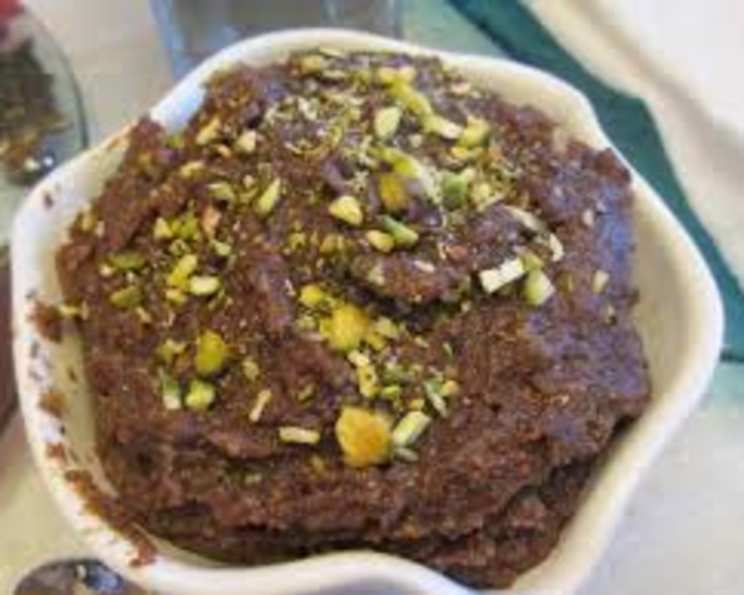
A Taste of History: Crafting Authentic Egyptian Charoset
Passover Seders were always grand affairs at my grandmother’s house, filled with laughter, stories, and the aroma of generations past. But amidst all the symbolic foods, it was the charoset that truly captured my imagination. Its sweet, earthy flavor and chunky texture were unlike anything else on the table. I remember sneaking extra spoonfuls, marveling at how something so simple could taste so rich and complex, a true taste of history in every bite.
Recipe Overview
- Prep Time: 15 minutes
- Cook Time: Varies, approximately 20-30 minutes
- Total Time: 30-45 minutes
- Servings: Variable, approximately 4-6
- Yield: About 2 cups
- Dietary Type: Vegan, Gluten-Free
Ingredients
- 8 ounces pitted dates, chopped
- 8 ounces golden raisins
- ½ cup sweet red Passover wine
- ½ cup almonds, coarsely chopped
- Water, as needed
Equipment Needed
- Medium saucepan
- Wooden spoon or spatula
- Serving bowl
Instructions
-
In a medium saucepan, combine the chopped dates, golden raisins, and sweet red Passover wine.
-
Add enough water to the saucepan just to cover the dates and raisins. The amount of water needed will depend on the size of your saucepan and the volume of the ingredients, but aim for just enough to submerge the fruit.
-
Place the saucepan over low heat. Gently simmer the mixture, stirring occasionally, until the dates become very soft and mushy, and the mixture thickens into a paste-like consistency. This process should take approximately 20-30 minutes. Be patient and keep the heat low to prevent scorching.
-
As the dates soften, use the back of a wooden spoon or spatula to help break them down further, ensuring a smoother, more cohesive paste.
-
Continue to simmer and stir, allowing the wine and water to reduce and the flavors to meld together beautifully. The consistency should be thick enough to hold its shape but still be easily spoonable.
-
Once the date mixture has reached the desired consistency, remove the saucepan from the heat.
-
Spoon the warm charoset into a serving bowl.
-
Sprinkle the coarsely chopped almonds evenly over the top of the charoset. The almonds add a delightful crunch and nutty flavor that complements the sweetness of the dates and raisins.
-
Allow to cool slightly before serving, or refrigerate for later. The flavors will meld further as it chills.
Expert Tips & Tricks
- Date Variety: Medjool dates will provide the most luxurious and soft result. Deglet Noor dates are also excellent but might require slightly longer simmering to achieve the desired mushy texture.
- Wine Selection: Using a high-quality, sweet red Passover wine will significantly enhance the flavor profile of the charoset. Manischewitz or other kosher-for-Passover sweet wines are traditionally used.
- Nut Alternatives: If you have nut allergies or prefer a different texture, consider substituting the almonds with chopped walnuts, pecans, or even sunflower seeds for a nut-free option.
- Spice It Up: For an extra layer of complexity, try adding a pinch of ground cinnamon, ginger, or cloves to the mixture while simmering. Start with a small amount and adjust to your preference.
- Texture Control: If the charoset becomes too thick during simmering, add a tablespoon or two of water or wine to thin it out. Conversely, if it’s too thin, continue simmering uncovered to allow excess liquid to evaporate.
Serving & Storage Suggestions
Serve the Egyptian charoset as part of the Passover Seder plate, alongside other symbolic foods. It can be enjoyed with matzah, adding a touch of sweetness to the unleavened bread. Leftover charoset can be stored in an airtight container in the refrigerator for up to 5 days. The flavors will continue to meld and deepen over time. It can be served chilled or at room temperature. It’s best not to freeze the mixture as the fruit can become overly mushy.
Nutritional Information
Nutritional information is an estimate and may vary based on specific ingredients and portion sizes.
| Nutrient | Amount per Serving | % Daily Value |
|---|---|---|
| Calories | 350 kcal | 18% |
| Total Fat | 12g | 15% |
| Saturated Fat | 1g | 5% |
| Cholesterol | 0mg | 0% |
| Sodium | 20mg | 1% |
| Total Carbohydrate | 60g | 22% |
| Dietary Fiber | 5g | 20% |
| Sugars | 40g | N/A |
| Protein | 4g | 8% |
Variations & Substitutions
- Sephardic Twist: Incorporate chopped dates, figs, walnuts, and a splash of orange blossom water for a Sephardic-inspired variation.
- Apple Addition: Add diced apples for a classic Ashkenazi touch, creating a delightful contrast in textures and flavors.
- Wine Alternative: If you prefer a non-alcoholic option, substitute the sweet red wine with grape juice or pomegranate juice for a similar fruity sweetness.
- Spiced Charoset: Infuse the mixture with warm spices like cardamom, allspice, or nutmeg for a more aromatic and flavorful experience.
FAQs (Frequently Asked Questions)
Q: Can I make this charoset ahead of time?
A: Absolutely! In fact, making it a day or two in advance allows the flavors to meld together even more beautifully. Just store it in an airtight container in the refrigerator.
Q: Can I use other types of dried fruit?
A: Yes, feel free to experiment with other dried fruits such as figs, apricots, or cranberries. Just keep in mind that the cooking time may need to be adjusted depending on the texture of the fruit.
Q: How can I make this recipe nut-free?
A: Simply omit the almonds or substitute them with sunflower seeds, pumpkin seeds, or toasted coconut flakes for a nut-free alternative.
Q: Is there a way to reduce the sugar content?
A: Since the sweetness comes primarily from the dates and raisins, you can reduce the amount of wine slightly, but be mindful that this may affect the overall flavor and texture.
Q: Can I use a different type of wine?
A: While sweet red Passover wine is traditional, you can experiment with other sweet red wines or even a fortified wine like port for a richer flavor.
Final Thoughts
Embrace the tradition and create your own Egyptian charoset. It’s a simple dish that connects us to our past and offers a delicious glimpse into culinary history. Don’t hesitate to adjust the recipe to your liking, experimenting with different spices or fruits to create a unique flavor profile that suits your taste. Share your creation with loved ones during Passover and enjoy the rich flavors and meaningful symbolism of this timeless dish. I hope this recipe becomes a cherished part of your own Passover traditions, bringing sweetness and joy to your Seder table for years to come.