
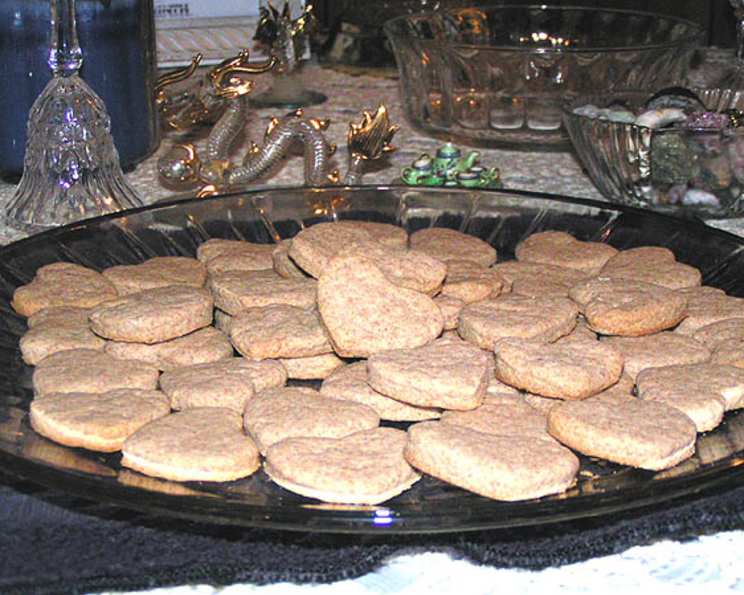
Elswet’s Quick, Easy, & Delicious Diabetic Irish Shortbread
The scent of shortbread always takes me back to my grandmother’s kitchen. She wasn’t Irish, but she had a well-worn cookbook filled with recipes from all corners of the world, and her shortbread was legendary. The buttery, crumbly texture was always perfect, and a simple cup of tea instantly transformed into a special occasion. While I’ve since embraced more health-conscious baking, the desire for that comforting classic never faded, so I was thrilled to adapt a recipe for a diabetic-friendly version that still delivers that nostalgic flavor.
Recipe Overview
- Prep Time: 10 minutes
- Cook Time: 15 minutes
- Total Time: 25 minutes
- Yields: 3 dozen small cookies
- Serves: 20
- Dietary Type: Diabetic-Friendly
Ingredients
- 1 cup fat-free margarine (we use Promise, it works beautifully; may use real butter if you have no dietary concerns)
- 1/3 cup artificial sweetener (we use Altern by WalMart; may use 2/3 cup confectioner’s sugar XXX if you have no dietary concerns)
- 2 tablespoons artificial sweetener
- 2 cups whole wheat flour (measure before sifting; may use 2 cups all-purpose white flour if you have no dietary concerns)
Equipment Needed
- Mixing bowl
- Sifter
- Lightly floured board
- Rolling pin
- Cookie cutters (optional)
- Parchment paper
- Baking sheet
- Cooling rack
Instructions
-
Preheat your oven to 350°F (175°C).
-
In a mixing bowl, cream together the fat-free margarine and 1/3 cup artificial sweetener. It’s important to add the sweetener slowly to ensure it incorporates evenly into the margarine. This step is crucial for achieving the right texture.
-
Add the 2 tablespoons of artificial sweetener to the creamed mixture and continue creaming until light and fluffy.
-
Using a sifter, sift the whole wheat flour slowly into the creamed mixture. Gently mix as you add the flour. Sifting the flour helps prevent lumps and ensures a more tender shortbread. Be careful not to overmix at this stage, as it can develop the gluten in the flour and result in a tougher cookie.
-
Turn the dough out onto a lightly floured board.
-
Knead the dough until it is thoroughly mixed, approximately 12-15 times. The dough should come together smoothly and be easy to handle.
-
Roll the dough out to a 1/4 inch thickness. If the dough is too sticky, lightly dust the rolling pin with flour.
-
Use cookie cutters to cut out desired shapes, or simply use a knife to cut into squares or rectangles.
-
Carefully place the cut shortbread pieces onto a baking sheet covered with parchment paper. Parchment paper prevents sticking and makes for easy cleanup.
-
Bake in the preheated oven for 15 minutes, or until the edges are lightly golden brown. Keep a close eye on them during the last few minutes of baking to prevent burning. Oven temperatures can vary, so adjust the baking time as needed.
-
Once baked, remove the baking sheet from the oven and allow the shortbread to cool on the baking sheet for a few minutes before transferring them to a baking rack to cool completely. Cooling on the baking sheet helps the shortbread to firm up.
Expert Tips & Tricks
- Achieving the Perfect Crumb: The key to classic shortbread is its crumbly texture. Avoid overmixing the dough, and be gentle when rolling it out.
- Butter vs. Margarine: While this recipe calls for fat-free margarine to keep it diabetic-friendly, using real butter will undoubtedly enhance the flavor. If dietary restrictions aren’t a concern, go for a high-quality, unsalted butter.
- Sweetener Selection: The type of artificial sweetener you use can affect the final flavor. Experiment to find one you enjoy. Some sweeteners have a slightly bitter aftertaste, which can be masked by adding a touch of vanilla extract (diabetic friendly).
- Uniform Baking: Ensure your shortbread bakes evenly by cutting the pieces to a consistent thickness. Rotate the baking sheet halfway through the baking time.
- Refrigerating the Dough: For easier handling, wrap the dough in plastic wrap and refrigerate for 30 minutes before rolling it out. This will firm up the margarine and make the dough less sticky.
Serving & Storage Suggestions
Elswet’s Irish shortbread is best served at room temperature. Arrange the cookies on a platter for an elegant presentation, or simply enjoy them straight from the cooling rack. They pair perfectly with a cup of unsweetened tea or coffee.
Store leftover shortbread in an airtight container at room temperature for up to 5 days. For longer storage, freeze the shortbread in a freezer-safe container for up to 2 months. Thaw at room temperature before serving. You can also refresh the flavor of the shortbread by placing them in a warm oven for a few minutes before serving.
Nutritional Information
Please note that the following nutritional information is an estimate and can vary based on specific ingredients and serving sizes.
| Nutrient | Amount per Serving | % Daily Value |
|---|---|---|
| Calories | 45.8 kcal | N/A |
| Calories from Fat | 5 g | 11% |
| Total Fat | 0.6 g | 0% |
| Saturated Fat | 0.3 g | 1% |
| Cholesterol | 0 mg | 0% |
| Sodium | 68.2 mg | 2% |
| Total Carbohydrate | 9.2 g | 3% |
| Dietary Fiber | 1.5 g | 5% |
| Sugars | 0.1 g | 0% |
| Protein | 1.7 g | 3% |
Variations & Substitutions
- Gluten-Free Shortbread: Substitute the whole wheat flour with a gluten-free flour blend. You may need to add a binding agent like xanthan gum to help hold the dough together.
- Citrus Zest: Add the zest of one lemon or orange to the dough for a bright, refreshing flavor.
- Spiced Shortbread: Incorporate a pinch of cinnamon, nutmeg, or cardamom into the dough for a warm, comforting twist.
- Nutty Shortbread: Add 1/2 cup of finely chopped nuts, such as almonds or pecans, to the dough for added flavor and texture.
- Chocolate Chip Shortbread: Fold in 1/4 cup of sugar-free chocolate chips to the dough for a decadent treat.
FAQs (Frequently Asked Questions)
Q: Can I use regular sugar instead of artificial sweetener?
A: Yes, you can substitute 2/3 cup of confectioner’s sugar (XXX) for the artificial sweetener if you don’t have dietary concerns.
Q: Can I use butter instead of fat-free margarine?
A: Absolutely! Using real butter will enhance the flavor of the shortbread. Just make sure to use unsalted butter for the best results.
Q: Why is my shortbread crumbly and difficult to work with?
A: Shortbread dough is naturally crumbly due to the high fat content. Avoid overmixing and gently knead the dough just until it comes together. Chilling the dough before rolling it out can also help.
Q: How do I prevent my shortbread from burning?
A: Keep a close eye on the shortbread during the last few minutes of baking. Oven temperatures can vary, so adjust the baking time as needed.
Q: Can I freeze the shortbread dough?
A: Yes, you can freeze the shortbread dough for up to 2 months. Wrap it tightly in plastic wrap and thaw it in the refrigerator overnight before rolling it out.
Final Thoughts
Elswet’s Quick, Easy, & Delicious Diabetic Irish Shortbread is a testament to the fact that you don’t have to sacrifice flavor for health. This recipe offers a delightful twist on a classic treat, making it accessible to everyone. So, gather your ingredients, preheat your oven, and prepare to indulge in the comforting flavors of homemade shortbread. Don’t be afraid to experiment with variations and make it your own. And most importantly, share your creations with loved ones and enjoy the simple pleasure of good food.