
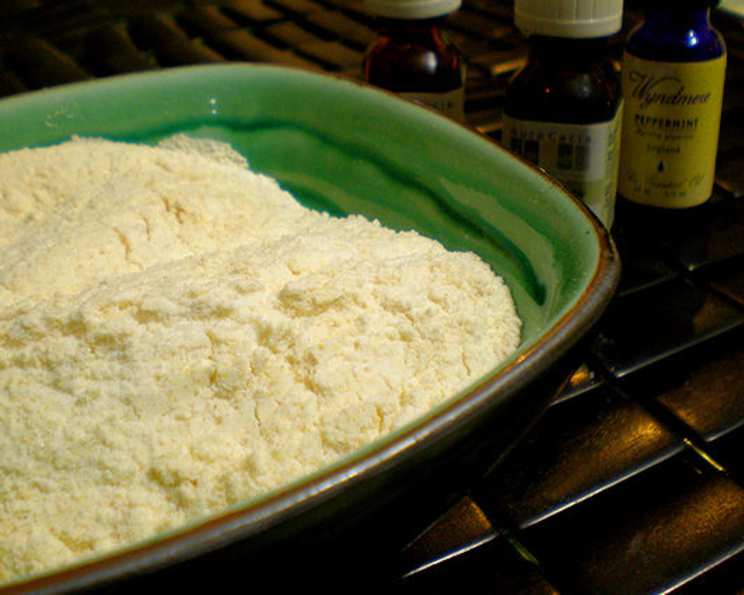
The Restorative English Mustard Bath: A Soothing Soak for Body and Soul
As a child, I vividly recall my grandmother’s remedy for almost every ailment: a long, hot soak in the tub with a curious concoction she called her “Mustard Miracle.” The scent alone—a pungent blend of mustard and something vaguely medicinal—was enough to send tingles down my spine. At the time, I didn’t understand the magic, only that after emerging from the steaming water, wrapped in a thick towel, I always felt calmer, my muscles less tense, and ready for a deep, restful sleep. Now, with years of culinary experience, I’ve come to appreciate the wisdom behind this age-old tradition and am delighted to share my own take on the English Mustard Bath.
Recipe Overview
- Prep Time: 5 minutes
- Total Time: 5 minutes
- Yields: Approximately 1/2 cup of bath mixture
- Dietary Type: Vegan, Gluten-Free, Dairy-Free
Ingredients
- ½ cup baking soda
- 2 tablespoons mustard powder
- 2 drops peppermint essential oil (optional)
- 2 drops rosemary essential oil (optional)
- 2 drops eucalyptus essential oil (optional)
Equipment Needed
- A container with a tight-fitting lid
- Measuring cups and spoons
Instructions
- Combine the baking soda and mustard powder in your chosen container. Ensure the container is completely dry to prevent clumping.
- If desired, carefully add the essential oils: peppermint, rosemary, and/or eucalyptus. Remember that essential oils are potent, so only use a few drops of each.
- Close the lid tightly and shake vigorously to thoroughly combine all the ingredients. This ensures that the essential oils are evenly distributed throughout the mixture.
- To use in a full bath, add ¼ cup of the mustard mixture to the bath under running warm water. The running water helps to disperse the mixture evenly.
- Relax in the bath for 15-20 minutes, adding more hot water as needed to maintain a comfortable temperature. Avoid making the water too hot, as this can be counterproductive. The goal is to gently warm the body and encourage sweating.
- After soaking, rinse under a cool shower to remove any remaining residue and close the pores.
- Wear warm clothes until your pores have fully closed. This helps to maintain the benefits of the bath and prevent chills.
- For footbaths, add 1 tablespoon of the mustard mixture to a basin of warm water and soak your feet for 15 minutes. This can help improve circulation in the feet.
Expert Tips & Tricks
- Powder Freshness: Ensure your mustard powder is fresh for the best potency and scent. An old jar might have lost some of its zing.
- Essential Oil Synergy: Consider blending your essential oils for a personalized aromatic experience. Lavender and chamomile are excellent additions for relaxation, while tea tree oil can offer antiseptic benefits. Start with a small amount of each and adjust to your liking.
- Mixing It Up: If you prefer a smoother bath, you can mix the dry ingredients with a small amount of liquid (such as milk or honey) before adding them to the bath water to form a paste. This can help prevent clumping.
- Allergy Awareness: Before using this bath mixture, test a small amount on your skin to check for any allergic reactions, especially if you have sensitive skin or known allergies to any of the ingredients.
- Epsom Salt Enhancement: Enhance the relaxing benefits of the bath by adding 1 cup of Epsom salts along with the mustard mixture. Epsom salts are known for their muscle-relaxing properties.
- Temperature Matters: The ideal bath temperature should be warm and comfortable. Avoid excessively hot water, as it can cause dizziness and dehydration.
Serving & Storage Suggestions
The English Mustard Bath mixture is best used immediately after preparation for the most potent aromatic experience. However, if you make a larger batch, store the dry mixture in an airtight container in a cool, dark, and dry place. Properly stored, the mixture can last for up to 6 months.
To use, simply measure out the appropriate amount and add it to your bath as described in the instructions. There’s no need to reheat or further prepare the mixture before using.
Nutritional Information
While this recipe is not consumed, here’s a rough estimate of nutritional content per serving (based on 1/4 cup of the mixture), focusing on the primary ingredients, baking soda and mustard powder. Please note that the essential oils are used in such small quantities that their nutritional impact is negligible.
| Nutrient | Amount per Serving | % Daily Value* |
|---|---|---|
| Calories | ~5-10 kcal | ~0% |
| Total Fat | ~0.1-0.2g | ~0% |
| Sodium | ~1400mg | ~60% |
| Total Carbohydrate | ~1-2g | ~1% |
| Fiber | ~0.5g | ~2% |
| Sugar | ~0g | ~0% |
| Protein | ~0.3g | ~1% |
*Percent Daily Values are based on a 2,000 calorie diet. Your daily values may be higher or lower depending on your calorie needs.
Variations & Substitutions
- Honey Infusion: For added moisturizing benefits, try adding 1-2 tablespoons of honey to the bathwater along with the mustard mixture. Honey is a natural humectant, drawing moisture to the skin.
- Herbal Blend: Infuse the bath with dried herbs such as lavender, chamomile, or calendula for a more fragrant and therapeutic experience. Simply tie the herbs in a muslin bag and steep it in the bathwater.
- Milk Bath: Instead of plain water, use milk (dairy or non-dairy) for a creamier and more moisturizing bath. The lactic acid in milk can help exfoliate the skin.
- Ginger Kick: For an extra warming and stimulating effect, add 1-2 teaspoons of ground ginger to the mustard mixture. Be cautious, as ginger can be quite potent.
- Salt Selection: Experiment with different types of salt, such as sea salt or Himalayan pink salt, to enhance the mineral content of the bath.
- Sensitive Skin Soother: If you have sensitive skin, reduce the amount of mustard powder or omit it altogether and focus on the soothing properties of the baking soda and essential oils.
FAQs (Frequently Asked Questions)
Q: Can I use regular mustard instead of mustard powder?
A: While technically possible, it’s not recommended. Regular mustard contains vinegar and other ingredients that may not be ideal for bathwater. Mustard powder provides the purest mustard experience.
Q: How often can I take an English Mustard Bath?
A: It’s best to limit English Mustard Baths to once or twice a week. Overdoing it can potentially dry out the skin.
Q: Are there any contraindications for taking an English Mustard Bath?
A: Avoid if you have open wounds, severe skin conditions, or are pregnant. Consult with your doctor if you have any concerns.
Q: Can I use this mixture on children?
A: It’s generally not recommended for young children due to their sensitive skin. Always consult with a pediatrician before using any new bath additives on children.
Q: How can I adjust the scent intensity?
A: Add more or fewer essential oil drops to adjust the scent. Remember to start with a small amount and add more as needed.
Final Thoughts
The English Mustard Bath is more than just a recipe; it’s an invitation to slow down, reconnect with yourself, and experience the soothing power of simple ingredients. Whether you’re seeking relief from sore muscles, a moment of calm amidst the chaos of daily life, or simply a luxurious way to pamper yourself, I encourage you to try this time-honored tradition. Feel free to experiment with different essential oil blends and other variations to create a personalized ritual that nourishes your body and soul. Let me know in the comments how this works for you!