
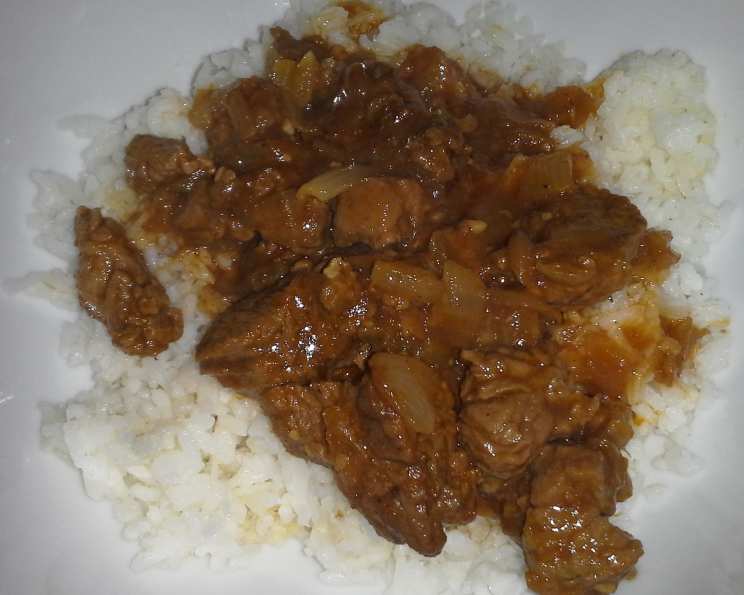
Ethiopian Spicy Beef Stew (Key Wat): A Taste of Home
The first time I tasted Key Wat, I was a wide-eyed culinary student volunteering at a local Ethiopian festival. The aroma alone, a heady mix of warm spices and savory beef, pulled me in like a magnet. The rich, complex flavors coated my tongue, a revelation of slow-cooked perfection. It wasn’t just a stew; it was a history lesson, a cultural experience, and a memory I’ve cherished, and tirelessly sought to replicate, ever since.
Recipe Overview
- Prep Time: 30 minutes
- Cook Time: 1 hour 30 minutes
- Total Time: 2 hours
- Servings: 4-6
- Yield: Varies based on liquid reduction
- Dietary Type: Not suitable for Vegan/Vegetarian/Gluten-Free
Ingredients
For the Berbere Spice Mixture:
- 1/2 teaspoon ground cumin
- 1 teaspoon ground fenugreek
- 1/4 teaspoon ground nutmeg
- 1/2 teaspoon black pepper
- 1/4 teaspoon turmeric
- 4 tablespoons hot pepper flakes, dried, red (60 ml)
- 2 tablespoons paprika (30 ml)
- 1 teaspoon dried ginger
- 2 teaspoons dried onion flakes
- 1/2 teaspoon garlic powder (or flakes)
- 1/4 teaspoon ground allspice
- 3/4 teaspoon cardamom seed
- 1/2 teaspoon ground cloves
- 1 teaspoon ground coriander powder
- 1/2 teaspoon ground cinnamon
For the Beef Stew:
- 1 1/2 lbs beef, cut into 1-inch cubes (750 g)
- 3 tablespoons oil
- 2 tablespoons ghee (or butter or niter kibbeh)
- 1 onion, small, finely chopped
- 2 garlic cloves, chopped and crushed
- 2 teaspoons berbere spice
- 2 tablespoons tomato paste
- 1/2 teaspoon sugar
- 2 cups beef stock (500 ml, can use water)
- 2 teaspoons sea salt (or to taste)
Ingredient Notes:
- Niter Kibbeh: If you can find it, using Niter Kibbeh (Ethiopian spiced clarified butter) will significantly enhance the authenticity of the flavor.
- Berbere: While making your own Berbere is ideal for controlling the spice level, pre-made blends are readily available at specialty stores. Adjust the amount in the stew to your spice preference.
Equipment Needed
- Dry skillet or pan for toasting spices
- Spice grinder or coffee grinder
- Large, heavy-bottomed pot or Dutch oven
- Cutting board
- Chef’s knife
- Measuring spoons and cups
Instructions
- Prepare the Berbere Spice Mix: Combine all the Berbere spice ingredients in a dry, hot skillet or pan. Toast the spices over medium heat, shaking the pan frequently to prevent scorching. The spices are ready when they become fragrant, typically after 2-3 minutes.
- Cool and Grind: Remove the toasted spice mixture from the heat and let it cool completely. Once cooled, grind the mixture into a fine powder using a spice grinder or a clean coffee grinder. Store any leftover spice in an airtight container in a cool, dark place.
- Sear the Beef: In your heavy-bottomed pot or Dutch oven, heat the oil over medium-high heat. Season the beef cubes with salt. Working in batches to avoid overcrowding the pot, sear the beef on all sides until nicely browned. This step is crucial for developing a rich, deep flavor. Remove the seared beef from the pot and set aside.
- Sauté the Aromatics: Reduce the heat to medium. Add the ghee (or butter or Niter Kibbeh) to the pot. Once melted, add the finely chopped onion and cook, stirring occasionally, until very soft and just beginning to caramelize – about 8-10 minutes.
- Build the Flavor Base: Add the chopped and crushed garlic to the softened onions and cook for another minute until fragrant, being careful not to burn the garlic. Stir in the Berbere spice, tomato paste, and sugar. Mix well to combine, and cook for 2-3 minutes, allowing the spices to bloom and the tomato paste to caramelize slightly. This step deepens the flavor of the stew.
- Create the Paste: Add a small amount of the beef stock (or water) to the pot and stir vigorously to create a thick paste with the spice mixture. This helps to evenly distribute the flavors throughout the stew.
- Simmer the Stew: Return the seared beef to the pot. Pour in the remaining beef stock (or water) and stir to combine. Season with sea salt (or to taste). Bring the stew to a gentle simmer, then reduce the heat to low, cover the pot, and cook gently for 1 hour, or until the beef is very tender and the sauce has thickened and reduced. Stir occasionally to prevent sticking. If the sauce becomes too thick during cooking, add a little more beef stock or water.
- Taste and Adjust: Taste the stew and adjust the seasoning as needed. You may want to add more salt, Berbere spice, or even a touch more sugar to balance the flavors. The stew should be rich, savory, and slightly spicy, with a complex depth of flavor.
Expert Tips & Tricks
- Spice Level: The heat level in Key Wat comes primarily from the Berbere spice mixture. Adjust the amount of hot pepper flakes in your homemade Berbere, or the amount of pre-made Berbere you add to the stew, to suit your personal preference.
- Slow and Low: The key to a tender and flavorful Key Wat is slow cooking. Don’t rush the process. Allowing the stew to simmer gently for at least an hour ensures that the beef becomes incredibly tender and the flavors meld together beautifully.
- Niter Kibbeh Substitute: If you cannot find Niter Kibbeh, you can infuse regular clarified butter with some of the same spices used in Berbere. Gently heat the butter with a small amount of ginger, garlic, turmeric, and cardamom for about 15 minutes, then strain and use as directed in the recipe.
- Make Ahead: Key Wat is a fantastic make-ahead dish. The flavors actually improve as the stew sits, allowing the spices to meld even further. Prepare the stew a day or two in advance, and simply reheat it before serving.
- Thickening the Stew: If your stew is not thickening to your liking, you can remove a small amount of the sauce, whisk in a teaspoon of cornstarch, and then return the mixture to the pot. Simmer for a few more minutes until thickened.
Serving & Storage Suggestions
Traditionally, Key Wat is served with Injera, the spongy Ethiopian flatbread that acts as both plate and utensil. Tear off pieces of Injera and use them to scoop up the stew. You can also serve it with rice or other grains. A dollop of plain yogurt can help cool down the spice if needed.
Leftover Key Wat should be stored in an airtight container in the refrigerator for up to 3-4 days. It can also be frozen for up to 2-3 months. Thaw overnight in the refrigerator before reheating. Reheat gently on the stovetop over medium heat, stirring occasionally, until heated through. You may need to add a little bit of beef stock or water if the stew has thickened too much during storage.
Nutritional Information
| Nutrient | Amount per Serving | % Daily Value |
|---|---|---|
| Calories | 580 kcal | 29% |
| Total Fat | 35g | 54% |
| Saturated Fat | 18g | 90% |
| Cholesterol | 90mg | 30% |
| Sodium | 800mg | 33% |
| Total Carbohydrate | 20g | 7% |
| Dietary Fiber | 5g | 20% |
| Sugars | 5g | – |
| Protein | 40g | 80% |
Note: Nutritional information is an estimate and may vary based on specific ingredients and portion sizes.
Variations & Substitutions
- Chicken or Lamb: Substitute the beef with chicken or lamb for a different flavor profile. Adjust cooking time accordingly.
- Vegetarian Version: While not traditional, you can adapt this recipe for a vegetarian version by using lentils or chickpeas instead of beef. Increase the cooking time as needed to ensure the lentils or chickpeas are tender. Use vegetable broth instead of beef stock.
- Spice Level Adjustment: As mentioned earlier, you can control the spice level by adjusting the amount of Berbere. For a milder version, start with a smaller amount of Berbere and add more to taste. You can also add a dollop of yogurt or sour cream to each serving to help cool down the spice.
- Vegetable Additions: Add other vegetables like carrots, potatoes, or green beans for a heartier stew. Add them towards the end of the cooking time to prevent them from becoming mushy.
FAQs (Frequently Asked Questions)
Q: What is Berbere spice?
A: Berbere is a complex Ethiopian spice blend that typically includes chili peppers, garlic, ginger, basil, and other spices. It’s responsible for the signature flavor and heat in many Ethiopian dishes.
Q: Can I make Berbere ahead of time?
A: Absolutely! In fact, it’s recommended. Storing it in an airtight container in a cool, dark place will keep it fresh for several months.
Q: What is Injera and where can I find it?
A: Injera is a spongy, slightly sour flatbread made from teff flour, a grain native to Ethiopia. You can find it at Ethiopian restaurants or specialty food stores.
Q: Can I use water instead of beef stock?
A: Yes, you can use water in a pinch, but beef stock will add more depth and richness to the flavor.
Q: How do I know when the beef is done?
A: The beef should be very tender and easily shredded with a fork. If it’s still tough, continue to simmer the stew until it reaches the desired tenderness.
Final Thoughts
Key Wat is more than just a recipe; it’s an invitation to explore the vibrant flavors of Ethiopian cuisine. Don’t be intimidated by the list of ingredients – the process is surprisingly simple, and the reward is a deeply satisfying and flavorful stew that will transport you to another world. I encourage you to try this recipe, experiment with the spice levels, and share your feedback. Pair it with a side of sauteed greens or a crisp, dry white wine for a truly unforgettable meal. Enjoy!