
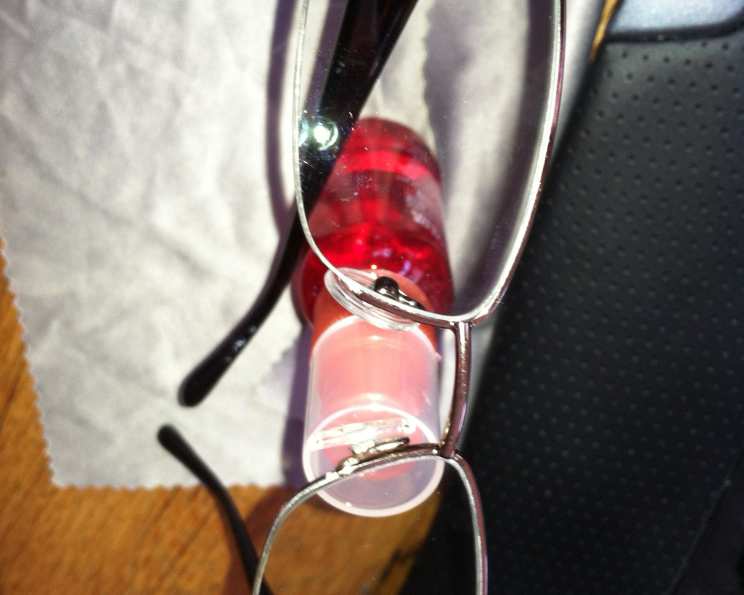
The Ultimate DIY Eyeglass Cleaner Refill: A Crystal-Clear Solution
I remember the first time I truly appreciated a clear view. It wasn’t scaling a mountain or gazing at the ocean; it was the moment I slipped on my freshly cleaned glasses after a long day in a steamy kitchen. The world snapped into focus, colors popped, and I realized how much I’d been missing. And that’s when I thought: there has to be a better way to keep my lenses sparkling without breaking the bank.
Recipe Overview:
- Prep Time: 3 minutes
- Cook Time: 0 minutes
- Total Time: 3 minutes
- Yields: 1 bottle
- Dietary Type: Vegan
Ingredients:
- 1 ounce isopropyl rubbing alcohol
- 2 ounces distilled water
Equipment Needed:
- Empty spray bottle (previously used eyeglass cleaner bottle is ideal)
- Measuring tools (ounce jigger or measuring spoons)
- Small funnel (optional, but helpful)
Instructions:
- Prepare the Bottle: Ensure your empty spray bottle is clean and dry to avoid contaminating your fresh cleaner. Give it a good rinse with distilled water to remove any residue from the previous solution.
- Measure the Alcohol: Carefully measure 1 ounce of isopropyl rubbing alcohol. A standard jigger or a set of measuring spoons will work perfectly. Precision here helps achieve the optimal cleaning power.
- Add the Water: Now, measure 2 ounces of distilled water. Using distilled water is crucial, as tap water contains minerals that can leave streaks or spots on your lenses.
- Combine Ingredients: Using a small funnel (if available, to prevent spills), carefully pour the isopropyl rubbing alcohol and distilled water into the spray bottle.
- Mix Gently: Close the spray bottle tightly and gently shake to combine the ingredients. Avoid vigorous shaking, which can create excessive bubbles. A gentle swirling motion is all you need.
- Test and Use: Your eyeglass cleaner is now ready! Spray a small amount onto your glasses and gently wipe with a clean, soft microfiber cloth. Enjoy your streak-free view!
Expert Tips & Tricks:
- Isopropyl Alcohol Concentration: Aim for 70% isopropyl alcohol or higher. This concentration effectively cleans and disinfects without damaging your lenses. Lower concentrations may not be as effective at removing stubborn smudges.
- Microfiber Cloth Matters: Invest in high-quality microfiber cloths specifically designed for cleaning eyeglasses. These cloths are lint-free and won’t scratch your lenses. Wash your microfiber cloths regularly to keep them clean and effective.
- Avoid Abrasives: Never use paper towels, tissues, or rough cloths to clean your glasses, as they can scratch the lenses.
- Streak-Free Secrets: If you experience streaks, ensure your microfiber cloth is clean and dry. You may also be using too much cleaner. A light mist is all you need.
- Lens Coatings: This solution is generally safe for most lens coatings, including anti-reflective and scratch-resistant coatings. However, if you have extremely delicate or specialty coatings, consult your eye doctor or the lens manufacturer before using any homemade cleaner.
- Prevent Clogging: To prevent the spray nozzle from clogging, occasionally spray a bit of cleaner into the air to clear any residue.
- Ingredient Quality: Always use high-quality isopropyl alcohol and distilled water for the best results. Impurities in lower-quality ingredients can leave residue on your lenses.
Serving & Storage Suggestions:
This DIY eyeglass cleaner refill is intended for immediate use. However, if you make a larger batch, store it in a tightly sealed spray bottle in a cool, dark place to prevent evaporation and maintain its effectiveness. The solution should remain effective for several months, but it’s best to use it within 6-12 months for optimal performance. There is no need to refrigerate or freeze the solution.
Nutritional Information:
Since this is a cleaning solution and not a food item, it has no nutritional value.
| Nutrient | Amount per Serving | % Daily Value |
|---|---|---|
| Calories | 0 kcal | 0% |
| Total Fat | 0g | 0% |
| Saturated Fat | 0g | 0% |
| Cholesterol | 0mg | 0% |
| Sodium | 0mg | 0% |
| Total Carbohydrate | 0g | 0% |
| Dietary Fiber | 0g | 0% |
| Sugars | 0g | 0% |
| Protein | 0g | 0% |
Variations & Substitutions:
- Vinegar Addition: Some people add a tiny splash of white vinegar (about 1/4 teaspoon) for extra cleaning power. However, use this sparingly, as vinegar can be acidic and may not be suitable for all lens coatings.
- Essential Oil Infusion (Use with Caution): For a subtle scent, you could add a single drop of a mild essential oil like lavender or tea tree oil. However, essential oils can potentially damage certain lens coatings, so proceed with extreme caution and test on an inconspicuous area first. I generally advise against this.
- Gentle Dish Soap (Highly Discouraged): While some recipes suggest adding a tiny drop of dish soap, I strongly advise against this. Many dish soaps contain harsh chemicals that can damage lens coatings over time.
FAQs (Frequently Asked Questions):
Q: Can I use tap water instead of distilled water?
A: No. Tap water contains minerals that can leave streaks and spots on your lenses, defeating the purpose of cleaning them. Distilled water is essential for a streak-free finish.
Q: Is this solution safe for all types of lenses?
A: Generally, yes. However, if you have specialty lenses with delicate coatings, consult your eye doctor or the lens manufacturer before using any homemade cleaner.
Q: How often should I clean my glasses?
A: Clean your glasses as needed, typically once or twice a day. More frequent cleaning may be necessary if you work in a dusty or dirty environment.
Q: Can I use this cleaner on my phone or tablet screen?
A: Yes, this cleaner is generally safe for cleaning electronic screens, but be sure to spray it onto a microfiber cloth first, rather than directly onto the device.
Q: How can I tell if my microfiber cloth is dirty?
A: If your cloth leaves streaks or smudges, or if it feels gritty, it’s time to wash it. Launder microfiber cloths separately from other items to prevent lint transfer, and avoid using fabric softener.
Final Thoughts:
Making your own eyeglass cleaner refill is not only incredibly easy and cost-effective, but it also gives you control over the ingredients, ensuring a gentle and effective cleaning solution for your precious lenses. Give this recipe a try and experience the joy of a crystal-clear view without the hefty price tag. Feel free to experiment with small variations (with caution, of course!), and share your experiences. Happy cleaning!