
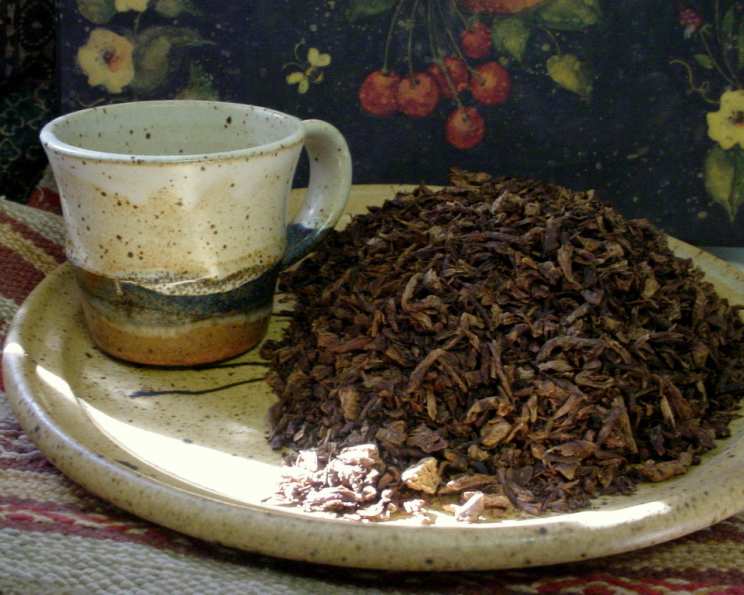
Crafting Your Own Cup: A Journey into the World of Coffee Substitutes
I remember as a child, my grandmother, a woman of deep-rooted herbal wisdom, always had a curious brew simmering on her stove. It wasn’t coffee, not in the traditional sense, but something earthy and robust that filled the house with an intriguing aroma. She called it her “morning elixir,” a blend of foraged roots and spices that kept her energized throughout the day. It wasn’t until years later, delving into the world of culinary alchemy, that I rediscovered the magic of crafting coffee substitutes – a journey into flavors and health that connects us to the land and its bounty.
Recipe Overview:
- Prep Time: 20 minutes
- Cook Time: 1 hour 45 minutes
- Total Time: 2 hours 5 minutes
- Yields: 2 1/2 cups
- Dietary Type: Naturally Gluten-Free, Vegan
Ingredients:
- 8 fresh dandelion root, chopped
- 6 fresh burdock root, roots chopped
- 4 fresh chicory lettuce, roots chopped
- 1 cinnamon stick
- 1⁄4 cup fresh licorice (do not use if you have high blood pressure) or 1/4 cup dried licorice, chopped (do not use if you have high blood pressure)
- 1 tablespoon ginseng roots, ground
Equipment Needed:
- Large ungreased baking pan
- Oven
- Food processor or blender
- Bowl
- Airtight jar
Instructions:
-
Begin by preheating your oven to 300 degrees F (150 degrees C). This moderate temperature will ensure the roots dry out properly without burning.
-
Spread the chopped dandelion, burdock, and chicory roots evenly on the large ungreased baking pan. Make sure they are in a single layer to promote even drying and roasting.
-
Bake the roots for 45 minutes, stirring them after 20 minutes. This initial baking period allows the roots to release some of their moisture and begin to develop their characteristic roasted flavor. They should start to turn a golden color.
-
Reduce the oven heat to 200 degrees F (95 degrees C) and continue to roast the roots for another 45 minutes to 1 hour. Stir the roots every 20 minutes during this second phase. This lower temperature allows for deeper drying and caramelization, contributing to a more complex and coffee-like taste.
-
While the roots are roasting, prepare the cinnamon stick. Crush it in a food processor or blender until it is coarsely ground. This will help release its aromatic oils and ensure it blends well with the other ingredients.
-
Once the roots are thoroughly dried and golden brown, remove them from the oven and let them cool slightly.
-
In a bowl, combine the roasted roots, crushed cinnamon, licorice, and ground ginseng. Mix thoroughly to ensure all the ingredients are evenly distributed. The licorice should be used with caution, especially for those with high blood pressure.
-
Transfer the mixture to an airtight jar for storage. This is crucial. Ensure that the roots are completely dry before storing them, as any residual moisture can lead to mold growth and spoilage.
-
When you’re ready to enjoy your coffee substitute, grind a small amount of the mixture using a spice grinder or blender. Use 1 tablespoon of the ground mixture for every 1 cup of water. You can adjust the amount to your preferred strength. Brew as you would regular coffee, using a French press, drip coffee maker, or even by simmering it on the stovetop.
Expert Tips & Tricks:
- Root Selection is Key: The quality of your roots directly impacts the flavor of your coffee substitute. Opt for fresh, vibrant roots whenever possible. If using dried roots, ensure they are from a reputable source and haven’t expired.
- Roasting Depth: The roasting process is critical for developing the coffee-like flavor. Don’t be afraid to experiment with slightly longer roasting times to achieve a deeper, more intense flavor profile. Just keep a close eye on the roots to prevent burning.
- Licorice Alternatives: If you’re sensitive to licorice or have high blood pressure, consider substituting it with other warming spices like cardamom or star anise. These will add a similar depth of flavor without the potential health concerns.
- Grinding Consistency: For optimal flavor extraction, grind the root mixture to a medium-fine consistency, similar to that of regular coffee grounds.
- Flavor Boosting: A pinch of sea salt after brewing can enhance the flavors and reduce any potential bitterness.
- Making a Large Batch: This recipe is easily scaled up. Simply increase the quantities of all ingredients proportionally.
Serving & Storage Suggestions:
Serve your “fake coffee” hot, just like you would traditional coffee. Add your favorite milk (dairy or non-dairy), sweetener, or spices to taste. It pairs beautifully with a slice of toast, a muffin, or a hearty breakfast.
Store the unground root mixture in an airtight jar in a cool, dark, and dry place. When stored properly, it should last for several months. Once ground, the mixture is best used within a few weeks to preserve its freshness and flavor.
Nutritional Information:
| Nutrient | Amount per Serving | % Daily Value |
|---|---|---|
| Calories | 0 kcal | 0% |
| Total Fat | 0 g | 0% |
| Saturated Fat | 0 g | 0% |
| Cholesterol | 0 mg | 0% |
| Sodium | 0 mg | 0% |
| Total Carbohydrate | 0 g | 0% |
| Dietary Fiber | 0 g | 0% |
| Sugars | 0 g | 0% |
| Protein | 0 g | 0% |
Note: Nutritional information is an estimate and may vary based on ingredient origin and preparation methods.
Variations & Substitutions:
- Roasted Barley: Add roasted barley to the mix for a maltier flavor and a slightly thicker body.
- Rye: A small amount of roasted rye can contribute a subtly spicy note.
- Maple Syrup: If you like a sweeter cup, add a touch of maple syrup during the roasting process to caramelize the roots and impart a deeper sweetness.
- Ginger: Add small pieces of dried ginger before roasting for a zestier cup.
- Herbal Infusion: If you want an entirely caffeine-free brew, try infusing hot water with dried herbs such as peppermint, chamomile, or lemon balm after brewing this ‘coffee.’
FAQs (Frequently Asked Questions):
Q: Can I use pre-dried roots instead of fresh?
A: Yes, you can use pre-dried roots, but the flavor may be slightly different. Adjust the roasting time accordingly, as dried roots will require less time in the oven. Start checking for doneness after about 30 minutes at 300 degrees F (150 degrees C).
Q: Is this coffee substitute caffeine-free?
A: Yes, this coffee substitute is naturally caffeine-free, making it a great option for those looking to reduce their caffeine intake.
Q: Can I use this mixture in a regular coffee maker?
A: Yes, you can use this mixture in a regular drip coffee maker. However, be aware that the resulting brew may be slightly more sediment-heavy than regular coffee.
Q: How can I adjust the flavor to be less bitter?
A: If you find the brew too bitter, try reducing the amount of chicory root or adding a touch of sweetness, such as maple syrup or honey. Roasting for a shorter time can also reduce bitterness.
Q: Can I add other spices to this mixture?
A: Absolutely! Feel free to experiment with other spices like cardamom, nutmeg, or allspice to create your own unique flavor blend.
Final Thoughts:
This “fake coffee” recipe is more than just a coffee substitute; it’s a gateway to exploring the rich and diverse flavors of the plant kingdom. Embrace the process of foraging (responsibly and with proper identification, of course!), roasting, and blending these earthy ingredients. Experiment, adapt, and create a brew that truly resonates with your taste and needs. Share your creations with friends and family, and let them experience the delightful surprise of this naturally energizing and flavorful elixir. I hope that you can start your mornings with this drink, knowing that your cup contains the wisdom of the earth.