
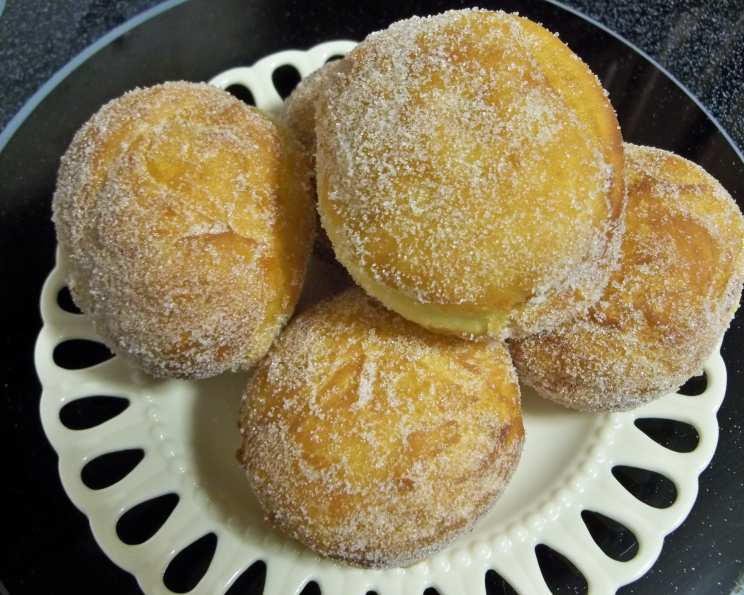
Fastnachts: A Taste of Tradition
Every year, as the last echoes of Carnival faded and the first hints of spring were in the air, my Oma would begin her Fastnacht preparations. The entire house transformed into a haven of yeasty aromas and powdered sugar snowstorms. I remember perched on a stool, mesmerized as she expertly rolled and cut the dough, her flour-dusted hands a blur of practiced motion. The anticipation of biting into those warm, pillowy doughnuts, coated in a generous layer of sugar, was almost unbearable. It wasn’t just a treat; it was a taste of heritage, a symbol of family and the traditions we held dear.
Recipe Overview
- Prep Time: 1 hour 30 minutes (includes rising time)
- Cook Time: 15-20 minutes
- Total Time: 3 hours 30 minutes (includes proving)
- Yields: 25 doughnuts
- Dietary Type: Not suitable for vegans or those with dairy/gluten intolerances.
Ingredients
- 1 cup lukewarm milk
- 1 fresh yeast cake (or 2 1/4 teaspoons active dry yeast)
- ¾ cup soft butter
- 2 tablespoons sugar
- 6 eggs
- 6 cups flour
- 2 teaspoons salt
- Vegetable oil or lard, for frying
- Granulated sugar, for coating
Equipment Needed
- Large mixing bowl
- Clean kitchen towel
- Rolling pin
- Dough cutter or knife
- Deep pot or fryer
- Slotted spoon or spider
- Paper towels
- Shallow dish
Instructions
- Activate the Yeast: In a large mixing bowl, gently crumble the fresh yeast cake into the lukewarm milk. If using active dry yeast, sprinkle it over the milk and let it stand for about 5-10 minutes until foamy. This step is crucial to ensure your yeast is active and will leaven the dough properly.
- Combine Dry Ingredients: In a separate large bowl, sift together the flour and salt. Sifting helps to aerate the flour, resulting in a lighter and fluffier doughnut.
- Create a Well: Make a well in the center of the flour mixture. This provides a space to add the wet ingredients.
- Combine Wet and Dry: Pour the dissolved yeast mixture, soft butter, sugar, and eggs into the well in the flour mixture.
- Mix the Dough: Begin to mix the ingredients together. Start slowly, gradually incorporating the flour into the wet ingredients. Continue mixing until a dough forms that is smooth but slightly sticky. If the dough is too sticky to handle, add flour one tablespoon at a time until it reaches the right consistency. Remember, a slightly sticky dough will result in a softer Fastnacht.
- First Rise: Cover the bowl with a clean kitchen towel and place it in a warm place to rise until doubled in size. This will take approximately 1-1.5 hours, depending on the temperature of your kitchen. A warm environment encourages the yeast to work its magic.
- Punch Down the Dough: Once the dough has doubled, gently punch it down to release the air. This helps to redistribute the yeast and create a more even texture.
- Rest the Dough: Cover the dough again and let it rest for 10 minutes. This allows the gluten to relax, making it easier to roll out.
- Roll and Cut: On a lightly floured surface, roll out the dough to about ¼-inch thickness. Use a dough cutter or knife to cut out your Fastnachts. You can make them round, square, or any shape you desire. Traditionally, they are round or diamond-shaped.
- Second Rise: Place the cut Fastnachts on a baking sheet lined with parchment paper. Cover them lightly and let them rise for another 20-30 minutes. This second rise is essential for creating a light and airy texture.
- Heat the Frying Fat: While the Fastnachts are rising, heat your vegetable oil or lard in a deep pot or fryer to 350°F (175°C). Using a thermometer is the best way to ensure the oil is at the correct temperature. If the oil is too hot, the doughnuts will brown too quickly on the outside and remain raw on the inside. If it’s too cool, they will absorb too much oil and become greasy.
- Fry the Fastnachts: Carefully fry the Fastnachts in the hot oil until they are light brown on both sides. This should take about 2-3 minutes per side. Use a slotted spoon or spider to carefully turn them over.
- Drain and Sugar: Remove the fried Fastnachts from the oil and place them on a plate lined with paper towels to drain any excess oil. While they are still hot, roll them in granulated sugar to coat them completely. The heat helps the sugar adhere to the doughnuts.
Expert Tips & Tricks
- Yeast Activity: Always check the expiration date on your yeast. If you’re unsure if your yeast is active, test it by adding it to warm water with a pinch of sugar. If it doesn’t foam up within 5-10 minutes, it’s likely dead and you’ll need to use fresh yeast.
- Dough Temperature: The temperature of your ingredients can affect the rising time of the dough. Using lukewarm milk and softened butter helps to create an ideal environment for the yeast to thrive.
- Frying Temperature: Maintaining a consistent oil temperature is key to achieving perfectly cooked Fastnachts. Use a thermometer and adjust the heat as needed to keep the oil at 350°F (175°C).
- Avoid Overcrowding: Don’t overcrowd the pot when frying the Fastnachts. Frying too many at once will lower the oil temperature and result in greasy doughnuts.
- Flavor Infusion: For an extra touch of flavor, consider adding a teaspoon of vanilla extract or lemon zest to the dough.
Serving & Storage Suggestions
Serve Fastnachts warm, ideally within a few hours of frying. They are best enjoyed fresh, when they are at their softest and most flavorful. To store leftovers, place them in an airtight container at room temperature. They will remain good for 1-2 days, but their texture may become slightly drier. You can also freeze them for longer storage. To reheat, warm them in a low oven (around 300°F or 150°C) for a few minutes, or microwave them briefly. A dusting of fresh sugar after reheating can revive their flavor and appearance.
Nutritional Information
| Nutrient | Amount per Serving | % Daily Value |
|---|---|---|
| Calories | 186 kcal | – |
| Calories from Fat | – | 35% |
| Total Fat | 7.3g | 11% |
| Saturated Fat | 4.1g | 20% |
| Cholesterol | 60.6mg | 20% |
| Sodium | 257.3mg | 10% |
| Total Carbohydrate | 24.6g | 8% |
| Dietary Fiber | 0.9g | 3% |
| Sugars | 1.1g | 4% |
| Protein | 5g | 10% |
Note: Nutritional information is an estimate and may vary depending on specific ingredients and portion sizes.
Variations & Substitutions
- Filled Fastnachts: Inject your Fastnachts with fruit jam, pastry cream, or chocolate filling after frying. Use a piping bag fitted with a small nozzle to create a small hole and fill the doughnuts.
- Spiced Fastnachts: Add a pinch of ground cinnamon, nutmeg, or cardamom to the dough for a warm and fragrant flavor.
- Glazed Fastnachts: Instead of rolling them in sugar, dip the cooled Fastnachts in a simple glaze made from powdered sugar and milk.
- Citrus Infusion: Add the zest of an orange or lemon to the dough for a bright and refreshing flavor.
FAQs (Frequently Asked Questions)
Q: Can I use active dry yeast instead of fresh yeast?
A: Yes, you can substitute 2 1/4 teaspoons of active dry yeast for the fresh yeast cake. Just make sure to activate it in the lukewarm milk first.
Q: Why are my Fastnachts greasy?
A: This is usually caused by the oil not being hot enough. Ensure your oil is at 350°F (175°C) before frying and maintain that temperature throughout the process.
Q: Can I bake these instead of frying them?
A: While traditionally fried, you can bake them at 375°F (190°C) for 12-15 minutes, or until golden brown. However, the texture will be different, and they won’t be as light and airy as the fried version.
Q: How do I prevent the sugar from melting off the Fastnachts?
A: Rolling the Fastnachts in sugar while they are still hot is key to helping the sugar adhere properly. If the sugar melts too much, try using a coarser sugar, such as sanding sugar.
Q: Can I make the dough ahead of time?
A: Yes, you can prepare the dough the day before and store it in the refrigerator. Just punch it down before refrigerating, and then let it come to room temperature before rolling and cutting the Fastnachts.
Final Thoughts
Fastnachts are more than just doughnuts; they are a celebration of tradition and a taste of home. Whether you’re a seasoned baker or a novice in the kitchen, I encourage you to try this recipe and create your own memories with this beloved treat. Don’t be afraid to experiment with different flavors and fillings to make them your own. And most importantly, share them with loved ones and savor the joy of creating something delicious together. Guten Appetit!