
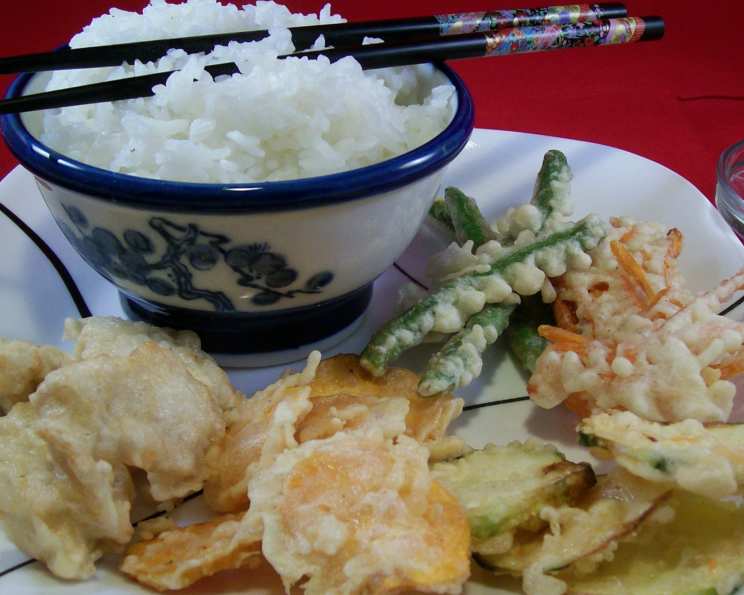
Mastering the Art of Tempura: My Go-To Batter Recipe
The first time I ever tasted truly exceptional tempura, I was a wide-eyed culinary student on a trip to Japan. Forget the heavy, greasy versions I’d encountered before; this was ethereal. Each piece, whether it was a delicate shrimp or a vibrant sliver of bell pepper, possessed a whisper-thin, impossibly crisp coating that shattered with the slightest pressure. The flavor was clean, the texture addictive. I knew then that I had to unlock the secrets of this culinary magic, and I’ve been tweaking and perfecting my tempura batter ever since. This recipe is the culmination of years of experimentation, a reliable and delicious way to bring a taste of that Japanese perfection to your own kitchen.
Recipe Overview
- Prep Time: 15 minutes
- Cook Time: 10-20 minutes (depending on the amount and type of food)
- Total Time: 25-35 minutes
- Servings: 4-6
- Yields: Approximately 60 shrimp
- Dietary Type: Vegetarian (depending on what is fried)
Ingredients
- 1 cup cornstarch
- ¼ cup all-purpose flour
- 1 teaspoon baking soda
- 1 slightly beaten egg
- ½ teaspoon salt
- ¼ teaspoon garlic powder
- ¾ cup cold water
Equipment Needed
- Large mixing bowl
- Whisk
- Deep pot or deep fryer
- Slotted spoon or spider
- Paper towels
- Thermometer (optional, but recommended)
Instructions
-
In a large mixing bowl, whisk together the cornstarch, all-purpose flour, baking soda, salt, and garlic powder. Ensure there are no lumps. The cornstarch is key to the batter’s light and crispy texture.
-
In a separate small bowl, lightly beat the egg. This helps to incorporate it more easily into the dry ingredients.
-
Gradually add the cold water and the beaten egg to the dry ingredients. Whisk gently until just combined. It’s crucial not to overmix the batter; a few lumps are perfectly fine. Overmixing develops the gluten in the flour, leading to a tougher, less crispy tempura. The batter should be thin, like a very light cream.
-
Prepare your chosen ingredients for frying. This could include shrimp (peeled and deveined), vegetables like broccoli florets, bell pepper strips, onion rings, zucchini slices, or even mushrooms. Make sure the vegetables are dry, so the batter adheres properly.
-
Heat your oil of choice in a deep pot or deep fryer to 350-375°F (175-190°C). Canola, vegetable, or peanut oil are all good options because of their high smoke points. Use a thermometer to ensure accurate temperature control. If the oil is not hot enough, the tempura will be greasy; if it’s too hot, it will burn before it cooks through.
-
Dip each piece of vegetable or shrimp into the tempura batter, ensuring it is evenly coated. Gently shake off any excess batter before carefully dropping it into the hot oil. Do not overcrowd the pot; fry in batches to maintain the oil temperature.
-
Fry the tempura for 2-3 minutes, or until lightly golden brown and cooked through. The exact cooking time will depend on the size and type of food being fried.
-
Remove the tempura from the oil with a slotted spoon or spider and place it on a plate lined with paper towels to drain excess oil.
-
Season immediately with a sprinkle of salt or your favorite seasoning blend. Serve hot and enjoy the crispy, delicious results!
Expert Tips & Tricks
- Keep the Batter Cold: Cold batter is essential for achieving that light, crispy texture. You can even place the bowl of batter over a bowl of ice water while frying.
- Don’t Overmix: We can’t stress this enough! Overmixing develops the gluten in the flour, resulting in a tough batter.
- Use Cold Water: The colder the water, the better. Some chefs even use sparkling water for an extra light batter.
- Pre-Dust Vegetables: For vegetables that tend to be watery (like zucchini), lightly dust them with cornstarch before dipping them in the batter. This helps the batter adhere better.
- Fry in Small Batches: Overcrowding the pot lowers the oil temperature, resulting in soggy tempura. Work in small batches to maintain the ideal frying temperature.
- Double Fry: For extra crispy tempura, you can fry it once at a slightly lower temperature (325°F/160°C) for a longer period, then a second time at a higher temperature (375°F/190°C) just before serving.
- Prepare Ingredients Ahead of Time: Have all your vegetables and shrimp prepped and ready to go before you start frying. This will streamline the process and ensure consistent results.
Serving & Storage Suggestions
Tempura is best served immediately while it’s still hot and crispy. Serve it with a dipping sauce like tentsuyu (a mixture of dashi, soy sauce, and mirin), grated daikon radish, and grated ginger. A squeeze of lemon or lime can also brighten the flavors.
Leftover tempura can be stored in an airtight container in the refrigerator for up to 2 days. However, it will lose its crispness. To reheat, preheat your oven to 350°F (175°C) and bake the tempura for 5-10 minutes, or until heated through. You can also try reheating it in an air fryer for a few minutes to help restore some of the crispness.
Nutritional Information
(Estimated per serving; values may vary depending on portion size and specific ingredients)
| Nutrient | Amount per Serving | % Daily Value |
|---|---|---|
| Calories | 150 kcal | 8% |
| Total Fat | 5g | 8% |
| Saturated Fat | 1g | 5% |
| Cholesterol | 40mg | 13% |
| Sodium | 200mg | 9% |
| Total Carbohydrate | 20g | 7% |
| Dietary Fiber | 1g | 4% |
| Sugars | 1g | – |
| Protein | 3g | 6% |
Variations & Substitutions
- Gluten-Free Tempura: Substitute the all-purpose flour with a gluten-free all-purpose flour blend.
- Vegan Tempura: Omit the egg entirely and replace it with an additional 1/4 cup of cold water. The batter will still work, though the texture may be slightly different.
- Spice It Up: Add a pinch of cayenne pepper or a dash of your favorite hot sauce to the batter for a spicy kick.
- Herb Infusion: Mix in some finely chopped fresh herbs, such as parsley, cilantro, or chives, to the batter for added flavor and aroma.
- Beer Batter: Substitute half of the cold water with cold beer (lager or pilsner) for a slightly different flavor and texture. The carbonation in the beer can contribute to a lighter batter.
- Sweet Tempura: Add a tablespoon of sugar to the batter and use it to fry fruit like apples, bananas, or pineapple. Serve with a dusting of powdered sugar and a scoop of ice cream for a decadent dessert.
FAQs (Frequently Asked Questions)
Q: Why is my tempura batter not sticking to the vegetables?
A: Make sure your vegetables are dry before dipping them in the batter. Lightly dusting them with cornstarch can also help the batter adhere better.
Q: My tempura is greasy. What am I doing wrong?
A: The oil temperature is likely too low. Use a thermometer to ensure the oil is between 350-375°F (175-190°C). Also, avoid overcrowding the pot, as this can lower the oil temperature.
Q: Can I make the tempura batter ahead of time?
A: It’s best to make the tempura batter right before you’re ready to fry. However, if you need to make it in advance, you can store it in the refrigerator for up to 30 minutes. Be sure to whisk it gently before using.
Q: What’s the best oil for tempura?
A: Oils with high smoke points, such as canola, vegetable, or peanut oil, are ideal for tempura.
Q: How do I keep my tempura crispy after frying?
A: Place the fried tempura on a wire rack lined with paper towels to allow air to circulate and prevent it from becoming soggy. Don’t stack the pieces on top of each other.
Final Thoughts
I hope this recipe empowers you to create your own tempura masterpieces at home! Don’t be afraid to experiment with different vegetables, seafood, and dipping sauces to find your perfect combination. The key is to practice and have fun! And if you ever manage to capture that same ethereal crispness I experienced in Japan, please share your secrets with me. Happy frying!