
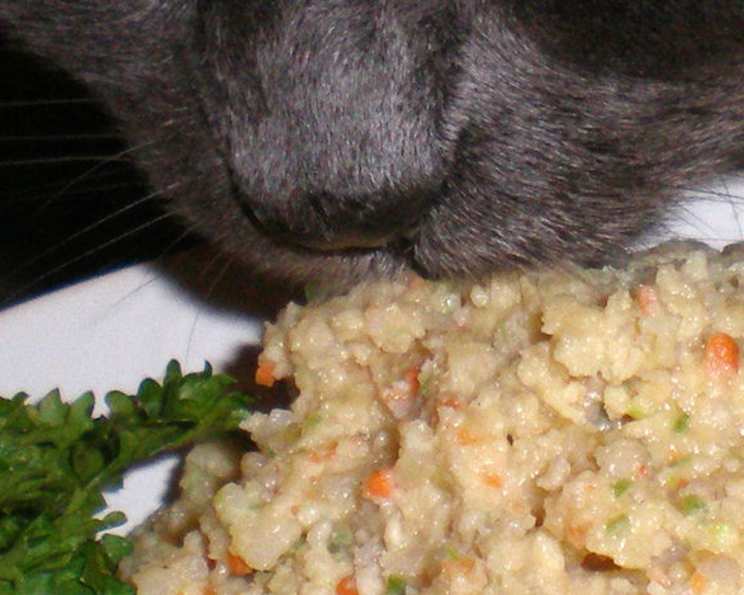
Fee’s Special Kitty Cat Renal/Kidney/Diabetes Diet
I’ll never forget the day my old tabby, Whiskers, started turning up his nose at his usual kibble. He was always such a gourmand, a little dust bunny with an insatiable appetite! Suddenly, he was lethargic, and I knew something was wrong. After a vet visit, it turned out Whiskers had early-stage kidney disease. I remember feeling overwhelmed, searching for ways to keep him happy and healthy. That’s when I delved into the world of specialized diets, and I wish I had found this recipe then. It’s designed to support cats with similar needs, offering a tasty and nourishing option when commercial diets just don’t cut it.
Recipe Overview
- Prep Time: 5 minutes
- Cook Time: 1 minute
- Total Time: 6 minutes
- Yields: 1 cup
- Dietary Type: Renal/Kidney, Diabetic
Ingredients
- 2 eggs
- 2 tablespoons cooked green beans, finely minced
- 2 teaspoons finely minced carrots (If you substitute other vegetables, avoid those with a higher natural sugar content.)
- 2 tablespoons baked chicken breasts, minced (no skin)
- 2⁄3 cup cooked and cooled brown rice (unrefined, wild rice is good)
- 1 -2 tablespoons olive oil (according to how moist your cat prefers his or her food. Olive oil is good for preventing hair balls)
Equipment Needed
- Medium skillet
- Mixing bowl (optional)
- Magic Bullet or similar blender (optional, for pate consistency)
Instructions
-
Thoroughly mix all the ingredients. The rice must be well-incorporated. We all know how discerning cats can be!
-
In a medium skillet over low heat, cook, stirring and “chopping” constantly, until the egg is at least soft-set but done. The gentle heat ensures the eggs cook through without becoming rubbery.
-
Refrigerate or freeze in airtight containers. Use refrigerated portions within 36 hours. Proper storage is key to maintaining freshness and preventing spoilage.
Expert Tips & Tricks
-
Pate Perfection: For cats who prefer a smoother texture, use a Magic Bullet or similar blender to puree the mixture before cooking. This makes it easier for cats with dental issues to eat and ensures all ingredients are evenly distributed.
-
Vegetable Variety (With Caution): While this recipe specifies green beans and carrots, you can experiment with other low-phosphorus vegetables like zucchini or cucumber. However, be mindful of the sugar content in other vegetables; high-sugar vegetables are not suitable for diabetic cats.
-
Chicken Considerations: Use plain baked chicken breasts without any seasonings or marinades. Avoid using chicken skin as it is high in fat.
-
Rice Right: Brown rice is preferred for its fiber content, which is beneficial for diabetic cats. Ensure the rice is cooked thoroughly before adding it to the mix.
-
Oil Adjustment: Adjust the amount of olive oil based on your cat’s preference. Olive oil is a good source of healthy fats and can help prevent hairballs.
-
Freezing in Portions: Freeze the mixture in individual portions for convenience. This will help prevent waste and ensure that your cat always has a fresh meal.
-
The Picky Eater: If your cat is a picky eater, start by introducing the new food slowly, mixing it with their regular food. Gradually increase the amount of the new food over several days until your cat is fully transitioned.
-
Bland is Best: When a cat is dealing with kidney or diabetic issues, it’s best to avoid strong flavors or seasonings. Keep the recipe simple and focus on the nutritional benefits of each ingredient.
Serving & Storage Suggestions
Serve Fee’s Special Kitty Cat Renal/Kidney/Diabetes Diet at room temperature or slightly warmed. Always provide fresh water alongside the food.
-
Refrigerator: Store leftover portions in an airtight container in the refrigerator for up to 36 hours.
-
Freezer: Freeze portions in airtight containers for up to 1 month. Thaw in the refrigerator overnight before serving.
-
Reheating: Gently reheat the food in the microwave or on the stovetop until warmed through. Be sure to stir it well to distribute the heat evenly and avoid hot spots.
Nutritional Information
Please note that this is an estimated nutritional breakdown, and actual values may vary depending on specific ingredients and portion sizes.
| Nutrient | Amount per Serving (approx. 1 cup) | % Daily Value (estimated for a typical adult cat) |
|---|---|---|
| Calories | 725 kcal | N/A |
| Total Fat | 27g | N/A |
| Saturated Fat | 6g | N/A |
| Cholesterol | 372mg | N/A |
| Sodium | 155mg | N/A |
| Total Carbohydrate | 97g | N/A |
| Dietary Fiber | 5g | N/A |
| Sugars | 2g | N/A |
| Protein | 23g | N/A |
Daily values for cats are not standardized and depend on weight, activity level, and specific health conditions. Consult your veterinarian for personalized dietary recommendations.
Variations & Substitutions
-
Protein Source: If your cat has a chicken allergy, you can substitute with cooked turkey or white fish (ensure all bones are removed). Adjust the amount of protein based on your vet’s recommendation.
-
Grain-Free Option: While brown rice offers valuable fiber, you can explore alternatives like quinoa or sweet potato for a grain-free version, but always check with your vet first.
-
Vegetable Swaps: Experiment with other low-phosphorus vegetables, such as steamed asparagus tips or small amounts of pureed pumpkin (unsweetened).
-
Omega-3 Boost: Consider adding a small amount of fish oil to further support kidney health. Consult your veterinarian for the appropriate dosage.
FAQs (Frequently Asked Questions)
Q: Why is this recipe beneficial for cats with kidney disease?
A: This recipe contains controlled levels of protein and phosphorus, which are important for managing kidney disease in cats. High-quality protein sources and low-phosphorus vegetables help reduce the workload on the kidneys.
Q: Can I use white rice instead of brown rice?
A: While you can, brown rice is preferred due to its higher fiber content, which is beneficial for diabetic cats. White rice has a higher glycemic index and may not be suitable for diabetic pets.
Q: How often can I feed my cat this recipe?
A: This depends on your cat’s specific needs and dietary recommendations. Consult with your veterinarian to determine the appropriate frequency and portion sizes. It can be offered as a supplement to a prescription diet or as a primary food source, depending on your vet’s advice.
Q: What if my cat refuses to eat this food?
A: Introduce the new food gradually, mixing it with their regular food. You can also try warming the food slightly to enhance its aroma and palatability. If your cat is still hesitant, consult your veterinarian for additional tips or alternative recipes.
Q: How do I know if this diet is working for my cat?
A: Regular veterinary checkups, including blood work and urine tests, are essential to monitor your cat’s kidney function and overall health. Discuss any concerns or changes in your cat’s behavior or appetite with your vet.
Final Thoughts
Navigating a pet’s health challenges can be daunting, but providing a nutritious and tailored diet can make a world of difference. Fee’s Special Kitty Cat Renal/Kidney/Diabetes Diet is more than just a recipe; it’s a testament to the love and care we provide our feline companions. I encourage you to try this recipe (with your vet’s approval, of course!), share your experiences, and perhaps even adapt it to your cat’s unique preferences. A healthy, happy cat is a gift worth cherishing!