
Fermented Ketchup: A Chef’s Secret for Unforgettable Flavor
I’ll never forget the first time I tasted truly exceptional ketchup. It wasn’t from a bottle, that’s for sure! A local farmer had fermented his own using honey from his hives and spices from his garden. The complex tang and subtle sweetness were a revelation – it forever changed my perception of what ketchup could be. It was less a condiment and more a culinary experience, one I’ve been striving to recreate ever since. This recipe is my take on that unforgettable flavor, offering a homemade ketchup that will elevate everything from burgers to fries.
Recipe Overview
- Prep Time: 5 minutes
- Cook Time: 3-5 days (fermentation)
- Total Time: 3-5 days, 5 minutes
- Servings: 20
- Yield: Approximately 20 tablespoons
- Dietary Type: Gluten-Free, Vegetarian
Ingredients
- 7 ounces tomato paste
- 2 tablespoons dark raw honey
- 3 tablespoons fresh whey
- 1 tablespoon raw apple cider vinegar
- 1 teaspoon powdered beet juice (optional, for color enhancement)
- 1/2 teaspoon sea salt
- 1/2 teaspoon onion powder
- 1/2 teaspoon garlic powder
- 1/4 teaspoon allspice
- 1/4 teaspoon ground cloves
- 1/4 teaspoon coriander
Equipment Needed
- Small mixing bowl
- Whisk (or food processor/stick blender for a smoother texture)
- Small jar (for fermentation)
- Cloth, coffee filter, or loose lid
Instructions
- In a small mixing bowl, combine the tomato paste, dark raw honey, fresh whey, raw apple cider vinegar, powdered beet juice (if using), sea salt, onion powder, garlic powder, allspice, ground cloves, and coriander.
- Whisk all ingredients together thoroughly until a smooth, uniform mixture is achieved. For an extra silky texture, use a food processor or stick blender to ensure everything is perfectly integrated. This step will help break down the tomato paste and incorporate the honey and spices evenly.
- Spoon the mixture into a small jar. Ensure the jar is clean but doesn’t need to be sterilized as the fermentation process will create an acidic environment.
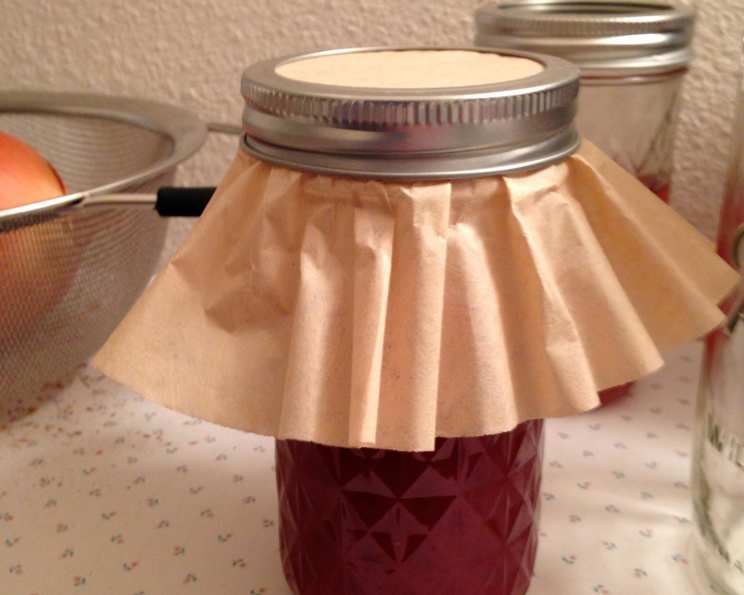
- Cover the jar loosely with a breathable material such as a clean cloth, a coffee filter secured with a rubber band, or a loosely fitted lid. This “open ferment” allows beneficial bacteria to access the ketchup while preventing unwanted contaminants from entering.
- Allow the ketchup to ferment in a cool, dark place for three to five days. The ideal temperature range is between 60-70°F (15-21°C). Warmer temperatures may accelerate fermentation, but could also lead to undesirable flavors. Taste the ketchup daily, starting on day three, to gauge the level of fermentation and adjust the timing to your preference. You’ll notice the flavor deepening and a slight tanginess developing as the fermentation progresses.
- Once the desired level of fermentation is achieved, cover the jar tightly with an airtight lid and refrigerate.
Expert Tips & Tricks
- Honey Matters: The type of honey you use will significantly impact the final flavor of your ketchup. Darker honeys, like buckwheat or chestnut, offer a more robust, complex flavor profile, while lighter honeys, such as clover or wildflower, will result in a milder, sweeter ketchup. Experiment to find your favorite!
- Whey Wisdom: Fresh whey is the liquid leftover from cheesemaking. If you don’t have access to fresh whey, you can substitute it with 1 tablespoon of yogurt, kefir, or even sauerkraut juice. These alternatives will provide the beneficial bacteria necessary for fermentation, though the flavor may differ slightly.
- Spice it Up: Don’t be afraid to adjust the spice blend to suit your taste. A pinch of smoked paprika can add a smoky depth, while a dash of cayenne pepper can provide a subtle kick. Consider adding a small amount of ground ginger or even a tiny bit of cinnamon for a unique twist.
- Consistency Control: If your ketchup becomes too thick during fermentation, you can add a tablespoon or two of water to thin it out. Alternatively, if it’s too thin, you can add a small amount of tomato paste to thicken it up.
- Non-Fermented Option: If you prefer not to ferment the ketchup, you can omit the whey. However, the ketchup will only keep for a few days in the refrigerator.
Serving & Storage Suggestions
This fermented ketchup is incredibly versatile and can be used in any application where you’d typically use store-bought ketchup. It’s fantastic on burgers, hot dogs, fries, and grilled vegetables. It also makes a delicious dipping sauce for chicken nuggets or onion rings.
To store the ketchup, keep it tightly sealed in the refrigerator. Fermented ketchup will keep for several months due to the preservative qualities developed during fermentation. Always check for any signs of spoilage, such as mold or an off odor, before consuming.
Nutritional Information
(Estimated per tablespoon)
| Nutrient | Amount per Serving | % Daily Value |
|---|---|---|
| Calories | 15 kcal | 1% |
| Total Fat | 0.1g | 0% |
| Saturated Fat | 0g | 0% |
| Cholesterol | 0mg | 0% |
| Sodium | 137mg | 6% |
| Total Carbohydrate | 3.8g | 1% |
| Dietary Fiber | 0.5g | 2% |
| Sugars | 3g | 6% |
| Protein | 0.5g | 1% |
Variations & Substitutions
- Spicy Ketchup: Add a pinch of cayenne pepper or a finely minced jalapeno to the mixture before fermenting.
- Smoked Ketchup: Incorporate 1/2 teaspoon of smoked paprika for a smoky flavor.
- Sweet and Tangy Ketchup: Use a combination of honey and maple syrup for a sweeter, more complex flavor.
- Herby Ketchup: Add a tablespoon of finely chopped fresh herbs like basil, oregano, or thyme to the mixture before fermenting.
- Vegan Ketchup: While this recipe is naturally vegetarian and gluten-free, ensuring your whey source is vegetarian-friendly is key. Some cheesemaking processes use animal rennet.
FAQs (Frequently Asked Questions)
Q: What does fermentation do for ketchup?
A: Fermentation introduces beneficial bacteria that break down the sugars and starches in the tomato paste, creating a more complex and tangy flavor profile. It also acts as a natural preservative, extending the shelf life of the ketchup.
Q: Can I use store-bought whey?
A: Fresh whey is ideal, but you can use a small amount of yogurt or kefir whey instead. The flavor might be slightly different, but it will still provide the necessary bacteria for fermentation.
Q: How do I know when the ketchup is done fermenting?
A: Taste the ketchup daily, starting on day three. You’re looking for a noticeably tangier flavor compared to the initial mixture. The intensity of the tang will increase as fermentation progresses.
Q: Can I skip the fermentation process?
A: Yes, you can omit the whey and use the ketchup right away, but it won’t have the same depth of flavor and will only keep for a few days in the refrigerator.
Q: What if my ketchup gets moldy during fermentation?
A: If you see any signs of mold, discard the batch immediately. This indicates that unwanted bacteria have contaminated the ketchup. Be sure to use clean equipment and maintain a cool, dark environment during fermentation.
Final Thoughts
Homemade fermented ketchup is a game-changer. It’s a simple yet rewarding process that transforms ordinary tomato paste into a condiment bursting with flavor and beneficial probiotics. Embrace the art of fermentation and create a ketchup that’s truly your own. Don’t be afraid to experiment with different spices and honey varieties to discover your perfect flavor combination. Share your creations with friends and family, and let them experience the difference that homemade, fermented ketchup can make. And of course, I’d love to hear your feedback and any creative variations you come up with!