
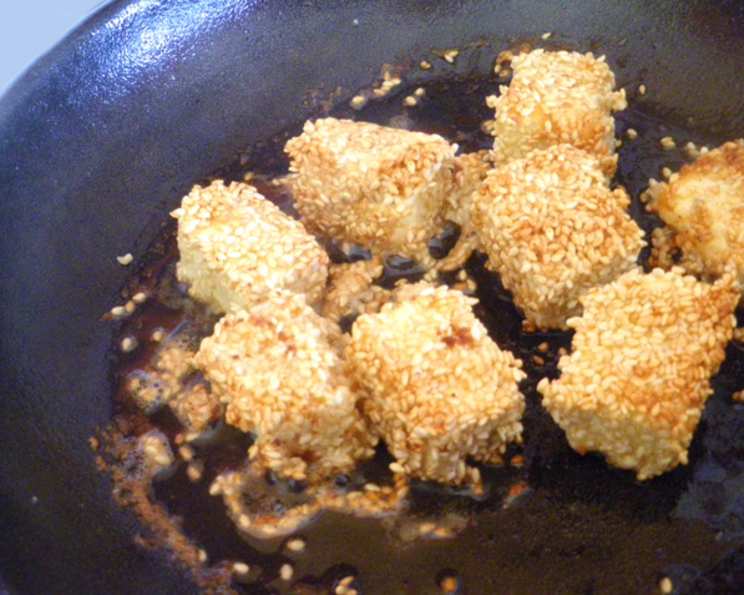
Feta Saganaki With a Sesame-Seed Crust: A Taste of the Greek Isles
The memory is etched in my mind: a small taverna clinging to the side of a cliff in Santorini, the Aegean Sea shimmering below. The air was thick with the scent of herbs and grilling fish. Then came the saganaki – not just any saganaki, but feta transformed into golden-brown, nutty-crusted bites of creamy, salty perfection. That single dish, shared with laughter and a view that stretched to infinity, sparked a lifelong love affair with Greek cuisine, and especially with this deceptively simple yet utterly unforgettable meze.
Recipe Overview
- Prep Time: 10 minutes
- Cook Time: 5 minutes
- Total Time: 15 minutes
- Servings: 4
- Dietary Type: Vegetarian
Ingredients
- 1/4 lb (113g) hard Greek feta cheese or telemes cheese, rectangular in shape
- 1 large egg
- 1 cup sesame seeds
- 1/4 cup extra virgin olive oil
- 2 tablespoons unsalted butter
Equipment Needed
- Shallow bowl
- Large plate
- Large, heavy, nonstick skillet
Instructions
-
First, ensure your feta is a rectangular piece, not triangular. This shape makes it easier to cut evenly. Cut the feta into four ½-inch slices. Then, cut each slice into quarters, creating bite-sized rectangles.
-
In a shallow bowl, beat the egg lightly. On a large plate, spread the sesame seeds in an even layer.
-
Dip each piece of feta first in the egg, ensuring it’s lightly coated on all sides. Immediately transfer the egg-coated feta to the plate of sesame seeds. Press gently to coat each piece thoroughly with the sesame seeds, ensuring they adhere well.
-
In a large, heavy, nonstick skillet, heat the olive oil and butter over medium-high heat. The combination of oil and butter provides both a higher smoke point and richer flavor. Allow the pan to heat up thoroughly before adding the cheese.
-
Carefully place about 6 of the cheese pieces in the skillet, making sure not to overcrowd the pan. Overcrowding will lower the temperature of the oil and prevent the cheese from browning properly. Sauté over medium-high heat for about 1-2 minutes.
-
As soon as the feta begins to soften and the sesame seeds start to turn golden brown, carefully flip each piece over to brown the other side. This should take another 1-2 minutes. Watch closely to prevent burning. The goal is to achieve a beautiful golden-brown crust without completely melting the feta.
-
Remove the browned feta pieces from the skillet and serve immediately.
-
Repeat the process with the remaining feta and sesame seeds, adding more olive oil and butter to the pan if needed. Serve hot and enjoy!
Expert Tips & Tricks
-
Choose the right feta: The success of this recipe hinges on the type of feta you use. Opt for a hard Greek feta, preferably one packed in brine. This type holds its shape better during cooking. If you can’t find Greek feta, telemes cheese is a good substitute. Avoid pre-crumbled feta, as it won’t hold together.
-
Don’t skip the non-stick pan: A non-stick skillet is crucial to prevent the feta from sticking and tearing. If you don’t have a non-stick pan, use a well-seasoned cast-iron skillet.
-
Control the heat: Medium-high heat is ideal for achieving a crispy crust without melting the feta completely. If the sesame seeds are browning too quickly, reduce the heat slightly.
-
Work in batches: Don’t overcrowd the pan. Cook the feta in batches to ensure each piece gets enough heat and browns evenly.
-
Serve immediately: Saganaki is best enjoyed hot, when the feta is still warm and creamy and the sesame seed crust is crispy.
Serving & Storage Suggestions
Serve Feta Saganaki immediately as an appetizer or part of a meze platter. Garnish with a squeeze of fresh lemon juice and a sprinkle of chopped fresh parsley or oregano for added flavor and visual appeal. It pairs beautifully with crusty bread, olives, and a glass of crisp white wine or a traditional Greek ouzo.
Leftovers are best consumed immediately, as the texture will change over time. However, if you must store them, keep them in an airtight container in the refrigerator for up to 24 hours. Reheat gently in a skillet over low heat or in a preheated oven at 300°F (150°C) until warmed through. Note that the sesame seed crust will lose some of its crispness upon reheating. Freezing is not recommended.
Nutritional Information
| Nutrient | Amount per Serving | % Daily Value |
|---|---|---|
| Calories | 215 kcal | 11% |
| Total Fat | 17g | 26% |
| Saturated Fat | 6g | 30% |
| Cholesterol | 50mg | 17% |
| Sodium | 250mg | 11% |
| Total Carbohydrate | 5g | 2% |
| Dietary Fiber | 1g | 4% |
| Sugars | 1g | 2% |
| Protein | 8g | 16% |
Note: Nutritional information is an estimate and may vary based on specific ingredients and portion sizes.
Variations & Substitutions
-
Spicy Saganaki: Add a pinch of red pepper flakes to the sesame seed mixture for a touch of heat.
-
Herb-Infused: Mix chopped fresh herbs, such as thyme, rosemary, or dill, into the sesame seed crust for added flavor.
-
Gluten-Free: Use a gluten-free flour blend instead of egg for the coating. Ensure that the sesame seeds are certified gluten-free, as some may be processed in facilities that also handle wheat.
-
Cheese Variations: While feta is the traditional choice, you can experiment with other firm, salty cheeses like halloumi or kefalotyri. Adjust the cooking time as needed, as different cheeses have different melting points.
FAQs (Frequently Asked Questions)
Q: Can I use pre-crumbled feta for this recipe?
A: No, pre-crumbled feta will not hold its shape during cooking and will likely melt completely. Use a block of hard Greek feta instead.
Q: What is telemes cheese?
A: Telemes is a traditional Greek cheese similar to feta, but it has a slightly milder and creamier flavor. It’s a good substitute if you can’t find hard Greek feta.
Q: Can I prepare the feta ahead of time?
A: You can cut the feta into pieces and coat it with egg and sesame seeds ahead of time, but it’s best to cook it immediately before serving for the best texture.
Q: What if my feta starts to melt too quickly?
A: Reduce the heat slightly to prevent the feta from melting too quickly. You want the sesame seeds to brown and the feta to soften, but not completely melt.
Q: Is there a vegan alternative for the egg wash?
A: Yes, you can use a mixture of cornstarch and water as a vegan alternative to the egg wash. Mix 1 tablespoon of cornstarch with 2 tablespoons of water to create a slurry, then use it to coat the feta before dipping it in sesame seeds.
Final Thoughts
Feta Saganaki with a Sesame-Seed Crust is more than just a recipe; it’s a journey to the sun-drenched shores of Greece, a celebration of simple ingredients transformed into something truly special. Don’t be intimidated by its simplicity – the key is in the quality of the feta and the careful balance of heat. So, gather your ingredients, invite some friends, and prepare to be transported. I encourage you to try this recipe and share your feedback. Serve it alongside a refreshing Greek salad and a glass of chilled retsina for the complete experience. Opa!