
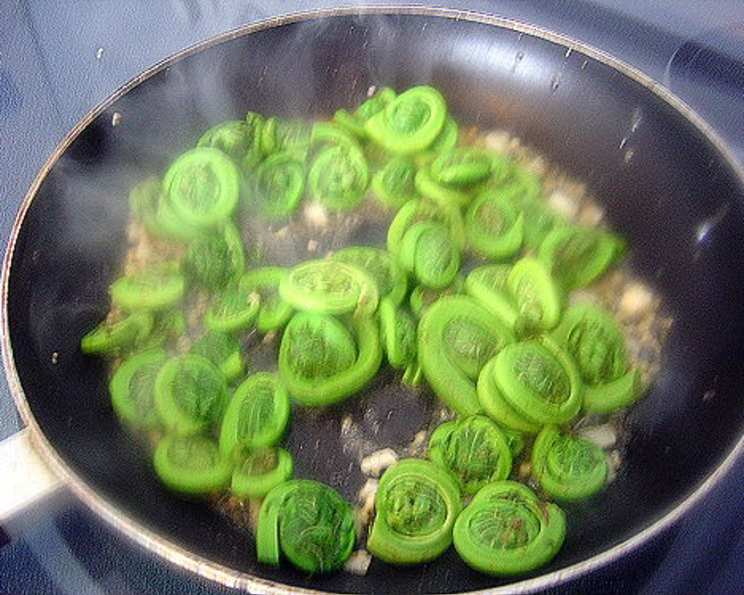
Fiddlehead Ferns With Escargot Butter: A Taste of Spring
The memory still makes my mouth water. I was a young apprentice, barely out of culinary school, and our chef, a gruff but brilliant man named Jean-Pierre, returned from a foraging trip with a basket brimming with tightly curled green coils. He announced we were having fiddleheads, cooked simply with escargot butter, and the kitchen buzzed with anticipation. The earthy aroma as they sautéed in the fragrant butter, the tender-crisp texture, and the richness of the herbs and garlic – it was a revelation. That simple dish cemented my love for seasonal cooking and the magic that can happen when nature’s bounty meets classic technique.
Recipe Overview
- Prep Time: 15 minutes
- Cook Time: 5 minutes
- Total Time: 20 minutes
- Servings: 4
- Dietary Type: Not Vegetarian
Ingredients
- 1 lb fiddlehead ferns
- Salt
- Escargot Butter
- 3 tablespoons unsalted butter, at room temperature
- 1 garlic clove, minced
- 1 tablespoon shallot, minced
- 3 tablespoons parsley, minced
- 3 drops fresh lemon juice
- Salt (to taste)
- Pepper (to taste)
- Cayenne pepper (to taste)
Equipment Needed
- Large pot
- Large frying pan
- Whisk
- Cutting board
- Knife
Instructions
-
Begin by washing the fiddleheads thoroughly. Gently remove any papery brown skins clinging to the curled heads and trim off the tough ends of the stems. Fiddleheads can harbor dirt, so meticulous cleaning is essential.
-
Next, prepare a large pot (about 4 quarts) of rapidly boiling, salted water. This initial blanching is crucial for removing any bitterness and ensuring the fiddleheads are safe to eat.
-
Cook the fresh fiddleheads in the boiling water for precisely 20 seconds. This quick blanching will retain their vibrant green color and desired crunchy texture. If you prefer a softer texture, you can extend the boiling time, but be mindful not to overcook them.
-
Immediately refresh the blanched fiddleheads under cold running water. This stops the cooking process and preserves their crispness. Once cooled, drain them thoroughly.
-
Now, focus on preparing the escargot butter. In a mixing bowl, cream the softened butter until light and fluffy.
-
Gradually whisk in the minced garlic, minced shallot, and minced parsley until well combined. The warmth of your hands will help the flavors meld together.
-
Add the lemon juice, salt, pepper, and cayenne pepper, adjusting the seasonings to your taste. Remember that the fiddleheads themselves have a delicate flavor, so the escargot butter should complement, not overpower, them.
-
At this point, the escargot butter can be prepared ahead of time. Store it in the refrigerator until ready to use.
-
Just before serving, melt the escargot butter in a large frying pan over high heat. Ensure the pan is hot enough to create a light sizzle when the butter melts.
-
Add the fiddleheads to the melted escargot butter, whether they are freshly blanched or canned (drained, if using canned).
-
Sauté the fiddleheads for 1 to 2 minutes, or until they are thoroughly heated through. Be careful not to overcrowd the pan; work in batches if necessary to ensure even cooking. The goal is to lightly coat the fiddleheads with the fragrant butter and warm them without making them soggy.
Expert Tips & Tricks
- Finding Fiddleheads: If you’re foraging for fiddleheads, be absolutely sure you can identify them correctly. Some varieties are toxic. When in doubt, purchase them from a reputable source.
- Taming Bitterness: While the quick blanching helps, some fiddleheads can still have a slight bitterness. A splash of vinegar in the boiling water can help mitigate this.
- Perfecting the Butter: For a richer escargot butter, consider adding a touch of Pernod or another anise-flavored liqueur.
- Batch Cooking: If you’re preparing a large quantity, sauté the fiddleheads in batches to maintain the pan’s high heat and prevent them from steaming.
- Texture Control: The 20-second blanching is for a crisp texture. Increase the blanching time for softer fiddleheads. Just remember to stop the cooking with an ice bath!
Serving & Storage Suggestions
Serve the fiddlehead ferns with escargot butter immediately while they are still hot and fragrant. They make an excellent side dish for grilled fish, roasted chicken, or seared scallops. You can also serve them as an appetizer alongside crusty bread for soaking up the delicious butter.
If you have any leftovers, store them in an airtight container in the refrigerator for up to 2 days. Reheat them gently in a skillet over low heat, adding a touch of butter or olive oil if needed. Note that reheating may affect the texture, making them slightly softer.
Due to their delicate nature, fiddleheads are not ideal for freezing. The texture can become mushy upon thawing.
Nutritional Information
| Nutrient | Amount per Serving | % Daily Value |
|---|---|---|
| Calories | 167.8 kcal | N/A |
| Calories from Fat | 86 kcal | N/A |
| Total Fat | 9.7 g | 14% |
| Saturated Fat | 5.6 g | 27% |
| Cholesterol | 22.9 mg | 7% |
| Sodium | 6.5 mg | 0% |
| Total Carbohydrate | 22.5 g | 7% |
| Dietary Fiber | 0.8 g | 3% |
| Sugars | 5.6 g | N/A |
| Protein | 6.2 g | 12% |
Note: Nutritional information is an estimate and may vary based on specific ingredients and preparation methods.
Variations & Substitutions
- Vegan Option: Substitute the butter with a high-quality vegan butter alternative. Ensure it melts and browns similarly to dairy butter.
- Garlic Variations: Experiment with roasted garlic for a sweeter, mellower flavor in the escargot butter.
- Herb Infusions: Add other fresh herbs like tarragon, chives, or thyme to the escargot butter for a different flavor profile.
- Spice It Up: Increase the amount of cayenne pepper for a spicier kick, or add a pinch of red pepper flakes.
- Lemon Zest: Add lemon zest to the escargot butter for a brighter, more citrusy flavor.
- Nutty Twist: Add toasted pine nuts or slivered almonds to the sautéed fiddleheads for added texture and flavor.
FAQs (Frequently Asked Questions)
Q: Are fiddleheads safe to eat?
A: Yes, fiddleheads are safe to eat when properly prepared. It’s crucial to clean them thoroughly, removing any papery skins, and to cook them adequately to eliminate any toxins.
Q: Can I use frozen fiddleheads?
A: Yes, you can use frozen fiddleheads. Thaw them completely before cooking and drain off any excess water. The texture might be slightly softer than fresh fiddleheads.
Q: How do I know when fiddleheads are cooked enough?
A: The cooking time depends on your preferred texture. For a crisp-tender texture, blanching for 20 seconds is sufficient. If you prefer a softer texture, cook them for a longer time until they reach your desired tenderness.
Q: Can I make the escargot butter ahead of time?
A: Absolutely! In fact, making the escargot butter ahead of time allows the flavors to meld together, resulting in a more flavorful dish. Store it in the refrigerator until ready to use.
Q: What wine pairs well with fiddleheads and escargot butter?
A: A crisp, dry white wine like Sauvignon Blanc or Pinot Grigio would complement the earthy flavors of the fiddleheads and the richness of the escargot butter beautifully.
Final Thoughts
I urge you to try this recipe and experience the unique flavor and texture of fiddlehead ferns for yourself. This simple dish is a celebration of spring and a reminder of the bounty that nature provides. Feel free to adjust the seasonings and herbs in the escargot butter to your liking, and don’t be afraid to experiment with different variations. Share your creations and feedback with me – I’d love to hear how you made this dish your own! Consider pairing these fiddleheads with a seared halibut and a chilled glass of Sancerre for a truly unforgettable spring meal.