
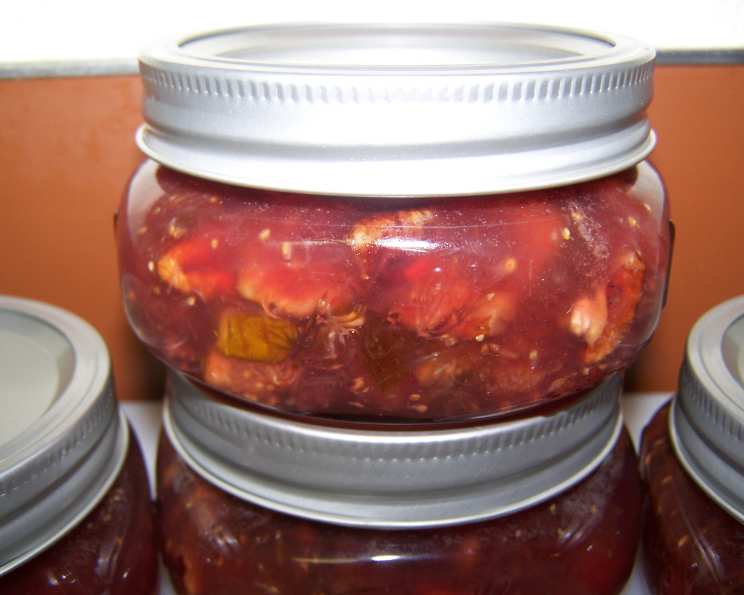
The Jewel-Toned Delight: Fig Conserve Recipe
My grandmother, Nonna Emilia, always had a jar of something shimmering on her kitchen counter. It could be preserved lemons, pickled peppers, or – most often – a deeply ruby fig conserve. The sticky-sweet aroma of simmering figs still transports me back to her sun-drenched kitchen in Tuscany, where the air was thick with the scent of ripening fruit and the promise of something delicious about to unfold. This recipe, adapted from a much-loved family heirloom, is my attempt to recreate that magic.
Recipe Overview
- Prep Time: 20 minutes
- Cook Time: Approximately 1 hour, depending on fig ripeness and desired consistency
- Total Time: Approximately 1 hour 20 minutes
- Yields: Approximately 4 cups
- Dietary Type: Vegetarian, Gluten-Free
Ingredients
- 2 lbs ripe figs, preferably Black Mission or Kadota
- 1 cup crushed pineapple, undrained
- 2 medium lemons, cut into small pieces, seeds removed
- 1/2 teaspoon salt
- 1 cup chopped pecans (or walnuts, optional)
- Granulated Sugar, equal to the volume of the combined figs, pineapple, and lemon pieces (measured after chopping)
Equipment Needed
- Large, heavy-bottomed pot or Dutch oven
- Measuring cups and spoons
- Sharp knife and cutting board
- Sterilized jars with lids and rings for canning, or airtight containers for refrigerator storage
- Ladle
- Jar lifter (if canning)
- Candy thermometer (optional, for ensuring proper setting)
Instructions
- Begin by carefully washing the figs. Remove the stems and cut the figs into pieces, roughly 1/2-inch to 1-inch in size. Don’t be too fussy – they’ll break down during cooking.
- In a large, heavy-bottomed pot, combine the chopped figs with the crushed pineapple (including the juice), and the chopped lemons. Ensure you’ve removed any seeds from the lemons, as these will add bitterness.
- Measure the combined volume of the fig, pineapple, and lemon mixture. This is crucial for determining the correct amount of sugar. Use a liquid measuring cup, pressing down gently on the mixture to get an accurate reading.
- Add an equal amount of granulated sugar to the pot, based on the measurement you just took. For example, if the fig mixture measured 6 cups, add 6 cups of sugar.
- Stir in the salt. This helps to balance the sweetness and enhance the other flavors.
- Place the pot over medium heat and bring the mixture slowly to a boiling point, stirring frequently to prevent sticking and scorching. The sugar will dissolve as the mixture heats.
- Once boiling, reduce the heat to low and simmer gently, uncovered, for approximately 45 minutes to 1 hour, or until the conserve has thickened. Stir occasionally at first, but more frequently as it thickens to prevent burning. The mixture should be a little runny but will thicken further as it cools.
- To test for doneness, place a small spoonful of the conserve on a chilled plate. Let it cool for a minute. If it wrinkles when you push it with your finger, it’s ready. Alternatively, use a candy thermometer; the setting point for jams and conserves is around 220°F (104°C).
- In the last 5 minutes of cooking, stir in the chopped pecans (if using).
- Remove the pot from the heat.
- If you plan to can the conserve for long-term storage, proceed with standard canning practices. Sterilize your jars and lids according to manufacturer instructions. Ladle the hot conserve into the hot, sterilized jars, leaving 1/4-inch headspace. Wipe the jar rims clean, place the lids on, and screw on the rings fingertip-tight. Process in a boiling water bath for 10 minutes (adjusting for altitude if necessary).
- If you prefer to store the conserve in the refrigerator, simply ladle it into clean, airtight containers. Let it cool completely before sealing and refrigerating.
Expert Tips & Tricks
- The type of fig you use will affect the color and flavor of the conserve. Black Mission figs will result in a darker, richer conserve, while Kadota figs will be lighter and milder. Experiment to find your favorite!
- Don’t overcook the conserve, or it will become too thick and sticky. It should still be slightly runny when hot, as it will continue to thicken as it cools.
- If you find the conserve is too sweet, add a squeeze of fresh lemon juice towards the end of cooking to balance the flavors.
- For a smoother conserve, you can use an immersion blender to partially blend the mixture after it has cooked for about 30 minutes. Be careful not to over-blend, as you want to retain some texture.
- If you don’t have pecans, walnuts or almonds make excellent substitutes. You can also toast the nuts before adding them to the conserve for a deeper, nuttier flavor.
- If you’re using very ripe figs, you may need to reduce the amount of sugar slightly. Taste the mixture as it cooks and adjust accordingly.
Serving & Storage Suggestions
This fig conserve is incredibly versatile. It’s delicious spread on toast, scones, or biscuits. Serve it alongside cheeses like goat cheese, brie, or ricotta. It also makes a wonderful accompaniment to roasted meats, especially pork or duck. Stir it into yogurt or oatmeal for a touch of sweetness.
Store canned fig conserve in a cool, dark place for up to 1 year. Once opened, refrigerate and use within 2-3 weeks. Refrigerated fig conserve will last for about 2-3 weeks. You can also freeze it for up to 3 months. Thaw overnight in the refrigerator before using.
Nutritional Information
Note: Nutritional information is an estimate and will vary based on specific ingredients and portion sizes.
| Nutrient | Amount per Serving (1/4 cup) | % Daily Value |
|---|---|---|
| Calories | 250 kcal | 13% |
| Total Fat | 8g | 10% |
| Saturated Fat | 1g | 5% |
| Cholesterol | 0mg | 0% |
| Sodium | 30mg | 1% |
| Total Carbohydrate | 45g | 16% |
| Dietary Fiber | 4g | 14% |
| Sugars | 38g | N/A |
| Protein | 2g | 4% |
Variations & Substitutions
- Spice it up: Add a pinch of ground cinnamon, cloves, or ginger to the conserve for a warm, spiced flavor.
- Citrus Zest: Incorporate the zest of an orange or grapefruit along with the lemon for a more complex citrus profile.
- Boozy Boost: Add a tablespoon or two of brandy, rum, or port wine towards the end of cooking for a richer, more sophisticated flavor.
- Dried Fruit Addition: For a chewier texture, add some chopped dried apricots or cranberries to the conserve along with the nuts.
- Balsamic Glaze: Drizzle a small amount of high-quality balsamic glaze on each serving to enhance the sweetness and add a tangy counterpoint.
- Spicy Kick: Incorporate a pinch of red pepper flakes or a finely diced jalapeño pepper (seeds removed) for a sweet and spicy conserve.
FAQs (Frequently Asked Questions)
Q: Do I need to sterilize the jars if I’m only storing the conserve in the refrigerator?
A: While not strictly necessary, sterilizing the jars even for refrigerator storage will help prolong the shelf life of the conserve.
Q: Can I use frozen figs for this recipe?
A: Yes, you can use frozen figs, but be sure to thaw them completely and drain any excess liquid before using them. This will help prevent the conserve from becoming too watery.
Q: How do I know if my jars are properly sealed after canning?
A: After the jars have cooled completely, press down on the center of each lid. If the lid doesn’t flex and remains concave, it is properly sealed. If it flexes, the jar didn’t seal and should be refrigerated and used immediately.
Q: My conserve is too thick. Can I fix it?
A: Yes, you can add a little water or lemon juice to the conserve and gently reheat it until it reaches the desired consistency.
Q: Can I make this conserve without nuts?
A: Absolutely! The nuts are optional and can be omitted without affecting the overall recipe. Simply skip the step of adding them.
Final Thoughts
I encourage you to try this recipe for fig conserve. It’s a simple pleasure that elevates everything it touches. Feel free to adjust the sweetness or add your own creative flair. Share your feedback and photos; I’d love to hear about your experience and any variations you come up with! Pair this conserve with a crisp glass of Pinot Grigio or a robust Cabernet Sauvignon for a truly memorable experience. Bon appétit!