
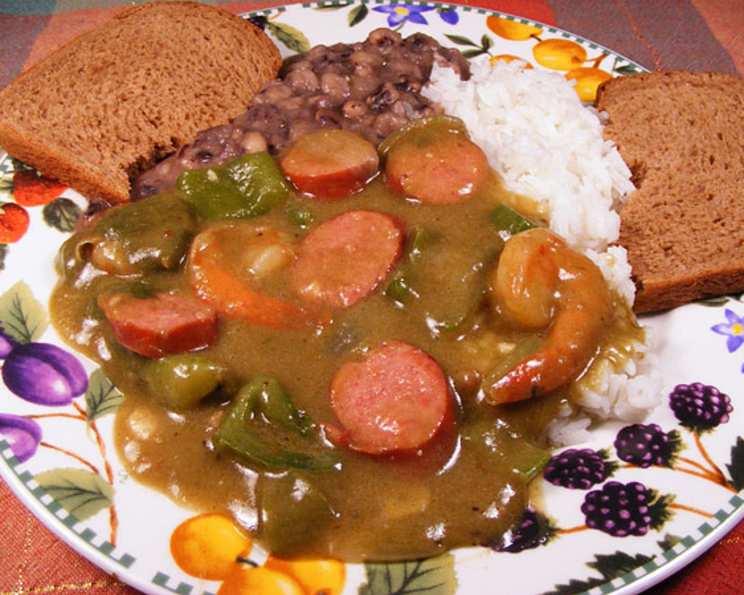
Filé Gumbo: A Taste of Louisiana Home Cooking
The scent of gumbo always takes me back to my grandmother’s kitchen in Louisiana. It wasn’t just a meal; it was a ritual. The simmering pot, a bubbling cauldron of savory aromas, represented family, warmth, and the heart of Cajun tradition. Every spoonful was a comforting embrace, a story whispered across generations. While many chefs might overcomplicate this dish, my family has always kept it simple, focusing on rich flavors and honest ingredients. This recipe is my way of sharing a bit of that Louisiana soul with you.
Recipe Overview
- Prep Time: 20 minutes
- Cook Time: 45 minutes
- Total Time: 1 hour 5 minutes
- Servings: 4-6
- Yield: Approximately 8 cups
- Dietary Type: Varies based on ingredients (can be made gluten-free and dairy-free)
Ingredients
- 1⁄4 cup vegetable oil
- 2 tablespoons vegetable oil
- 1⁄4 cup flour
- 1 medium onion, chopped
- 1 medium green bell pepper, chopped
- 2 stalks celery, chopped
- 2 cloves garlic, minced
- 2 cups cooked diced chicken
- 1 lb spicy smoked sausage, sliced
- 1 quart chicken broth
- 2-3 tablespoons Cajun seasoning, to taste (such as Tony Chachere’s)
- 1 dash hot pepper sauce
- 2-3 tablespoons gumbo filé (ground sassafras)
Equipment Needed
- Large stockpot
- Cutting board
- Knife
- Measuring cups and spoons
Instructions
- If the chicken isn’t already cooked, cook it first. Leftover cooked chicken is perfect for this recipe. Set it aside once cooked and diced.
- Place the sliced sausage in a large stockpot over medium-high heat. Cook the sausage until it’s lightly browned and some of its oil has been released into the pot. Remove the sausage from the pot and set aside with the cooked chicken.
- Add 2 tablespoons of vegetable oil to the same pot. Sauté the chopped onion, green bell pepper, and celery until they have softened. Add the minced garlic during the last few minutes of sautéing to prevent it from burning. Set the sautéed vegetables aside with the cooked chicken and sausage. Wipe the stockpot clean to remove any remaining vegetable pieces.
- Add 1/4 cup of vegetable oil to the cleaned stockpot. Heat the oil over medium heat until it starts to “shimmer.” This indicates it’s hot enough to add the flour.
- Add 1/4 cup of flour to the hot oil. This is the beginning of your roux. Cook, stirring constantly, until the flour and oil mixture turns a rich brown color. The color of the roux is a matter of personal preference. For sausage or ham gumbo, a chocolate-colored roux adds a deep, nutty flavor. For seafood or poultry gumbo, a caramel-colored roux might be more desirable. Be patient and stir constantly to prevent burning, which will ruin the flavor.
- Once your roux has reached your desired color, slowly add the chicken broth, stirring constantly to avoid lumps. At this point, you should have a mixture that resembles a thin gravy. Using cold broth can help to prevent lumps from forming.
- Add the cooked chicken, browned sausage, and sautéed vegetables back to the pot with the roux and broth.
- Add Cajun seasoning to taste. Start with 2 tablespoons and adjust to your preference. Remember that you can always add more seasoning later, but you can’t take it away.
- Simmer the gumbo for at least half an hour, or even longer if you prefer, keeping the heat low to prevent the roux from breaking (separating). This simmering time allows the flavors to meld together beautifully. If you’re using delicate shellfish like shrimp, add it towards the end of the simmering process to prevent it from becoming tough.
- When ready to serve, add a dash of hot pepper sauce and the gumbo filé. Stir well to incorporate the filé. Be careful not to add the filé too early, as it can become stringy and affect the texture of the gumbo.
- Ladle the gumbo over a bowl of cooked rice.
- Keep the filé, hot sauce, and Cajun seasoning on the table so that diners can add more to their liking. This gumbo is delicious served with a loaf of crusty French bread and a crisp salad.
Expert Tips & Tricks
- The Roux is Key: Mastering the roux is the most important part of gumbo. Low and slow is the name of the game. Don’t rush it, and don’t let it burn. Burnt roux means starting over.
- Flavor Building: Don’t be afraid to experiment with different types of sausage. Andouille sausage adds a smoky kick, while a milder smoked sausage offers a more subtle flavor.
- Deglaze for Extra Flavor: After browning the sausage, deglaze the pot with a little bit of the chicken broth before adding the vegetables. This will scrape up any browned bits (fond) from the bottom of the pot and add even more depth of flavor to the gumbo.
- Adjusting Consistency: If your gumbo is too thick, add more chicken broth to reach your desired consistency. If it’s too thin, simmer it for a bit longer to allow it to reduce.
- Filé Timing: Always add the filé powder at the very end of the cooking process, just before serving. Adding it too early can cause the gumbo to become stringy.
Serving & Storage Suggestions
Serve the gumbo hot over a bed of fluffy white rice. A side of crusty French bread is essential for soaking up all that delicious gravy. For a complete meal, consider serving it with a simple green salad or some cornbread.
Leftover gumbo can be stored in an airtight container in the refrigerator for up to 3-4 days. For longer storage, freeze the gumbo in freezer-safe containers for up to 2-3 months. When reheating, thaw the gumbo in the refrigerator overnight, then gently heat it on the stovetop over medium heat. You may need to add a little more chicken broth if it has thickened during storage.
Nutritional Information
| Nutrient | Amount per Serving | % Daily Value |
|---|---|---|
| Calories | 450 kcal | 23% |
| Total Fat | 30g | 46% |
| Saturated Fat | 10g | 50% |
| Cholesterol | 75mg | 25% |
| Sodium | 1500mg | 63% |
| Total Carbohydrate | 15g | 5% |
| Dietary Fiber | 2g | 8% |
| Sugars | 4g | – |
| Protein | 30g | 60% |
Note: Nutritional information is an estimate and may vary based on specific ingredients and portion sizes.
Variations & Substitutions
- Seafood Gumbo: Substitute the chicken and sausage with shrimp, crab, and oysters for a classic seafood gumbo.
- Okra Gumbo: If you enjoy okra, add about a cup of sliced okra to the pot along with the other vegetables.
- Vegetarian Gumbo: Omit the meat and use vegetable broth instead of chicken broth. Add extra vegetables like mushrooms, zucchini, and squash. Consider adding beans or lentils for protein.
- Spicier Gumbo: Add more Cajun seasoning or a pinch of cayenne pepper for extra heat.
- Gluten-Free Gumbo: Use a gluten-free flour blend for the roux. Make sure your Cajun seasoning is also gluten-free.
FAQs (Frequently Asked Questions)
Q: Can I make gumbo ahead of time?
A: Yes, gumbo is a great make-ahead dish! In fact, the flavors often improve after a day or two in the refrigerator. Just be sure to store it properly in an airtight container.
Q: What is filé powder, and why is it used in gumbo?
A: Filé powder is made from ground sassafras leaves and is used as both a thickener and a flavoring agent in gumbo. It has a unique, earthy flavor that is characteristic of many Louisiana gumbos.
Q: Can I use a different type of broth?
A: Absolutely! Chicken broth is a classic choice, but you can also use seafood broth, vegetable broth, or even turkey stock depending on the ingredients you’re using.
Q: How do I prevent my roux from burning?
A: The key to preventing a burnt roux is to use medium heat and stir constantly. Don’t walk away from the pot!
Q: My gumbo is too salty. What can I do?
A: If your gumbo is too salty, try adding a peeled potato to the pot and simmering it for about 30 minutes. The potato will absorb some of the salt. You can also add a little bit of sugar or lemon juice to balance the flavors.
Final Thoughts
I hope this recipe inspires you to create your own pot of comforting and flavorful filé gumbo. Don’t be afraid to experiment with different ingredients and seasonings to create a gumbo that is uniquely yours. Share your culinary creations with family and friends, and let the taste of Louisiana bring joy to your table. Bon appétit, y’all!