
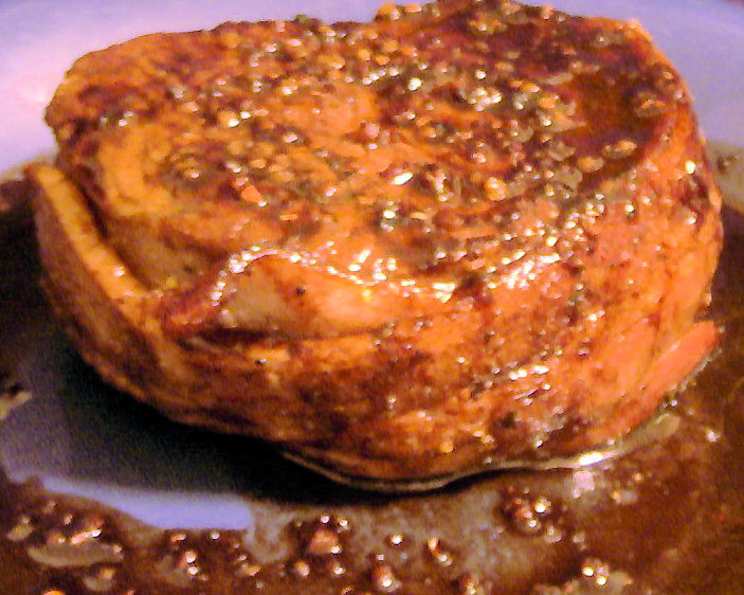
Filet Mignon With a Red Wine Reduction: A Taste of Elegance
I still remember the first time I truly appreciated a perfectly cooked filet mignon. It was at a small bistro in Paris, tucked away on a cobblestone street. The aroma of rich red wine and seared beef filled the air, and when that first bite melted in my mouth, I knew I had experienced something special. Recreating that experience at home, with this simple yet elegant recipe, brings back those memories every time. The velvety texture of the steak, paired with the sweet and savory red wine reduction, is a symphony of flavors that elevates any meal into a special occasion.
Recipe Overview
- Prep Time: 10 minutes
- Cook Time: 25 minutes
- Total Time: 35 minutes
- Servings: 2
- Yields: 2 steaks
- Dietary Type: Gluten-Free (naturally)
Ingredients
- 20 ounces tenderloins filet mignon
- 2 tablespoons balsamic vinegar
- 1 tablespoon sugar
- 2 tablespoons extra virgin olive oil
- 1 teaspoon sea salt
- 1 teaspoon fresh ground pepper
- 2 cups red wine (Cabernet Sauvignon or Merlot recommended)
Equipment Needed
- Large bowl, pan, plate, or platter
- Saucepan
- Heavy pan (cast iron or stainless steel)
- Oven
Instructions
-
Begin by preparing the filet mignon steaks. Use a sharp knife to carefully cut off any excess fat from the steaks. This step ensures a cleaner, more tender bite.
-
Place the steaks in a large bowl, pan, plate, or platter. This will allow you to easily marinate them.
-
Drizzle 1 tablespoon of balsamic vinegar on each steak. The balsamic vinegar adds a touch of acidity and sweetness that complements the rich flavor of the beef.
-
Flip the steaks over and drizzle the other tablespoon of balsamic vinegar. Ensure both sides are evenly coated.
-
Sprinkle the salt, pepper, and sugar on both sides of the steaks. The sugar helps with caramelization during searing, creating a beautiful crust. Distribute the seasonings evenly for consistent flavor.
-
Let the steaks sit for 10 minutes at room temperature. This allows the steaks to relax and the flavors to meld, resulting in a more tender and flavorful final product. Don’t skip this step!
-
While the steaks are resting, prepare the red wine reduction. Pour the red wine into a saucepan over high heat. The type of red wine you use will significantly impact the flavor of the reduction, so choose a good quality wine that you enjoy drinking. Cabernet Sauvignon or Merlot works well.
-
Wait until the wine becomes thick and syrupy. This process typically takes 15-20 minutes. Keep a close eye on the wine, stirring occasionally, to prevent it from burning. The goal is to reduce the wine by about half, concentrating its flavors.
-
Turn off the heat once the red wine reduction reaches the desired consistency. It should coat the back of a spoon.
-
Preheat the oven to 350°F (175°C). This moderate temperature allows the steaks to cook evenly without burning.
-
Also preheat a heavy pan over medium heat on the stove. A cast-iron skillet is ideal for searing steaks because it retains heat well. Make sure the pan is smoking hot before adding the steaks.
-
Drizzle 2 tablespoons of extra virgin olive oil over the steaks. The olive oil helps to create a beautiful sear.
-
Sear the steaks for 1 or 2 minutes on each side in the hot pan. This creates a flavorful crust and locks in the juices. Avoid overcrowding the pan, as this will lower the temperature and prevent proper searing.
-
Pour the red wine reduction over the steaks while cooking. Use a spoon to drizzle the sauce in moderation to avoid adding too much liquid to the pan. The reduction will caramelize and create a delicious glaze on the steaks.
-
Place the pan with the steaks into the preheated oven.
-
Let them cook for 8-10 minutes. This will result in a medium-rare to medium steak, depending on the thickness of the steak and the power of the oven.
-
Check the internal temperature of the steaks with a meat thermometer for optimal doneness. For medium-rare, aim for 130-135°F (54-57°C); for medium, aim for 135-145°F (57-63°C).
-
Remove the pan from the oven and let the steaks sit in the pan for 5 minutes to allow the juices to redistribute. This is a crucial step for ensuring a juicy and tender steak. Tent the pan loosely with foil to keep the steaks warm.
-
Serve the steaks on a plate.
-
Take a spoon and drizzle the juice from the pan over your steaks. Make sure to get a lot of juice on there! This adds extra flavor and moisture.
-
Enjoy!
Expert Tips & Tricks
- Don’t overcook the steaks. Filet mignon is best served medium-rare to medium. Use a meat thermometer to ensure accurate doneness.
- If you don’t have a heavy pan, you can use a regular skillet, but be sure to preheat it thoroughly.
- For a richer flavor, add a pat of butter to the pan during the last minute of searing.
- If the red wine reduction becomes too thick, add a tablespoon of beef broth to thin it out.
- Experiment with different types of red wine to find your favorite flavor profile.
Serving & Storage Suggestions
Serve the filet mignon immediately after cooking for the best flavor and texture. Garnish with fresh herbs, such as rosemary or thyme, for a touch of elegance. Excellent side dishes include mashed potatoes, roasted vegetables, asparagus, or a simple salad.
Leftover filet mignon can be stored in an airtight container in the refrigerator for up to 3 days. To reheat, gently warm the steak in a skillet over low heat or in a microwave at 50% power, being careful not to overcook it. The red wine reduction can also be stored separately and reheated.
Nutritional Information
| Nutrient | Amount per Serving | % Daily Value |
|---|---|---|
| Calories | 561.55 kcal | N/A |
| Calories from Fat | 339 kcal | N/A |
| Total Fat | 37.7 g | 58% |
| Saturated Fat | 13.65 g | 68% |
| Cholesterol | 99.2 mg | 33% |
| Sodium | 655.9 mg | 27% |
| Total Carbohydrate | 6.55 g | 2% |
| Dietary Fiber | 0.15 g | 0.5% |
| Sugars | 3.9 g | N/A |
| Protein | 25.85 g | 52% |
Note: Nutritional information is an estimate and may vary based on specific ingredients and cooking methods.
Variations & Substitutions
- For a spicier kick, add a pinch of red pepper flakes to the red wine reduction.
- Use a different type of vinegar, such as sherry vinegar, for a slightly different flavor profile.
- Add other herbs and spices to the steaks, such as garlic powder, onion powder, or paprika.
- If you don’t have red wine, you can use beef broth as a substitute, but the flavor will be different.
- Try grilling the filet mignon instead of searing it in a pan for a smoky flavor.
FAQs (Frequently Asked Questions)
Q: Can I make the red wine reduction ahead of time?
A: Yes, you can make the red wine reduction a day or two in advance and store it in the refrigerator. Reheat it gently before serving.
Q: How do I know when the steaks are done?
A: The best way to check for doneness is to use a meat thermometer. Insert the thermometer into the thickest part of the steak, avoiding any bone.
Q: Can I use frozen filet mignon for this recipe?
A: Yes, but be sure to thaw the steaks completely before cooking. Thaw them in the refrigerator overnight for best results.
Q: What if I don’t have balsamic vinegar?
A: You can substitute it with red wine vinegar or a squeeze of lemon juice.
Q: Can I use a different cut of steak for this recipe?
A: While filet mignon is the most tender cut, you can use other cuts such as ribeye or New York strip, but adjust the cooking time accordingly.
Final Thoughts
This Filet Mignon with Red Wine Reduction recipe is a guaranteed showstopper. It’s surprisingly simple to make, yet delivers an elegant and unforgettable dining experience. Don’t be intimidated by the fancy name – with a little practice, you’ll be impressing your friends and family in no time. I encourage you to try this recipe and make it your own. Experiment with different wines, herbs, and spices to create a flavor profile that you love. And most importantly, enjoy the process and savor every bite! Consider pairing it with a bold Cabernet Sauvignon for the ultimate indulgence. Bon appétit!