
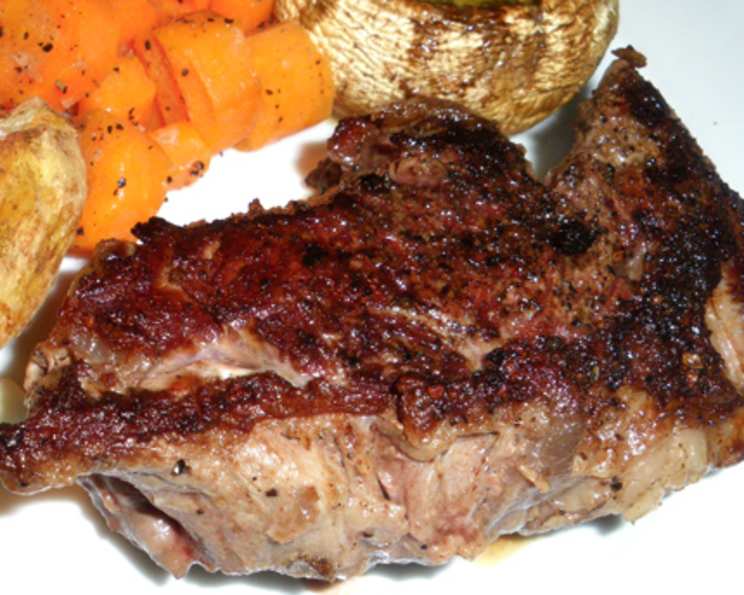
Filet of Beef Au Poivre: A Classic Revisited
The first time I tasted Filet of Beef Au Poivre, I was a wide-eyed culinary student in Paris. It was at a tiny bistro, the kind with checkered tablecloths and the murmur of French conversations filling the air. The steak, perfectly seared and encrusted with peppercorns, arrived swimming in a rich, cognac-infused sauce. The aroma alone was intoxicating. That single bite sparked a lifelong love affair with French cuisine and taught me the transformative power of simple, quality ingredients.
Recipe Overview
- Prep Time: 15 minutes
- Cook Time: 6-10 minutes
- Total Time: 21-25 minutes
- Servings: 6
- Dietary Type: Not Gluten-Free
Ingredients
- 6 filet mignon, cut 1 1/4-inch thick
- Kosher salt
- 2 tablespoons coarsely fresh ground black pepper
- 3 1/2 tablespoons unsalted butter, divided (or 3 1/2 tablespoons unsalted margarine, divided)
- 1 1/2 tablespoons olive oil
- 3/4 cup shallots (3 to 4 shallots), finely minced
- 1 cup canned beef broth
- 1/2 cup good cognac (or 1/2 cup brandy)
- Chopped parsley, for garnish (optional)
Equipment Needed
- Large saute pan
- Paper towels
- Serving platter
- Aluminum foil
Instructions
-
Begin by preparing the filet mignons. Place them on a cutting board and thoroughly pat them dry with paper towels. This is crucial for achieving a good sear.
-
Generously sprinkle the filets with kosher salt on both sides.
-
Next, evenly press the coarsely ground black pepper onto both sides of each filet. Make sure the pepper adheres well; this is what gives the dish its signature flavor.
-
Allow the peppered filets to rest at room temperature for 15 minutes. This allows the salt to penetrate the meat and the pepper to meld with the surface.
-
In a large saute pan, heat 1 1/2 tablespoons of the butter (or margarine) and the olive oil over medium-high heat. The pan should be hot enough that the mixture almost smokes, indicating it’s ready for searing.
-
Carefully place the steaks in the hot pan. Immediately lower the heat to medium to prevent the pepper from burning.
-
Saute the steaks for 4 minutes on one side, then flip and cook for 3 minutes on the other side, for medium-rare. Adjust cooking time based on your desired doneness. For medium, cook an additional 1-2 minutes per side.
-
Remove the steaks from the pan and transfer them to a serving platter. Cover them tightly with aluminum foil to keep them warm while you prepare the sauce.
-
Carefully pour off all but 1 tablespoon of the fat from the saute pan. Be cautious, as the fat will be very hot.
-
Add the finely minced shallots to the pan and cook over medium heat for 2 minutes, stirring occasionally, until softened but not browned.
-
Pour in the beef broth and increase the heat to high. Cook for 4-6 minutes, or until the broth has reduced by about half. Be sure to scrape up any browned bits from the bottom of the pan; these are packed with flavor.
-
Remove the pan from the heat and carefully add the Cognac (or brandy). The alcohol may ignite, so be prepared to carefully extinguish it if needed. Cook for 2 more minutes, allowing the alcohol to burn off and the flavors to meld.
-
Off the heat, swirl in the remaining 2 tablespoons of butter (or margarine) and 1/2 teaspoon of salt. Swirling ensures a smooth, emulsified sauce.
-
Serve the steaks hot, drizzled generously with the prepared sauce. Garnish with chopped parsley if desired, for a pop of color and freshness.
Expert Tips & Tricks
- Achieving the Perfect Sear: A hot pan is essential for a good sear. Make sure your pan is properly preheated before adding the steaks. Patting the steaks dry removes excess moisture and helps them brown more effectively.
- Pepper Power: Use freshly cracked black peppercorns for the most intense flavor. Pre-ground pepper lacks the same punch.
- Doneness Check: Use a meat thermometer to ensure your steaks are cooked to your liking. For medium-rare, aim for an internal temperature of 130-135°F (54-57°C).
- Deglazing Magic: Don’t skip the step of scraping up the browned bits from the pan. These fond add depth and richness to the sauce.
- Cognac Alternative: If you don’t have Cognac or brandy on hand, a dry sherry or even a splash of red wine can work in a pinch.
Serving & Storage Suggestions
Serve Filet of Beef Au Poivre immediately for the best flavor and texture. The sauce is at its peak when freshly made. This dish pairs beautifully with classic sides such as roasted asparagus, mashed potatoes, or a simple green salad. A crusty baguette is also perfect for soaking up the delicious sauce.
Leftovers can be stored in an airtight container in the refrigerator for up to 3 days. To reheat, gently warm the steak and sauce in a skillet over low heat, or in a microwave. Be careful not to overcook the steak, as it can become dry. Freezing is not recommended, as it can affect the texture of the steak and sauce.
Nutritional Information
| Nutrient | Amount per Serving | % Daily Value |
|---|---|---|
| Calories | 380 kcal | 19% |
| Total Fat | 25g | 38% |
| Saturated Fat | 12g | 60% |
| Cholesterol | 100mg | 33% |
| Sodium | 350mg | 15% |
| Total Carbohydrate | 5g | 2% |
| Dietary Fiber | 1g | 4% |
| Sugars | 1g | 2% |
| Protein | 30g | 60% |
Note: Nutritional information is an estimate and may vary based on specific ingredients and preparation methods.
Variations & Substitutions
- Spice It Up: For a spicier version, add a pinch of red pepper flakes to the sauce.
- Creamy Au Poivre: For a richer sauce, stir in a tablespoon or two of heavy cream at the end.
- Mushroom Magic: Add sliced mushrooms to the pan along with the shallots for an earthy twist.
- Garlic Infusion: Add a clove or two of minced garlic to the shallots for extra flavor.
- Dietary Adaptations: While this recipe is not naturally gluten-free due to the beef broth, many brands offer gluten-free beef broth options.
FAQs (Frequently Asked Questions)
Q: Can I use a different cut of beef?
A: While filet mignon is the classic choice for Au Poivre, you can use other tender cuts like sirloin or ribeye. Just be sure to adjust the cooking time accordingly.
Q: How do I prevent the pepper from burning?
A: Lowering the heat after searing the steaks and using coarsely ground pepper helps prevent burning. Constant monitoring is essential.
Q: Can I make the sauce ahead of time?
A: The sauce is best when made fresh, but you can prepare it up to a few hours in advance. Reheat gently before serving.
Q: What’s the best way to tell if my steak is cooked to my liking?
A: Use a meat thermometer for the most accurate results. Insert the thermometer into the thickest part of the steak, avoiding any bone.
Q: Can I use dry mustard in the sauce?
A: While not traditional, a small pinch of dry mustard can add a pleasant tang to the sauce. Add it when you add the beef broth.
Final Thoughts
Filet of Beef Au Poivre is a dish that’s both elegant and comforting, perfect for a special occasion or a cozy night in. Don’t be intimidated by the fancy name – it’s surprisingly simple to make with just a few quality ingredients. I encourage you to try this recipe and experience the magic for yourself. And most importantly, share your creations with friends and family! Bon appétit!