
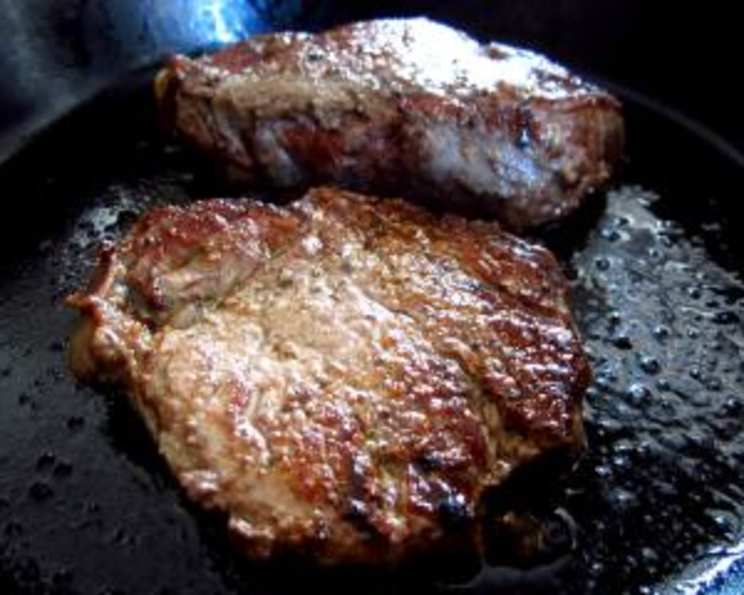
Filets, How to Do Filets (Or Other Steaks) in the Oven
I remember the first time I attempted to cook filets for a special occasion. It was my anniversary, and I envisioned a romantic dinner with perfectly seared, juicy steaks. I painstakingly followed a complicated recipe, but the result was disastrous – unevenly cooked, tough, and frankly, inedible. Discouraged but not defeated, I embarked on a quest to find a foolproof method for cooking restaurant-quality steaks at home, eventually discovering this simple yet effective technique that I’m excited to share with you. This method has become my go-to for consistently delicious filets, or any steak cut, cooked to perfection every time.
Recipe Overview
- Prep Time: 5 minutes
- Cook Time: 7-9 minutes
- Total Time: 12-14 minutes
- Servings: 2
- Yield: 2 steaks
- Dietary Type: Varies (depending on seasonings used)
Ingredients
- 2 steaks (filet mignon, ribeye, New York strip, etc.)
- 1 tablespoon oil (canola, vegetable, or other high-heat oil)
- Salt and pepper to taste
- Other seasoning, to your taste (garlic powder, onion powder, herbs, etc.)
Equipment Needed
- Medium skillet (cast iron preferred)
- Oven
- Tongs
- Meat thermometer (optional, but recommended)
Instructions
-
Preheat your oven to 400 degrees Fahrenheit (200 degrees Celsius). This is crucial for ensuring even cooking.
-
In a medium skillet, preferably cast iron, heat the oil over medium-high heat until it is very hot. The oil should shimmer and almost smoke. Using cast iron will give you a great sear due to its even heat distribution and retention.
-
While the oil is heating, season the filets generously with salt and pepper on both sides. Don’t be shy with the seasoning! You can also add other seasonings to your liking, such as garlic powder, onion powder, or your favorite herb blend.
-
Once the oil is hot, carefully place the seasoned filets in the skillet. Sauté the filets briefly on each side in the hot oil, about 1 minute per side. The goal here is to achieve a nice, brown sear on the outside of the steaks. This step contributes significantly to the flavor and texture.
-
Immediately transfer the skillet with the seared filets directly into the preheated oven. Roast for about 5-7 minutes for medium-rare. If you prefer your steaks more well-done, roast for a longer period.
-
Use a meat thermometer to check the internal temperature of the steaks. For medium-rare, aim for an internal temperature of 130-135 degrees Fahrenheit. For medium, aim for 135-145 degrees Fahrenheit. For medium-well, aim for 145-155 degrees Fahrenheit. For well-done, aim for 155-165 degrees Fahrenheit. Insert the thermometer into the thickest part of the steak, avoiding bone.
-
Once the steaks have reached your desired level of doneness, remove the skillet from the oven. Let the steaks rest for at least 5 minutes before slicing and serving. This allows the juices to redistribute throughout the meat, resulting in a more tender and flavorful steak. Tenting the steaks loosely with foil will help keep them warm during the resting period.
Expert Tips & Tricks
- Use a cast iron skillet: As mentioned before, cast iron skillets are ideal for this method because they retain heat exceptionally well, leading to a better sear and more even cooking.
- Pat the steaks dry: Before seasoning, pat the steaks dry with paper towels. This will help them develop a better sear.
- Don’t overcrowd the pan: If you’re cooking more than two steaks, it’s best to do it in batches to avoid overcrowding the pan, which can lower the temperature of the oil and prevent a good sear.
- Use high-quality steaks: The quality of your steaks will greatly impact the final result. Look for well-marbled steaks from a reputable butcher or grocery store.
- Add aromatics: For extra flavor, add aromatics such as garlic cloves, sprigs of rosemary, or thyme to the skillet while searing the steaks.
- Basting: While the steaks are in the oven, you can baste them with melted butter or pan juices for added flavor and moisture.
- Adjust cooking time: Cooking times may vary depending on the thickness of your steaks and the accuracy of your oven. Use a meat thermometer to ensure accurate doneness.
- Reverse Sear: For even more control, consider reverse searing. Cook the steaks at a low temperature (275F) until they are about 10 degrees below your desired doneness. Then sear them in the hot skillet for about 1 minute per side.
Serving & Storage Suggestions
Serve your perfectly cooked filets immediately with your favorite sides, such as mashed potatoes, roasted vegetables, or a fresh salad. For a classic steakhouse experience, top the steaks with a pat of compound butter or a flavorful sauce.
Leftover cooked steak can be stored in an airtight container in the refrigerator for up to 3-4 days. To reheat, gently warm the steak in a skillet over low heat or in a preheated oven at 300 degrees Fahrenheit. Avoid microwaving, as this can make the steak tough. You can also slice the cold steak and use it in salads, sandwiches, or stir-fries. Cooked steak can also be frozen for longer storage (up to 2-3 months). Thaw in the refrigerator overnight before reheating.
Nutritional Information
Nutritional information is an estimate and may vary based on specific ingredients and portion sizes.
| Nutrient | Amount per Serving | % Daily Value |
|---|---|---|
| Calories | 400 kcal | 20% |
| Total Fat | 25g | 38% |
| Saturated Fat | 10g | 50% |
| Cholesterol | 120mg | 40% |
| Sodium | 100mg | 4% |
| Total Carbohydrate | 0g | 0% |
| Dietary Fiber | 0g | 0% |
| Sugars | 0g | 0% |
| Protein | 40g | 80% |
Variations & Substitutions
- Different cuts of steak: This method works well with various cuts of steak, including ribeye, New York strip, sirloin, and even flank steak. Adjust cooking times accordingly based on the thickness of the steak.
- Seasoning variations: Experiment with different seasoning blends to customize the flavor of your steaks. Try using a combination of smoked paprika, garlic powder, onion powder, and cayenne pepper for a spicy kick.
- Herb crust: Before searing the steaks, press them into a mixture of finely chopped herbs, such as rosemary, thyme, and parsley, for an herbaceous crust.
- Sauce options: Serve your steaks with a variety of sauces, such as béarnaise sauce, peppercorn sauce, or a simple red wine reduction.
- Marinades: For even more flavor, marinate the steaks for several hours or overnight before cooking.
FAQs (Frequently Asked Questions)
Q: Can I use a different type of oil besides canola oil?
A: Yes, you can use other high-heat oils such as vegetable oil, avocado oil, or grapeseed oil.
Q: How do I know when the steak is done without a meat thermometer?
A: You can use the finger test to gauge the doneness of the steak. Press the center of the steak with your finger. If it feels very soft, it’s rare. If it feels slightly firmer, it’s medium-rare. If it feels firm, it’s medium. And if it feels very firm, it’s well-done. However, a meat thermometer is always the most accurate way to determine doneness.
Q: Can I cook frozen steaks using this method?
A: It’s not recommended to cook frozen steaks using this method. For best results, thaw the steaks completely in the refrigerator before cooking.
Q: What if I don’t have a cast iron skillet?
A: While cast iron is preferred, you can use any oven-safe skillet. Just make sure the skillet is heavy-bottomed and can withstand high heat.
Q: Can I add a sauce to the skillet while the steaks are cooking in the oven?
A: Yes, you can add a sauce to the skillet during the last few minutes of cooking. This will allow the sauce to heat through and infuse the steaks with flavor.
Final Thoughts
Now that you have this simple yet effective method in your arsenal, you can confidently cook restaurant-quality filets (or any steak) at home! Don’t be afraid to experiment with different seasonings, sauces, and sides to create your perfect steak dinner. Share your creations with friends and family, and let them marvel at your newfound culinary skills. And most importantly, enjoy the process of cooking and savoring a delicious, perfectly cooked steak. Bon appétit!