
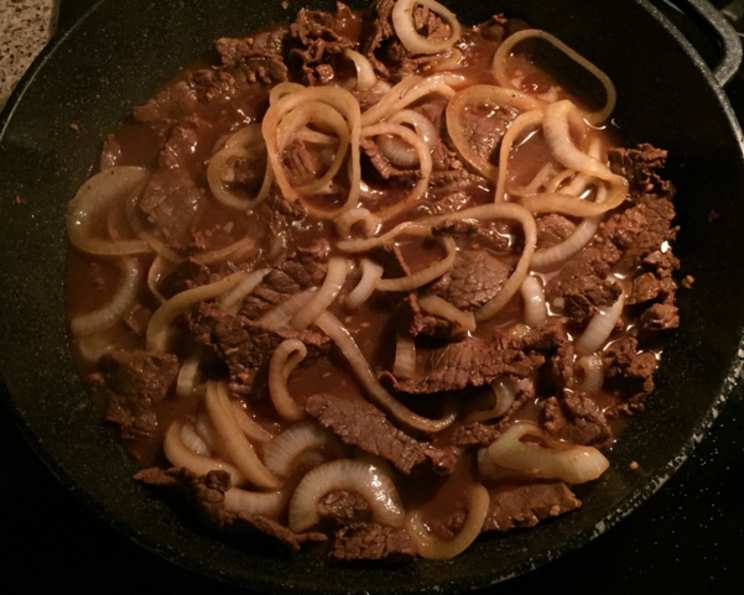
Filipino Beef Steak (Bistek): A Taste of Home
The sizzle of beef hitting the hot pan, the sharp tang of citrus mixing with savory soy sauce – the aroma alone transports me back to my Lola’s (grandmother’s) kitchen. She always seemed to have a pot of rice steaming on the stove, ready to soak up every last drop of the delicious, glistening bistek sauce. It wasn’t just a meal; it was a symbol of family, comfort, and the vibrant flavors of my heritage. This recipe is my attempt to recapture that magic, and to share it with you.
Recipe Overview
- Prep Time: 35 minutes
- Cook Time: 30 minutes
- Total Time: 1 hour 5 minutes
- Servings: 6-8
- Yield: 6-8 servings
- Dietary Type: Omnivore
Ingredients
- 1 lb beef sirloin or beef tenderloin, sliced 1/4-inch thick
- 8 tablespoons kalamansi juice (native lemon) or Meyer lemon juice
- ½ cup dark soy sauce (regular Kikkoman’s)
- Freshly-ground pepper, to taste
- 2 teaspoons garlic, minced
- 2 large onions, cut into rings
- 2 tablespoons cooking oil
- Water, as needed
Equipment Needed
- Cutting board
- Knife
- Non-reactive bowl (glass or ceramic)
- Meat tenderizer (optional)
- Non-reactive skillet or frying pan
- Serving platter
Instructions
-
In a non-reactive bowl (avoid metal, which can react with the citrus), combine the kalamansi juice, soy sauce, and minced garlic. This is your marinade. Taste the mixture: if it’s too sour, add a little more soy sauce; if it’s too salty, add a splash more kalamansi juice. The goal is to achieve a balanced, tangy, and savory flavor profile. Remember, you can always adjust the seasoning later during the cooking process.
-
Prepare the beef. If you haven’t already, slice the beef sirloin or tenderloin into strips about 1/4-inch thick. To make slicing easier, especially with tougher cuts, wrap the meat tightly in plastic wrap and place it in the freezer for 15-20 minutes to firm up. This makes slicing thinly much easier.
-
Tenderize the beef. This step is optional, but highly recommended, especially if using a less tender cut like sirloin. Place the sliced beef between two sheets of plastic wrap or in a resealable bag and pound it gently with a meat tenderizer to break down the fibers. Be careful not to pound it too thin, as you still want some texture in the final dish.
-
Season the beef generously with freshly-ground pepper. Add the seasoned beef to the soy sauce mixture and stir to ensure all the pieces are evenly coated in the marinade. Let the beef marinate for at least 30 minutes, or even longer (up to a few hours) in the refrigerator for maximum flavor penetration.
-
Cook the onions. Heat one tablespoon of cooking oil in a (non-reactive) skillet over medium-high heat. Add the onion rings and stir-fry them until they are translucent and have a slightly browned edge, but still retain a bit of a crunch. You don’t want them to be completely soft and mushy. Remove the onions from the skillet and set them aside.
-
Sear the beef. In the same skillet, heat the remaining one tablespoon of cooking oil over medium-high heat. Pan-fry the beef in batches, being careful not to overcrowd the pan. Overcrowding will lower the temperature of the pan and cause the beef to steam instead of sear, resulting in a less flavorful dish. Remove each batch of beef after it has browned on both sides and set it aside.
-
Simmer the sauce. Once all the beef has been browned, pour the remaining marinade into the skillet and bring it to a slow boil. Simmer for a few minutes, allowing the sauce to reduce slightly and thicken. Taste the sauce and adjust the seasoning as needed. If it’s too salty, add a little water. If it needs more tang, add a touch more kalamansi juice. If it needs more savory depth, add a dash more soy sauce. Remember to always let it cook for a minute or two after adding soy sauce to allow the flavor to meld.
-
Combine and Serve. Return the browned beef to the skillet and toss to coat it in the simmering sauce. Cook for a couple of minutes, or until the beef is cooked through to your liking. Slide the beef slices onto a serving plate and arrange the sautéed onion rings on top. Pour any remaining cooking liquid (the delicious sauce) over the beef and onions. This sauce is fantastic over rice!
Expert Tips & Tricks
- Don’t Overcrowd the Pan: When searing the beef, work in batches. Overcrowding lowers the pan’s temperature and prevents proper browning.
- Marinade Matters: Marinating the beef for at least 30 minutes, or even longer, infuses it with flavor and helps tenderize it.
- Adjust the Sauce to Your Taste: The beauty of bistek is its adaptability. Don’t be afraid to adjust the sauce with more soy sauce, kalamansi juice, or water to suit your personal preference.
- Slice Against the Grain: This helps to shorten the muscle fibers, making the beef more tender.
- Use a Cast Iron Skillet: This is my preferred cooking method, as it gets very hot. Be sure that your fan is on and that you can manage the smoke.
Serving & Storage Suggestions
Serve Filipino Beef Steak hot, immediately after cooking. It’s traditionally served with a generous portion of steamed white rice to soak up the savory sauce. Garnish with extra onion rings and a sprinkle of freshly ground pepper.
Leftovers can be stored in an airtight container in the refrigerator for up to 3-4 days. You can also freeze bistek for up to 2-3 months. When reheating, add a splash of water or beef broth to prevent the beef from drying out. The leftovers freeze remarkably well.
Nutritional Information
Please note that these values are estimates and may vary based on specific ingredients and serving sizes.
| Nutrient | Amount per Serving | % Daily Value |
|---|---|---|
| Calories | 320 kcal | 16% |
| Total Fat | 18g | 28% |
| Saturated Fat | 7g | 35% |
| Cholesterol | 90mg | 30% |
| Sodium | 1200mg | 50% |
| Total Carbohydrate | 8g | 3% |
| Dietary Fiber | 1g | 4% |
| Sugars | 4g | |
| Protein | 30g | 60% |
Variations & Substitutions
- Chicken or Pork Bistek: Substitute the beef with chicken thighs or pork shoulder for a different protein option. Adjust cooking times accordingly.
- Vegetarian/Vegan Bistek: Use thick slices of portobello mushrooms or firm tofu, pressed to remove excess water, as a plant-based alternative.
- Spicy Bistek: Add a pinch of chili flakes or a finely chopped Serrano pepper to the marinade for a spicy kick.
- Sweet Bistek: Add a tablespoon of brown sugar to the marinade for a sweet and savory flavor.
FAQs (Frequently Asked Questions)
Q: What is calamansi juice, and can I substitute it?
A: Calamansi is a small, citrus fruit native to the Philippines with a unique sweet and sour flavor. If you can’t find it, Meyer lemons are a good substitute.
Q: How do I prevent the beef from becoming tough?
A: Marinating the beef and tenderizing it (pounding it) helps to break down the muscle fibers. Also, avoid overcooking the beef.
Q: Can I make this dish ahead of time?
A: Yes, you can marinate the beef ahead of time (even overnight) for a more intense flavor. You can also cook the beef and onions ahead of time and reheat them when ready to serve.
Q: What should I serve with Filipino Beef Steak?
A: Bistek is traditionally served with steamed white rice. It also pairs well with a side of steamed vegetables, such as bok choy or green beans.
Q: Can I use regular lemons instead of Meyer lemons or calamansi?
A: Regular lemons will work in a pinch, but they are more acidic. You may need to add a touch of sugar to balance the flavors.
Final Thoughts
I hope this recipe brings a taste of my Lola’s kitchen to your home. Don’t be afraid to experiment and adjust the flavors to your liking. This dish is more than just a recipe; it’s a connection to culture, family, and the simple joy of sharing a delicious meal. So, gather your ingredients, put on some music, and get cooking! I’d love to hear your feedback and any variations you try. Mabuhay! (Long live!) and happy cooking! Consider pairing it with a refreshing glass of calamansi juice.