
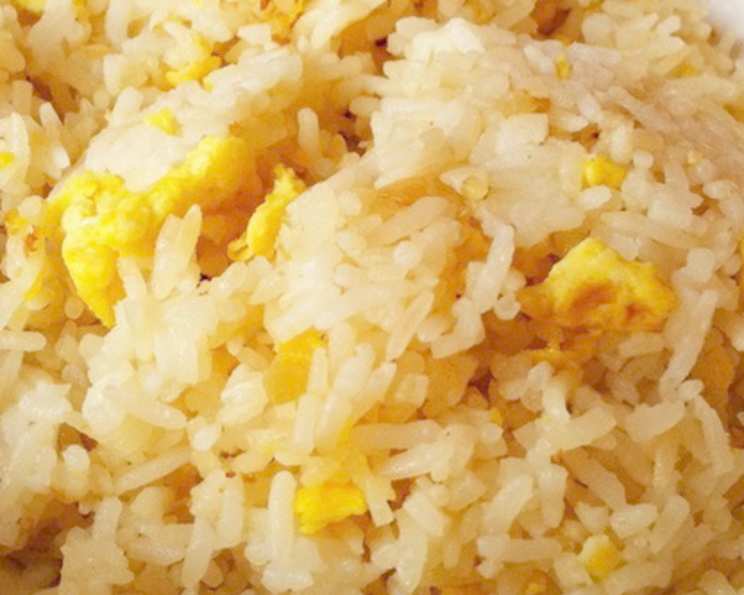
The Soul of a Filipino Breakfast: Sinangag (Garlic Fried Rice)
The scent of garlic sizzling in butter is a time machine for me. It instantly transports me back to my Lola’s (grandmother’s) kitchen in Manila. The early morning sun streamed through the window as she meticulously prepared Sinangag, her hands moving with practiced ease. Each grain of rice, glistening with buttery garlic goodness, promised a day filled with warmth, love, and the comforting flavors of home. This wasn’t just breakfast; it was a tradition, a legacy of flavor passed down through generations.
Recipe Overview
- Prep Time: 5 minutes
- Cook Time: 15 minutes
- Total Time: 20 minutes
- Servings: 4
- Yield: 4 servings
- Dietary Type: Gluten-Free
Ingredients
- 2 cups of cold cooked white rice (day-old rice is ideal)
- 4 tablespoons butter
- 1 teaspoon salt
- 1 teaspoon garlic powder (or 4-5 cloves of fresh minced garlic)
- ⅛ teaspoon Accent seasoning (MSG) (optional, but adds umami)
- 2 eggs, scrambled (optional, for serving)
Equipment Needed
- Large skillet or wok
- Spatula
Instructions
-
In a large skillet or wok, melt the butter over medium heat. Ensure the skillet is large enough to accommodate the rice without overcrowding it.
-
Once the butter has melted completely and is shimmering (but not browning), stir in the garlic powder, salt, and Accent seasoning (if using). If using fresh minced garlic, add it now and cook until fragrant and lightly golden, about 1-2 minutes. Be careful not to burn the garlic.
-
Add the cold, cooked white rice to the skillet. Gently break up any clumps of rice with your spatula before adding it to the pan. This ensures even cooking and prevents the rice from becoming mushy.
-
Fry the rice on medium-high heat, stirring frequently, until the rice is thoroughly heated through and well coated with the butter mixture. This usually takes about 5-7 minutes. You want the rice to be slightly crispy and golden brown in some areas.
-
Continue to stir and toss the rice to ensure even distribution of the garlic and butter. Taste and adjust seasoning if needed. You may want to add a pinch more salt or a dash of Accent seasoning to enhance the flavor.
-
Serve immediately. Sinangag is traditionally served with scrambled eggs, tocino (sweet cured pork), longganisa (Filipino sausage), or tapa (cured beef).
Expert Tips & Tricks
- Day-old rice is key: Freshly cooked rice tends to be too moist and will result in mushy Sinangag. Day-old rice, which has had time to dry out slightly, will fry up beautifully and develop a slightly crispy texture.
- Don’t overcrowd the pan: If you’re making a large batch of Sinangag, it’s best to cook it in batches to avoid overcrowding the pan. Overcrowding will lower the temperature of the pan and result in steamed, rather than fried, rice.
- Use a wok for best results: A wok’s sloped sides and even heat distribution make it ideal for frying rice. However, a large skillet will work just fine.
- Control the heat: Maintain medium-high heat to ensure the rice gets a nice sear without burning the garlic or butter. Adjust the heat as needed to prevent sticking.
- Get creative with toppings: While traditionally served with eggs and cured meats, Sinangag is also delicious with other toppings such as chopped green onions, crispy fried garlic, or a drizzle of sesame oil.
- Consider using garlic-infused oil: For an even more intense garlic flavor, try using garlic-infused oil in place of butter. You can easily make your own by gently heating garlic cloves in oil until fragrant, then straining the oil.
- MSG alternative: If you’re not comfortable using MSG, you can omit it or substitute it with a small amount of chicken bouillon powder for a similar umami boost.
Serving & Storage Suggestions
Serve Sinangag immediately while it’s hot and crispy. It’s a quintessential part of a Filipino breakfast, typically paired with eggs (scrambled, fried, or as an omelet) and a variety of savory dishes like tocino, longganisa, tapa, or even leftover adobo.
Leftover Sinangag can be stored in an airtight container in the refrigerator for up to 3 days. To reheat, you can microwave it, but for the best texture, reheat it in a skillet over medium heat with a little bit of oil or butter. You can also add a splash of water to help rehydrate the rice. Reheating in the skillet will help restore some of the original crispiness. Freezing is not recommended, as it can significantly alter the texture of the rice.
Nutritional Information
Here’s an approximate nutritional breakdown per serving:
| Nutrient | Amount per Serving | % Daily Value |
|---|---|---|
| Calories | 310 kcal | 16% |
| Total Fat | 14g | 22% |
| Saturated Fat | 9g | 45% |
| Cholesterol | 50mg | 17% |
| Sodium | 650mg | 28% |
| Total Carbohydrate | 38g | 13% |
| Dietary Fiber | 1g | 4% |
| Sugars | 0g | 0% |
| Protein | 4g | 8% |
Note: Nutritional information is an estimate and may vary based on specific ingredients and preparation methods.
Variations & Substitutions
- Vegan Sinangag: Substitute the butter with vegan butter or coconut oil. Omit the optional eggs.
- Spicy Sinangag: Add a pinch of red pepper flakes or a finely chopped chili pepper to the skillet along with the garlic.
- Seafood Sinangag: Add cooked shrimp, scallops, or crab meat to the rice while frying for a seafood twist.
- Vegetable Sinangag: Incorporate chopped vegetables like carrots, peas, or bell peppers for added nutrition and flavor. Add them to the skillet after the garlic is fragrant.
- Garlic Oil: Infuse oil with garlic and use that instead of minced garlic for a more intense garlic flavor.
- Brown Rice Sinangag: For a healthier version, use cooked brown rice instead of white rice. Keep in mind that brown rice may require a slightly longer cooking time.
FAQs (Frequently Asked Questions)
Q: Why is cold rice recommended for Sinangag?
A: Cold rice has less moisture than freshly cooked rice. This allows it to fry properly and become slightly crispy instead of mushy.
Q: Can I use fresh garlic instead of garlic powder?
A: Yes! Fresh minced garlic is a great alternative. Use about 4-5 cloves, minced finely, and cook until fragrant and lightly golden before adding the rice.
Q: What is Accent seasoning?
A: Accent seasoning is a brand of MSG (monosodium glutamate), a flavor enhancer that adds umami to dishes. It’s optional, but it contributes to the authentic flavor of Sinangag.
Q: Can I make Sinangag ahead of time?
A: While it’s best served immediately, you can cook the rice ahead of time and store it in the refrigerator. When ready to serve, follow the recipe instructions, starting with melting the butter and adding the garlic.
Q: What are some traditional Filipino dishes to serve with Sinangag?
A: Sinangag is typically served with tocino (sweet cured pork), longganisa (Filipino sausage), tapa (cured beef), and eggs. It’s also delicious with adobo or any other savory Filipino dish.
Final Thoughts
Sinangag is more than just garlic fried rice; it’s a taste of Filipino heritage, a comforting reminder of home, and a delicious way to start the day. I encourage you to try this recipe and experience the magic of Sinangag for yourself. Feel free to adjust the ingredients and toppings to your liking and share your creations with friends and family. Pair it with a steaming cup of Filipino coffee (Kapeng Barako) for the ultimate breakfast experience! Mabuhay! (Long live!)