
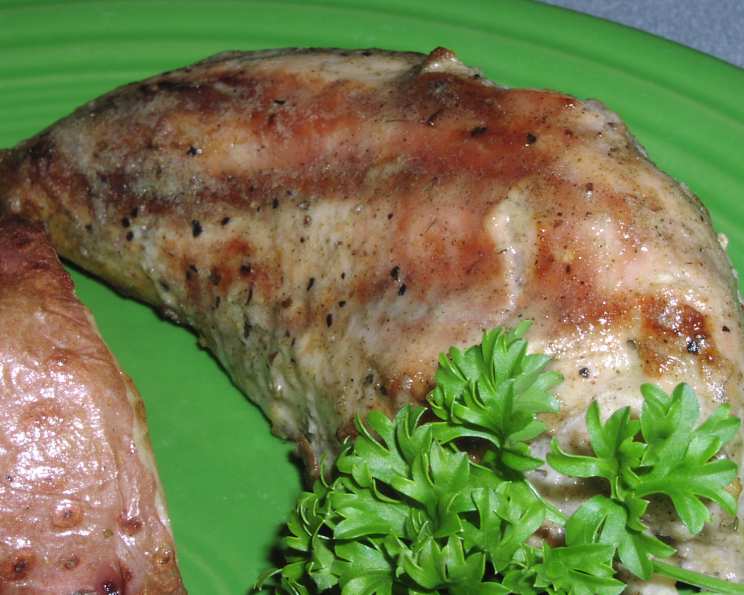
Firehouse Event Poultry Marinade: A Flavor-Packed Secret Weapon
My grandfather, a volunteer firefighter for over 40 years, had a knack for making simple food taste extraordinary. He always said the best meals were the ones shared with the crew after a long day. While he had many staple recipes, there was one marinade that was legendary amongst the local firehouses – a tangy, savory blend that transformed ordinary chicken into something truly unforgettable. This recipe, which I’ve tweaked over the years to match my own palate, is a tribute to those simple, flavorful meals and the camaraderie they fostered. It’s robust, versatile, and guaranteed to be a crowd-pleaser.
Recipe Overview
- Prep Time: 10 minutes
- Cook Time: Variable, depending on cooking method and cut of poultry
- Total Time: 10 minutes (plus marinating time)
- Servings: Varies depending on the amount of poultry marinated. Recipe yields approximately 3 cups of marinade.
- Yield: 3 cups marinade
- Dietary Type: Dairy-Free
Ingredients
- 1 cup vegetable oil
- 1 large egg
- 1 cup cider vinegar
- 1 tablespoon kosher salt (adjust to taste)
- 1 tablespoon poultry seasoning
- 1 teaspoon fresh ground black pepper
Equipment Needed
- Medium nonreactive bowl
- Electric mixer
- Whisk (optional, for finishing)
- Airtight container for storing marinade
Instructions
- Start by taking the chill off the egg. Place the uncracked egg in a bowl of warm water for approximately 5 minutes. This helps it emulsify properly with the oil and vinegar.
- Crack the egg into the medium nonreactive bowl. This is important because the cider vinegar can react with some metals, altering the flavor.
- Using an electric mixer set to low speed, gently beat the egg until it’s lightly frothy. This usually takes just a few seconds.
- Now comes the critical part: slowly, very slowly, begin to drizzle in the vegetable oil while continuously beating the egg. The key is to add the oil in a thin, steady stream, allowing the egg to emulsify and create a stable base. This process should take about 1 to 2 minutes. The mixture will gradually thicken and resemble a thin mayonnaise. If you add the oil too quickly, the emulsion may break, resulting in a separated, oily mess. If that happens, you can try starting over with a fresh egg and very slowly incorporating the broken mixture.
- Once all the oil has been incorporated and the mixture is smooth and emulsified, gradually beat in the cider vinegar. The mixture may thin out again, but it should remain cohesive.
- Add the kosher salt, poultry seasoning, and fresh ground black pepper. Continue beating until all the ingredients are fully incorporated and the mixture is smooth and uniform. Taste and adjust seasoning if needed, keeping in mind that the flavors will intensify as the poultry marinates.
- Use half of the marinade to coat your poultry. Ensure all surfaces are well covered. Place the poultry in a resealable bag or nonreactive container and refrigerate for at least 4 hours, or preferably overnight, allowing the flavors to penetrate deeply.
- Cover and refrigerate the remaining marinade to use as a baste while grilling or baking. It’s crucial to remember: do NOT reuse the marinade that has come into contact with raw poultry. That is a major food safety hazard. The reserved, clean marinade is safe to use as a baste during cooking.
- After removing the chicken from the marinade, discard the used marinade immediately. Never use this portion as a basting sauce due to the risk of cross-contamination.
- This recipe can easily be doubled or tripled for larger gatherings. Just be sure to adjust the mixing time accordingly to ensure proper emulsification.
Expert Tips & Tricks
- Emulsification is Key: The success of this marinade relies on creating a stable emulsion. Adding the oil extremely slowly is paramount. If the mixture separates, don’t panic! Chill the mixture for about 15 minutes, then try whisking in a tablespoon of Dijon mustard. The mustard can act as an emulsifier and help bring the mixture back together.
- Don’t Over-Marinate: While a good marinade is essential, too much time can actually make the poultry mushy. Overnight is ideal, but avoid marinating for more than 24 hours. The cider vinegar can start to break down the proteins if left for too long.
- Adjust the Salt: The original recipe can be quite salty. Taste the marinade after mixing and adjust the kosher salt to your preference. Remember, you can always add more, but you can’t take it away.
- Spice it Up: For a touch of heat, add a pinch of red pepper flakes or a dash of your favorite hot sauce to the marinade.
Serving & Storage Suggestions
Serve the marinated poultry grilled, baked, or pan-fried. It pairs beautifully with roasted vegetables, salads, or your favorite side dishes. The reserved marinade, used as a basting sauce, will caramelize beautifully during cooking, creating a delicious glaze.
The unused marinade can be stored in an airtight container in the refrigerator for up to 3 days. Because it contains raw egg, it’s crucial to use it within this timeframe. I do not recommend freezing this marinade, as the emulsion may break upon thawing.
Nutritional Information
| Nutrient | Amount per Serving (estimated) | % Daily Value* |
|---|---|---|
| Calories | 700 kcal | 35% |
| Total Fat | 75g | 115% |
| Saturated Fat | 10g | 50% |
| Cholesterol | 70mg | 23% |
| Sodium | 2350mg | 98% |
| Total Carbohydrate | 2g | 1% |
| Dietary Fiber | 0g | 0% |
| Sugars | 1g | 2% |
| Protein | 2g | 4% |
*Percent Daily Values are based on a 2,000 calorie diet. Your daily values may be higher or lower depending on your calorie needs.
Variations & Substitutions
- Herb Garden Twist: Experiment with different herbs to create unique flavor profiles. Rosemary, thyme, and sage are all excellent additions or replacements for the poultry seasoning.
- Citrus Burst: Add the zest and juice of one lemon or orange to the marinade for a brighter, more vibrant flavor.
- Sweet & Savory: A tablespoon of honey or maple syrup can add a touch of sweetness that complements the savory notes of the marinade.
- Spice It Up More: Add 1/2 teaspoon of cayenne pepper for significant heat.
- Lower Sodium: Use a low-sodium poultry seasoning and reduce the amount of kosher salt to taste.
FAQs (Frequently Asked Questions)
Q: Why is it important to use a nonreactive bowl?
A: The acidity of the cider vinegar can react with certain metals, like aluminum, potentially altering the flavor of the marinade and discoloring the bowl. Glass or stainless steel bowls are ideal.
Q: Can I use dried herbs instead of fresh?
A: While fresh herbs offer a brighter flavor, dried herbs can be substituted. Use about 1 teaspoon of dried herbs for every tablespoon of fresh herbs called for in the recipe.
Q: What if my marinade separates?
A: Separation indicates the emulsion has broken. Try chilling the marinade for 15 minutes, then whisking in a tablespoon of Dijon mustard. If that doesn’t work, start with a fresh egg and very slowly incorporate the broken mixture.
Q: How long should I marinate the poultry?
A: At least 4 hours is recommended, but overnight is ideal for maximum flavor penetration. Avoid marinating for longer than 24 hours, as the acidity can make the poultry mushy.
Q: Can I use this marinade on other meats besides poultry?
A: Absolutely! This marinade works well with pork, especially pork chops or tenderloin. It can also be used on firm-fleshed fish like swordfish or tuna, but reduce the marinating time to 30 minutes to an hour to prevent the fish from becoming too soft.
Final Thoughts
This Firehouse Event Poultry Marinade is more than just a recipe; it’s a flavor memory, a connection to simpler times, and a tribute to the power of good food shared with good company. Don’t be afraid to experiment with different herbs and spices to create your own signature version. I encourage you to try it, share it with your friends and family, and let me know what you think. Serve it with a simple green salad and some crusty bread for a complete and satisfying meal. Cheers to good food and good company!