
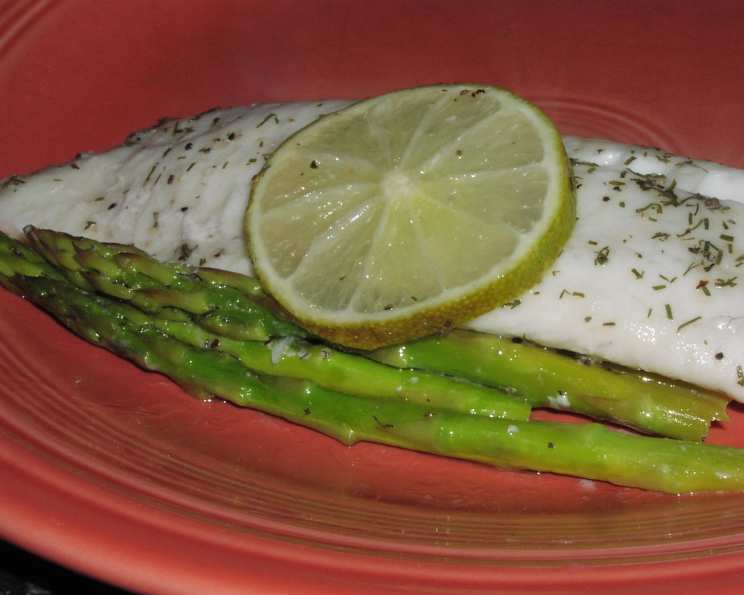
Fish En Papillote: A Culinary Love Letter
I’ll never forget the first time I made fish en papillote. It was a tiny Parisian apartment, the air thick with the scent of shallots and thyme. My then-boyfriend, now husband, had bought the most beautiful piece of sea bass from the market, and we were determined to recreate a dish we’d had at a charming little bistro. The anticipation as we carefully unwrapped those parchment packets, the burst of fragrant steam, the perfectly cooked fish…it was pure romance on a plate. Every time I make it, I’m transported back to that tiny kitchen, full of youthful hope and delicious possibilities.
Recipe Overview
- Prep Time: 15 minutes
- Cook Time: 10-12 minutes
- Total Time: 25-27 minutes
- Servings: 2
- Dietary Type: Pescatarian, Gluten-Free, Dairy-Optional
Ingredients
- 2 – 12-inch squares parchment paper
- Extra virgin olive oil or olive oil flavored cooking spray
- 8 ounces white fish fillets, 4 ounces each (such as sole or snapper)
- Kosher salt, to taste
- Fresh ground black pepper, to taste
- 2 ounces dry white wine
- 2 lemon slices
- Zest of one lemon
- 1 tablespoon butter (optional)
- 2 sprigs dill or ½ teaspoon dried dill
- 16 thin asparagus spears
Equipment Needed
- Baking sheet
- Sharp knife
- Cutting board
- Vegetable peeler (optional, for asparagus)
Instructions
-
Preheat your oven to 375 degrees F (190 degrees C).
-
Fold each square of parchment paper in half. Cut out a heart shape. If you’re feeling less romantic, squares or rectangles work perfectly well too!
-
Open each heart and brush lightly with extra virgin olive oil or spray with olive oil spray. This prevents the fish from sticking and adds a touch of richness.
-
Sprinkle both sides of the fish with kosher salt and fresh ground black pepper. Set aside.
-
Wash the asparagus. Snap off and discard the woody ends. A good trick is to hold the asparagus spear at both ends and gently bend it; it will naturally break at the point where it becomes tough.
-
Lightly spray the asparagus with olive oil. In a small bowl, toss with a pinch of kosher salt, pepper, and the lemon zest. This infuses the asparagus with bright, citrusy flavor.
-
Divide the asparagus in half. Place half of the asparagus on each of the parchment hearts, just to one side of the center of each heart. Creating a little bed of asparagus helps to elevate the fish and allow for even cooking.
-
Place one piece of fish on top of each bundle of asparagus.
-
Top each piece of fish with one sprig of fresh dill (or half of the dried dill), a slice of lemon, and either ½ tablespoon of butter (if using) or a light drizzle of olive oil. The lemon and dill complement the delicate flavor of the fish beautifully.
-
Splash half of the white wine on top of each piece of fish. The wine adds moisture and creates a flavorful steam during cooking.
-
Now, to wrap up these packets: fold the top of the heart over the fish and asparagus.
-
At the top end of the heart, away from the point, fold up both edges (top and bottom) and crease well. This creates a tight seal to trap the steam inside.
-
Move down about ½ inch and fold up the edges again, overlapping your first fold. Continue folding and creasing all around the parchment heart until you get to the point.
-
Fold and crease the point twice. This ensures that no steam escapes from the bottom of the packet.
-
Place the packets side by side on a baking sheet, making sure the packets aren’t touching.
-
Bake in the center of the oven until the packets are well puffed and the fish is cooked, about 10-12 minutes. The parchment paper will puff up dramatically as the steam builds inside. To check for doneness, gently pierce the thickest part of the fish with a fork. If it flakes easily, it’s ready. Be careful of the hot steam when opening.
-
To serve, put a packet on your plate, and carefully slice the packet open with a sharp knife. The steam will be very hot, so use caution. The aroma that releases is part of the experience!
Expert Tips & Tricks
- For a richer flavor, use a dry sherry instead of white wine.
- Experiment with different herbs! Thyme, rosemary, or tarragon all work well with white fish.
- If you don’t have parchment paper, you can use aluminum foil, but be sure to grease it well to prevent sticking. However, parchment paper is the preferred option as it imparts no metallic taste to the food.
- For a vegetarian option, substitute the fish with firm tofu or portobello mushrooms.
- Don’t overcrowd the baking sheet. If necessary, bake in two batches to ensure even cooking.
- Make sure the folds of the parchment paper are tight to prevent steam from escaping during cooking.
Serving & Storage Suggestions
Serve the fish en papillote immediately after cooking. The presentation is part of the appeal, so let your guests experience the dramatic unveiling of the packet. Serve with a side of quinoa, couscous, or a simple green salad.
Leftovers can be stored in an airtight container in the refrigerator for up to 2 days. To reheat, gently warm in a skillet over low heat or microwave briefly. Reheating in the oven is not recommended as it can dry out the fish. Freezing is also not recommended.
Nutritional Information
| Nutrient | Amount per Serving | % Daily Value |
|---|---|---|
| Calories | 250 kcal | 13% |
| Total Fat | 8g | 10% |
| Saturated Fat | 2g | 10% |
| Cholesterol | 75mg | 25% |
| Sodium | 200mg | 9% |
| Total Carbohydrate | 7g | 2% |
| Dietary Fiber | 3g | 12% |
| Sugars | 3g | – |
| Protein | 30g | 60% |
Note: Nutritional information is an estimate and may vary based on specific ingredients and portion sizes.
Variations & Substitutions
- Spice it up: Add a pinch of red pepper flakes to the asparagus mixture for a little heat.
- Mediterranean twist: Use sun-dried tomatoes, olives, and feta cheese instead of dill and lemon.
- Asian-inspired: Use ginger, garlic, and soy sauce for a flavorful marinade. Add shiitake mushrooms and bok choy to the packet.
- Seasonal Vegetables: Substitute asparagus with other seasonal vegetables like zucchini, bell peppers, or green beans.
FAQs (Frequently Asked Questions)
Q: Can I use frozen fish for this recipe?
A: Yes, but make sure to thaw it completely before cooking. Pat it dry with paper towels to remove excess moisture.
Q: Can I prepare the packets ahead of time?
A: Yes, you can assemble the packets up to a few hours in advance. Store them in the refrigerator until ready to bake.
Q: What if my parchment paper tears while I’m folding it?
A: Don’t worry, just use another sheet of parchment paper to create a double layer.
Q: How do I know when the fish is cooked through?
A: The fish should be opaque and flake easily with a fork. The internal temperature should reach 145°F (63°C).
Q: Can I use aluminum foil instead of parchment paper?
A: Yes, but parchment paper is preferred because it creates a better seal and prevents the fish from sticking. If using foil, grease it well.
Final Thoughts
Fish en papillote is more than just a recipe; it’s an experience. It’s a celebration of fresh ingredients, simple techniques, and the joy of sharing a delicious meal. Don’t be intimidated by the fancy name – this dish is surprisingly easy to make and endlessly adaptable. So go ahead, gather your ingredients, embrace the process, and create your own culinary love letter. And please, share your variations and experiences – I’d love to hear how you made it your own! This dish pairs beautifully with a crisp Sauvignon Blanc or a light-bodied Pinot Grigio. Enjoy!