
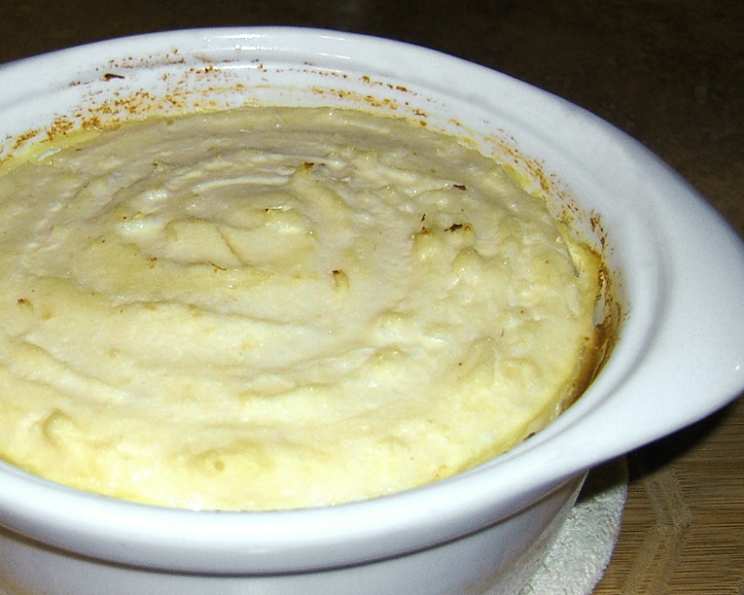
Fiskegrot: A Taste of Norwegian Heritage
My grandmother, a fiercely proud Norwegian immigrant, always had a pot of something simmering on the stove. While her lefse was legendary, it was her fiskegrot, or fish pudding, that truly transported me. I remember the comforting aroma filling her small kitchen, a blend of the sea and subtle spices, as she carefully sliced a piece for me, urging me to eat with a twinkle in her eye. Each bite was a connection to her homeland, a taste of her unwavering spirit, and a reminder of the simple pleasures in life.
Recipe Overview
- Prep Time: 20 minutes
- Cook Time: 1 hour
- Total Time: 1 hour 20 minutes
- Servings: 6-8
- Yield: 1 loaf
- Dietary Type: Not Gluten-Free
Ingredients
- 2 1/2 lbs ling cod fish fillets, skinless, boneless, or 2 1/2 lbs any other fresh cod
- 2 tablespoons potato starch
- 2 teaspoons salt
- White pepper, to taste
- 1 dash ground nutmeg
- 2 eggs
- 1/3 cup butter, room temperature
- 1/2 cup warm cream (warmed in a microwave)
- 1 cup warm milk (warmed in a microwave)
Equipment Needed
- Food Processor
- Electric Mixer
- Buttered Loaf Pan
- Large Pan
Instructions
-
Begin by preparing the fish. Place the ling cod fillets (or your chosen cod) into a food processor. Process the fish until it is completely smooth. Depending on the size of your food processor, you may need to do this in two separate batches to avoid overcrowding.
-
Transfer the pureed fish to the bowl of your electric mixer. This will allow for easier and more consistent incorporation of the remaining ingredients.
-
Add the potato starch, salt, white pepper to taste, and ground nutmeg to the bowl. Begin mixing on low speed.
-
Introduce the eggs one at a time, beating thoroughly after each addition. This ensures that each egg is fully incorporated into the fish mixture.
-
Add the softened butter to the bowl and continue to mix until it is well combined. The butter should be at room temperature to ensure even distribution.
-
Gradually add the warm cream and warm milk, beating until the mixture is light and fluffy. The warmth of the cream and milk helps to create a smooth and homogenous batter.
-
Prepare a loaf pan by generously buttering it. This will prevent the fiskegrot from sticking and ensure easy removal after baking.
-
Pour the prepared fish mixture into the buttered loaf pan, spreading it evenly.
-
Cover the loaf pan tightly with foil. This will help to trap steam and prevent the fiskegrot from drying out during baking.
-
Place the loaf pan inside a larger pan filled with hot water. The water should come approximately 2 inches up the side of the loaf pan. This creates a water bath (bain-marie) that promotes even cooking and prevents the fiskegrot from curdling.
-
Bake in a preheated oven at 350 degrees Fahrenheit (175 degrees Celsius) for approximately 1 hour. The fiskegrot is done when it is firm to the touch and a knife inserted into the center comes out clean.
-
Remove the loaf pan from the water bath and let it cool slightly before slicing and serving.
Expert Tips & Tricks
- For an even smoother texture, pass the pureed fish mixture through a fine-mesh sieve before adding the other ingredients. This removes any small bones or fibers that may have been missed during processing.
- Don’t overmix the batter after adding the cream and milk. Overmixing can develop the gluten in the potato starch, resulting in a tougher texture.
- If your oven tends to run hot, reduce the baking temperature by 25 degrees Fahrenheit (15 degrees Celsius) and check the fiskegrot for doneness a few minutes earlier.
- To ensure the fiskegrot is cooked through, use an instant-read thermometer to check the internal temperature. It should reach 160 degrees Fahrenheit (71 degrees Celsius).
- For a richer flavor, try using brown butter instead of regular butter. Simply melt the butter in a saucepan over medium heat, cooking until the milk solids turn golden brown and emit a nutty aroma. Let it cool slightly before adding it to the fish mixture.
Serving & Storage Suggestions
Slice the fiskegrot and serve it warm with a generous drizzle of cream sauce. Alternatively, top it with fried onions for a savory and satisfying meal. Leftover fiskegrot can be stored in an airtight container in the refrigerator for up to 3 days. To reheat, gently warm it in a microwave or oven. You can also freeze the sliced fiskegrot for longer storage. Wrap each slice individually in plastic wrap and then place them in a freezer-safe bag. Frozen fiskegrot can be stored for up to 2 months. Thaw overnight in the refrigerator before reheating.
Nutritional Information
| Nutrient | Amount per Serving | % Daily Value |
|---|---|---|
| Calories | 366 kcal | N/A |
| Calories from Fat | 187 kcal | N/A |
| Total Fat | 20.8 g | 32% |
| Saturated Fat | 12 g | 60% |
| Cholesterol | 206.9 mg | 68% |
| Sodium | 1001.9 mg | 41% |
| Total Carbohydrate | 5.4 g | 1% |
| Dietary Fiber | 0.2 g | 0% |
| Sugars | 0.3 g | 1% |
| Protein | 38 g | 75% |
Nutritional information is an estimate and can vary based on specific ingredients and portion sizes.
Variations & Substitutions
- Spice it up: Add a pinch of cayenne pepper or a dash of hot sauce to the fish mixture for a spicy kick.
- Herbal infusion: Incorporate fresh dill, parsley, or chives into the batter for a more aromatic and flavorful fiskegrot.
- Seafood medley: Use a combination of different types of fish, such as salmon, haddock, or flounder, for a more complex flavor profile.
- Gluten-free option: While this recipe relies on potato starch, ensure all other ingredients used are gluten-free if needed. Serve with gluten-free crackers or bread if desired.
- Cream Sauce Alternatives: Experiment with different bases for your cream sauce. Lemon and dill, horseradish, or even a touch of smoked paprika can add exciting twists.
FAQs (Frequently Asked Questions)
Q: Can I use frozen fish for this recipe?
A: Yes, but make sure to thaw the fish completely and pat it dry before processing. Excess moisture can affect the texture of the fiskegrot.
Q: Can I make this ahead of time?
A: Yes, you can prepare the fiskegrot a day in advance and store it in the refrigerator, covered tightly with foil. Add a few extra minutes to the baking time to ensure it is heated through.
Q: How do I know when the fiskegrot is done?
A: The fiskegrot is done when it is firm to the touch and a knife inserted into the center comes out clean. An instant-read thermometer should register 160 degrees Fahrenheit (71 degrees Celsius).
Q: What if I don’t have a food processor?
A: You can finely mince the fish by hand, but it will take more time and effort. Ensure the fish is as finely chopped as possible for a smooth texture.
Q: Can I add vegetables to this recipe?
A: Yes, you can add finely chopped vegetables such as carrots, celery, or onions to the fish mixture. However, be sure to cook the vegetables slightly before adding them to prevent them from being too crunchy in the finished dish.
Final Thoughts
Fiskegrot is more than just a dish; it’s a connection to the past, a celebration of simple ingredients, and a testament to the enduring power of family traditions. I encourage you to try this recipe and experience the warmth and comfort of this classic Norwegian staple. Don’t be afraid to experiment with different variations and substitutions to create your own unique version. And most importantly, share it with your loved ones and create new memories around the table. Vel bekomme! (Bon appétit!)