
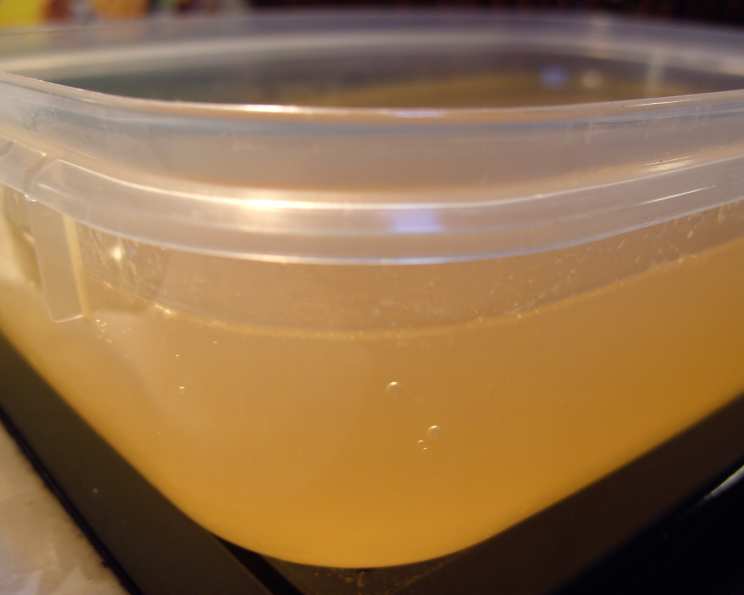
The Soul of the Sea: Crafting Exquisite Homemade Fish Stock
The scent always takes me back. I remember being a young apprentice, hovering near the stockpot in the corner of the kitchen. The air, thick with the briny aroma of simmering fish bones and fragrant vegetables, promised culinary magic. Back then, making fish stock felt like an arcane art, a secret whispered only to the most dedicated chefs. Now, with years of experience under my belt, I’m ready to demystify the process and show you how to create this essential building block of flavor in your own kitchen.
Recipe Overview
- Prep Time: 15 minutes
- Cook Time: 45 minutes
- Total Time: 1 hour
- Yields: 1 litre
- Dietary Type: Gluten-Free, Dairy-Free
Ingredients
- 1 onion
- 2 carrots
- 1 celery stalk
- 1 garlic clove, crushed
- 1 kg fish leftovers (skins, heads, tails, whole fish, shells of lobster, crayfish, prawns, and mussels)
- 1 bunch parsley, roughly chopped
- 2 bay leaves
- 1 sprig thyme
- 6 peppercorns, crushed
- 1.2 litres water
Equipment Needed
- Large Stockpot
- Fine-mesh sieve
- Clean pan
- Measuring jug
Instructions
-
Begin by preparing your vegetables. Roughly chop the onion, carrots, and celery into evenly sized pieces. Precision isn’t crucial here; the goal is to facilitate even flavor extraction during simmering.
-
In a large stockpot, combine the chopped vegetables with the fish trimmings. Remember, the quality of your stock directly reflects the quality of your ingredients. Use fresh, clean fish scraps for the best results.
-
Add 1.2 litres of water to the pot, ensuring the fish trimmings and vegetables are fully submerged.
-
Wash the parsley, thyme, and bay leaves thoroughly. Then, add them to the pot along with the crushed garlic clove and crushed peppercorns. These aromatics will infuse the stock with depth and complexity.
-
Bring the stockpot to a gentle boil over low heat. This gradual heating process allows the flavors to meld slowly and evenly.
-
Once boiling, reduce the heat to a simmer and cook for 30 minutes. During this time, skim off any scum or impurities that rise to the surface using a spoon. This step is essential for a clear and flavorful stock. It is important to only simmer for 30 minutes. Any longer and it may become bitter.
-
After 30 minutes of simmering, strain the stock through a fine-mesh sieve lined with cheesecloth, if available. This will remove any solids, bones, or scales, resulting in a smooth, clear liquid. Strain the stock a few times to ensure any small particles are removed.
-
Return the strained stock to a clean pan.
-
Bring the stock to a boil and then reduce the heat and simmer for another 10-15 minutes. This step helps to reduce the stock slightly, concentrating the flavors and creating a more intense, robust base.
-
Cool the stock completely before storing.
-
Once cooled, portion the stock into smaller containers or freezer bags for easy use.
Expert Tips & Tricks
- Don’t overcook: Simmering for too long can result in a bitter stock. Stick to the recommended time frame for the best flavor.
- Use the right scraps: Avoid using oily fish like salmon or mackerel, as they can make the stock greasy. White fish bones and shellfish shells are ideal.
- Skim, skim, skim: Regularly skimming the stock during simmering is crucial for clarity and flavor.
- Freeze in ice cube trays: For single-serving portions, freeze the stock in ice cube trays and then transfer the cubes to a freezer bag.
- Add a touch of acid: A splash of white wine vinegar or lemon juice can brighten the flavor of the stock. Add this during the last 10 minutes of simmering.
Serving & Storage Suggestions
This homemade fish stock is a versatile ingredient that can be used in a variety of dishes, from soups and stews to sauces and risottos. It adds depth and complexity to any recipe that calls for liquid.
- Refrigerate: Store cooled stock in an airtight container in the refrigerator for up to 3 days.
- Freeze: For longer storage, freeze the stock in freezer-safe containers or bags for up to 3 months.
- Reheating: Reheat frozen stock in a saucepan over medium heat until thawed and simmering.
Nutritional Information
| Nutrient | Amount per Serving | % Daily Value |
|---|---|---|
| Calories | 110.4 kcal | N/A |
| Fat | 0.6 g | 0% |
| Saturated Fat | 0.1 g | 0% |
| Cholesterol | 0 mg | 0% |
| Sodium | 126.8 mg | 5% |
| Carbohydrate | 25.2 g | 8% |
| Fiber | 6.5 g | 26% |
| Sugars | 11.3 g | N/A |
| Protein | 3.2 g | 6% |
Variations & Substitutions
- Vegetarian Fish Stock: For a vegetarian option, use seaweed and vegetable scraps (such as mushroom stems and onion peels) instead of fish trimmings.
- Spicy Fish Stock: Add a chili pepper or a few slices of ginger to the stockpot for a spicy kick.
- Herb Variations: Experiment with different herbs, such as tarragon, chives, or dill, to customize the flavor profile of your stock.
- Wine Addition: Add a cup of dry white wine during the simmering process for added depth and complexity.
FAQs (Frequently Asked Questions)
Q: Can I use frozen fish scraps to make fish stock?
A: Yes, you can use frozen fish scraps, but make sure they are properly thawed before adding them to the stockpot.
Q: How do I know if my fish stock has gone bad?
A: If the stock has a sour or unpleasant smell, or if it shows signs of mold growth, it should be discarded.
Q: Can I add salt to my fish stock?
A: It’s best to avoid adding salt during the stock-making process, as it can concentrate as the stock reduces. Season to taste when using the stock in your recipes.
Q: What if I don’t have all the vegetables listed in the recipe?
A: Feel free to adapt the vegetable list based on what you have on hand. Onions, carrots, and celery are the classic base, but you can also add other vegetables like leeks or fennel.
Q: How can I make a darker, richer fish stock?
A: Roasting the fish bones and vegetables in the oven before simmering them in the stockpot can help to create a darker, richer stock.
Final Thoughts
Crafting homemade fish stock is a rewarding culinary endeavor that elevates your dishes to new heights. Don’t be intimidated by the process – with a little patience and attention to detail, you can create a flavorful and versatile ingredient that will transform your cooking. So, gather your fish scraps, chop your vegetables, and embark on this flavorful adventure. I encourage you to experiment with different variations, share your feedback, and discover the magic of homemade fish stock! Pair it with a delicate seafood risotto, a classic bouillabaisse, or a simple fish stew for an unforgettable culinary experience.