
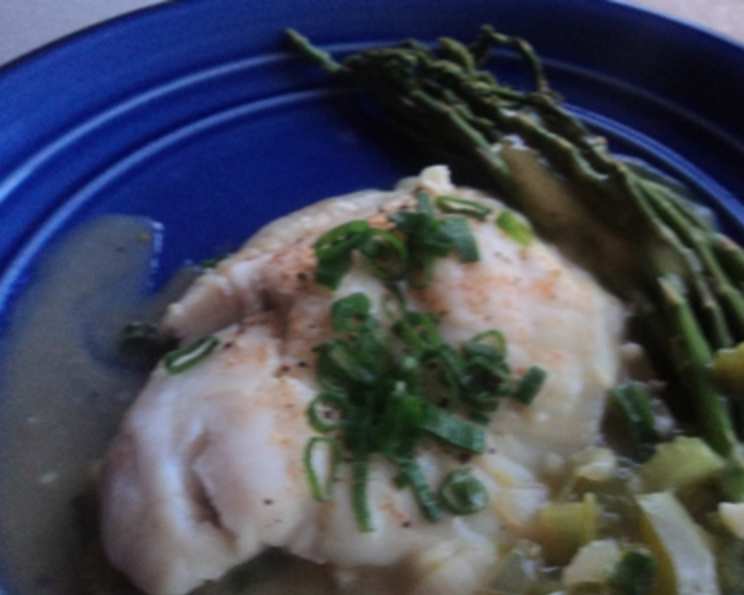
Fish Two O’Clock Bayou: A Culinary Journey to Louisiana
The air hung thick with humidity as I watched my grandmother stir a simmering pot on her stove. The scent – a captivating blend of spices, seafood, and earthy vegetables – transported me straight to the heart of Louisiana. She called it “Fish Two O’Clock Bayou,” a humble dish born from the bayou’s bounty. Years later, that aroma remains a comforting memory, a reminder of family, tradition, and the simple pleasures of good food. This dish is more than just a recipe; it’s a taste of home.
Recipe Overview
- Prep Time: 30 minutes
- Cook Time: 15 minutes
- Total Time: 45 minutes
- Servings: 2-3
- Dietary Type: Pescatarian
Ingredients
- ½ teaspoon salt
- ⅜ teaspoon cayenne pepper
- ¼ teaspoon black pepper
- 1 lb white fish fillet, cut into about 4 pieces (cod, tilapia, or snapper work well)
- 4 tablespoons unsalted butter
- ¼ cup finely chopped onion
- ¼ cup finely chopped celery
- ¼ cup finely chopped green bell pepper
- ¾ cup hot seafood stock (chicken or vegetable stock can be substituted if needed)
- 1 tablespoon flour
- ½ cup finely chopped green onion, tops only
Equipment Needed
- Large skillet
- Measuring spoons and cups
Instructions
-
First, create your spice blend. In a small bowl, thoroughly combine the salt, cayenne pepper, and black pepper. This is your Bayou spice mix!
-
Prepare the fish by generously sprinkling a rounded ½ teaspoon of the spice mixture over both sides of the white fish fillets. Gently pat the spices into the fish. Allow the fish to stand and marinate for approximately 30 minutes. This allows the flavors to penetrate the fish, resulting in a more flavorful dish. Remember to reserve the remaining spice mixture for later.
-
Now, prepare the vegetables. Finely chop the onion, celery, and green bell pepper. Mince them finely, ensuring they cook evenly and meld well together in the sauce. Also finely chop the green onion and set aside.
-
Heat the unsalted butter in a large skillet over high heat. Allow the butter to melt until it is about half melted and just beginning to sizzle.
-
Add the chopped onion, celery, and green bell pepper to the skillet along with the remaining salt and pepper mixture. Cook for approximately 2 minutes, stirring occasionally to prevent burning. You want the vegetables to soften slightly and release their aromatic flavors.
-
Sprinkle the flour over the vegetables in the skillet. Pour in ½ cup of the hot seafood stock and stir vigorously until the flour is completely incorporated and there are no lumps.
-
Reduce the heat to low and simmer, stirring frequently, until the liquid has almost completely evaporated. This step is crucial for thickening the sauce and developing its rich flavor. Be patient and stir often to prevent sticking.
-
Stir in the remaining ¼ cup of hot seafood stock. Bring the sauce back to a gentle simmer.
-
Carefully add the fish fillets to the skillet in a single layer. Ensure the fish is submerged in the sauce as much as possible. Sprinkle the finely chopped green onion evenly over the top of the fish.
-
Cover the skillet tightly with a lid. Cook just until the fish is cooked through and flakes easily with a fork, about 5 minutes. The exact cooking time will depend on the thickness of the fish fillets. Avoid overcooking, as this will result in dry, tough fish. Check for doneness by inserting a fork into the thickest part of a fillet and gently twisting.
-
Serve immediately.
Expert Tips & Tricks
- Spice Level: Adjust the amount of cayenne pepper to control the heat level. For a milder dish, reduce or omit the cayenne. For a spicier dish, add a pinch more.
- Fish Selection: While any white fish works, try using a firmer fish like cod or snapper for a more substantial texture. Softer fish like tilapia will cook more quickly.
- Stock Quality: The flavor of the seafood stock significantly impacts the final dish. Use high-quality, homemade stock if possible. If using store-bought, opt for a low-sodium variety to control the saltiness.
- Make-Ahead Prep: The vegetables can be chopped ahead of time and stored in the refrigerator until ready to cook. The spice blend can also be prepared in advance. However, it is best to cook the fish fresh for optimal flavor and texture.
- Thickening the Sauce: If the sauce is too thin, whisk together 1 teaspoon of cornstarch with 1 tablespoon of cold water and stir it into the sauce during the last minute of cooking.
- Don’t Overcrowd the Pan: If you are making a larger batch, it is best to cook the fish in batches to avoid overcrowding the pan, which can lower the temperature and result in unevenly cooked fish.
Serving & Storage Suggestions
Serve Fish Two O’Clock Bayou immediately while it’s hot and the sauce is flavorful. Traditionally, it is served over cooked white rice to soak up all the delicious sauce. It also pairs well with grits, mashed potatoes, or even couscous. A side of steamed green beans or sauteed spinach makes a wonderful accompaniment.
Leftovers can be stored in an airtight container in the refrigerator for up to 2 days. To reheat, gently warm the fish in a skillet over low heat, adding a splash of seafood stock or water if needed to prevent drying. Microwaving is not recommended as it can make the fish rubbery. Freezing is not recommended as this alters the texture of the fish.
Nutritional Information
| Nutrient | Amount per Serving | % Daily Value |
|---|---|---|
| Calories | 446 kcal | N/A |
| Total Fat | 26.2 g | 40% |
| Saturated Fat | 15.2 g | 76% |
| Cholesterol | 213.4 mg | 71% |
| Sodium | 763.9 mg | 31% |
| Total Carbohydrate | 8.3 g | 2% |
| Dietary Fiber | 1.8 g | 7% |
| Sugars | 2.2 g | N/A |
| Protein | 43.3 g | 86% |
Note: Nutritional information is an estimate and may vary based on specific ingredients and portion sizes.
Variations & Substitutions
- Spicy Bayou: For an extra kick, add a pinch of red pepper flakes to the spice blend or a dash of your favorite hot sauce to the sauce.
- Lemon-Herb Bayou: Add a squeeze of fresh lemon juice and a sprinkle of fresh herbs like parsley or thyme during the last minute of cooking for a brighter, more aromatic flavor.
- Coconut Milk Bayou: Substitute the seafood stock with coconut milk for a creamier, richer sauce with a hint of sweetness.
- Vegetarian Bayou: Although traditionally made with fish, you can adapt this recipe for a vegetarian meal. Substitute the fish with firm tofu, tempeh, or heart of palm.
- Shrimp Bayou: Substitute all or part of the white fish with shrimp.
FAQs (Frequently Asked Questions)
Q: Can I use frozen fish for this recipe?
A: While fresh fish is always preferred, you can use frozen fish. Be sure to thaw it completely before cooking and pat it dry with paper towels.
Q: What is seafood stock?
A: Seafood stock is a flavorful broth made from simmering fish bones, shrimp shells, and other seafood scraps with vegetables and herbs. You can find it at most grocery stores or make your own.
Q: How do I know when the fish is cooked through?
A: The fish is cooked through when it flakes easily with a fork and is no longer translucent in the center. Avoid overcooking, as this will make the fish dry and tough.
Q: Can I add other vegetables to this dish?
A: Absolutely! Feel free to add other vegetables such as mushrooms, tomatoes, or okra to the skillet along with the onion, celery, and bell pepper.
Q: What is the best way to serve Fish Two O’Clock Bayou?
A: Fish Two O’Clock Bayou is traditionally served over cooked rice, but it also pairs well with grits, mashed potatoes, or even couscous.
Final Thoughts
Fish Two O’Clock Bayou is a simple yet satisfying dish that’s perfect for a weeknight meal or a special occasion. It’s a taste of Louisiana that you can create in your own kitchen, a celebration of fresh ingredients and bold flavors. So, gather your ingredients, put on some Cajun music, and let the aroma of the bayou fill your home. I encourage you to try this recipe and share your own variations and experiences. Bon appétit!